


Tariff talks between the US and China have stalled regarding the agriculture buy that China is expected to make in efforts to restart the negotiations. After a wild year of back and forth, some movement was expected after the tariff increase of October was indefinitely postponed, but all that action has taken a toll on the container numbers from ports across the country in October. The Port of Virginia has even felt the pang of a slight recession in volumes as October numbers are down 1.3% though the year is up 5% over 2018. The reduction is expected to be just the first issue caused by the trade negotiations. As Chinese exports to the US fell 40% and container volumes received at ocean ports were down more than 23%. Los Angeles itself saw a massive reduction of 19% in volumes this October as more cargo was front loaded at the start of the trade talks to avoid inventory disruptions heading into the critical holiday shopping season. Across the board, the total cargo volumes for 2019 are up around 2% though October has remained mostly flat. We’re interested in watching this trend as it unfolds through the new year to determine if this is a fluke of issues coming together at an inopportune time or a more insidious sign that a global recession is coming soon.
An update on China 301 duties
We have written before about state of negotiations between the US and China regarding the ever escalating tariffs developing. While there was good news about a so-called “Phase 1” deal that would offer importers and exporters from both countries relief from the additional duties impacting goods flowing between the two nations. However the escalations show no actual sign of stopping as every update swings the pendulum from progress to regress and back. We’re still concerned about the impending tariffs due on December 15, 2019 on the second have of list 4 tariffs. With the cancellation by Chile’s government of the APEC summit talks continue between the United States and China on reaching a “Phase 1” deal between the two countries but there is no date on the horizon when the parties will meet. Until there is a final confirmation that our nations have come to an agreement we’re still proceeding as though the tariffs due on December 15th will happen as planned, but that’s still long enough away to feasibly expect that there could be a delay coming. The first half of list 4 was started on time September 1, 2019, but the increase in tariffs due on October 1st, moved to October 15th and then postponed indefinitely show that we can’t be sure how this situation will shake out when consumer goods are impacted this December. It’s not going to impact the holiday season but spring sporting goods, personal electronics and other items will see much higher prices if nothing changes the current trajectory of tariffs. Please be advised that the exclusion portal has reopened for items on List 4A until January 30, 2020. Click here to be taken to the portal
More dredging leads Port of Virginia to deepest East Coast port.
A new contract, signed last week with Weeks Marine, marks the start of the new dredging of the Port of Virginia to 56 feet. This will enable the port to service vessels up to 18,000 TEUs, making it the deepest port on the East Coast. The port is currently tied with the ports of Baltimore, Miami and NY for the deepest port at 50 feet, but Charleston will enter the lists when they finish their current dredge (scheduled for 2022-2024) to 52 feet. As vessels continue to grow to massive sizes to carry more and more containers, the Port of Virginia needs to keep improving to remain competitive. It appears to be working as we see, month after month, a record number of containers are serviced even though exports are falling slightly. Imported container shipments continue to rise, leading to more emphasis on sustainable, efficient and cost-effective solutions to moving almost 2 million containers per month. September 2019 saw an increase of 2.6% over September 2018 quantities reaching 1.76 million TEUs in that month period. This project, at a $75 million cost, is expected to be completed in 2024. Though this dredge doesn’t include the dredging of the Elizabeth river or the necessary widening of the Thimble Shoal Channel so that more than one post-Panamax vessel can pass at a time. Those contracts will be awarded at a later date. The $350 million dollar project is expected to take 4 years to complete. By completion, $195.4 million of the project will be paid by Federal grants and allowances made to keep US ports competitive. We’ve been watching our port for many years as they expand to fit the growing demand for logistics services and we’re incredibly excited for these new developments. The more cargo we can move, the faster we can service and the bigger the vessel, means a growing local economy, an increase in jobs both at the port and around the area as workers coming in will need services. These are great steps to cementing our community with careers that have growth potential for decades. If you’re wondering what type of vessel your cargo is traveling on and whether or not it’s included in the post-Panamax vessels of 15,000 TEUs or more, we encourage you to reach out to your Nelson International representative to discuss your logistic plan. We’ll keep reporting on the Port of Virginia and all the ways we benefit from the growth achieved here.

Japan US trade deal struck
On Wednesday, the US and Japan signed a preliminary trade deal to go into effect in January 2020. The deal is welcomed by farmers who have been dealt a harsh blow by the breakdown of negotiations with China, as Japan will decrease tariffs on US beef and pork. Negotiations for a future trade agreement will start four months after this one starts. The agreement offers a respite from the threat of auto tariffs against Japan and locks in tariff-free digital trade between the nations. Farmers have long felt the pinch since China has stalled on buying US soybeans and pork products. However everyone involved understands that this deal isn’t comprehensive enough and will need further negotiations next year. According to the USTR the following products will be primarily impacted: Reduce tariffs on products such as fresh and frozen beef and pork. Provide a country-specific quota for wheat and wheat products. Reduce the mark-up on imported U.S. wheat and barley. Immediately eliminate tariffs for almonds, walnuts, blueberries, cranberries, sweet corn, grain sorghum, broccoli, and more. Provide staged tariff elimination for products such as cheeses, processed pork, poultry, beef offal, ethanol, wine, frozen potatoes, oranges, fresh cherries, egg products, and tomato paste. The digital trade portion contains the following: Prohibitions on imposing customs duties on digital products transmitted electronically such as videos, music, e-books, software, and games. Ensuring non-discriminatory treatment of digital products, including coverage of tax measures. Ensuring barrier-free cross-border data transfers in all sectors. Prohibiting data localization requirements, including for financial service suppliers. Prohibiting arbitrary access to computer source code and algorithms. Ensuring firms’ flexibility to use innovative encryption technology in their products. We’re keeping an eye on these negotiations as they develop and will continue to bring you more information. If your cargo is impacted by this trade agreement, we encourage you to reach out to your Nelson representative to discuss how this can apply.
US / China tariffs de-escalate
There is good news coming in as a de-escalation of tariffs for shippers from China whose merchandise was on one of the first three lists published by the US Trade Representative. As a gesture of goodwill to China for granting the first exemptions from additional duty on sixteen American products the US has pushed back the tariff increase from October 1st until October 15th as the first is a special day for China to celebrate the 70th anniversary of the People’s Republic of China. President Trump still plans to increase the duties from the current 25% to a proposed 30% though both sides seem eager to find a trade balance, hopefully before new increases happen. Alongside the increases coming on October 15, 2019 there are new tariffs coming on the second half of the 4th tranche of tariffs due December 15th. This list was also pushed back, this time to help US consumers make it through the holiday season without serious price increases on consumer goods. The fear of a global recession coming from the two nations spatting about duties has gripped many retail companies. They’ve battled back by front loading cargo for the holidays, hoping to have inventory that will last through the season to keep prices low and merchandise moving. With a Chinese delegation set to come to the US next month for more talks and rumors of an attempted decoupling of trade and national security issues to advance the negotiations, perhaps there cause for optimism. We at Nelson International will keep an eye on these issues and bring you more news as it’s available. We are still waiting for these headlines to be officially marked in the federal register by the USTR and will update this piece accordingly.
Update: USTR splits effective dates for the 4th tranche of Section 301 duties.
As we reported in the beginning of the month, when President Trump tweeted that a 4th tranche of 301 duties would be coming on the remaining $300 billion in Chinese imports, the USTR announced yesterday that only part of the list would be effective September 1, 2019. The second half will not go into effect until December 15, 2019 as concerns for their impact on the holiday shopping season and a global recession, pushed back most consumer goods, including electronics, toys, apparel, and footwear. Further information released yesterday advised that the effective date for the new tariffs will be on September 1, 2019 which means that cargo on the sea will likely not arrive before the date will be subject to the 10% duties but some air cargo will make it in before hand. Importers had been waiting eagerly to learn whether cargo would need to arrive by September 1st or depart from China by September 1st to be included. Though we’re received information regarding the dates and amounts the USTR has not yet detailed any exclusionary processes for these tariffs, so we cannot expressly confirm that there will be a process for this list. There have been exclusion processes for the previous lists, so while we expect there to be one for list 4, we can not confirm that at this time. We at Nelson International understand how deeply these tariffs impact our flients and we’re working diligently to bring the most current information to our readers with every breaking story. If you have cargo on the sea or are planning your supply chain throughout the fourth quarter, we encourage you to reach out to your Nelson representative to discuss the new duties that will be applied to your cargo. We’ll be keeping these stories updates as information becomes available and hope to have the dates for the exclusion processes available soon, if it will happen. We also encourage clients to confirm they have enough of a bond to cover the new duties and would be happy to work with you to ensure that no disruptions will take place. LIST 4A – Effective September 1, 2019 LIST 4B – Effective December 15, 2019
President Trump threatens 4th tranche of tariffs on Chinese imports.
On August 2nd, President Trump told reporters waiting outside of the White House that he would be instituting tariffs on all imports from China that haven’t yet been covered by other sections or exclusions. The tariffs are set to go into effect on September 1st, giving both sides time to continue negotiations. The duty rate itself is also in question pending the negotiations; it stands at 10% but can rise to 25% if talks break down. In response to the tariff announcement, China devalued its currency to 7 yuan = 1 US dollar, a threshold most financial experts described as a red line for devaluation. China also stopped any new purchases of US agriculture products. The agriculture issue has been a bone of contention between the nations during the whole of negotiations as soy bean farmers were incredibly hard hit by the first waves of tariffs. One point made by President Trump during the announcement of this 4th tranche was the bad faith with which China failed to increase purchases of US agricultural products while negotiations proceeded. While accusations run back and forth as to whether China devalued the yuan specifically to attack Trump because they knew it was a sore spot or if they did it because during the talks they’d prevented the natural devaluation to maintain peaceful negotiations remains to be seen. Concerns for a global recession exploding out of these talks and maneuvers is getting louder than ever as both nations keep trying to find common ground, between taking shots back and forth. We at Nelson International know how crucial news of the trade statuses between the US and China are to our readers. We’ll be keeping these stories updated as more information develops. If you have questions or concerns on how the new tariffs can impact your cargo, reach out to your Nelson representatives.
MSC temporarily suspended from C-TPAT
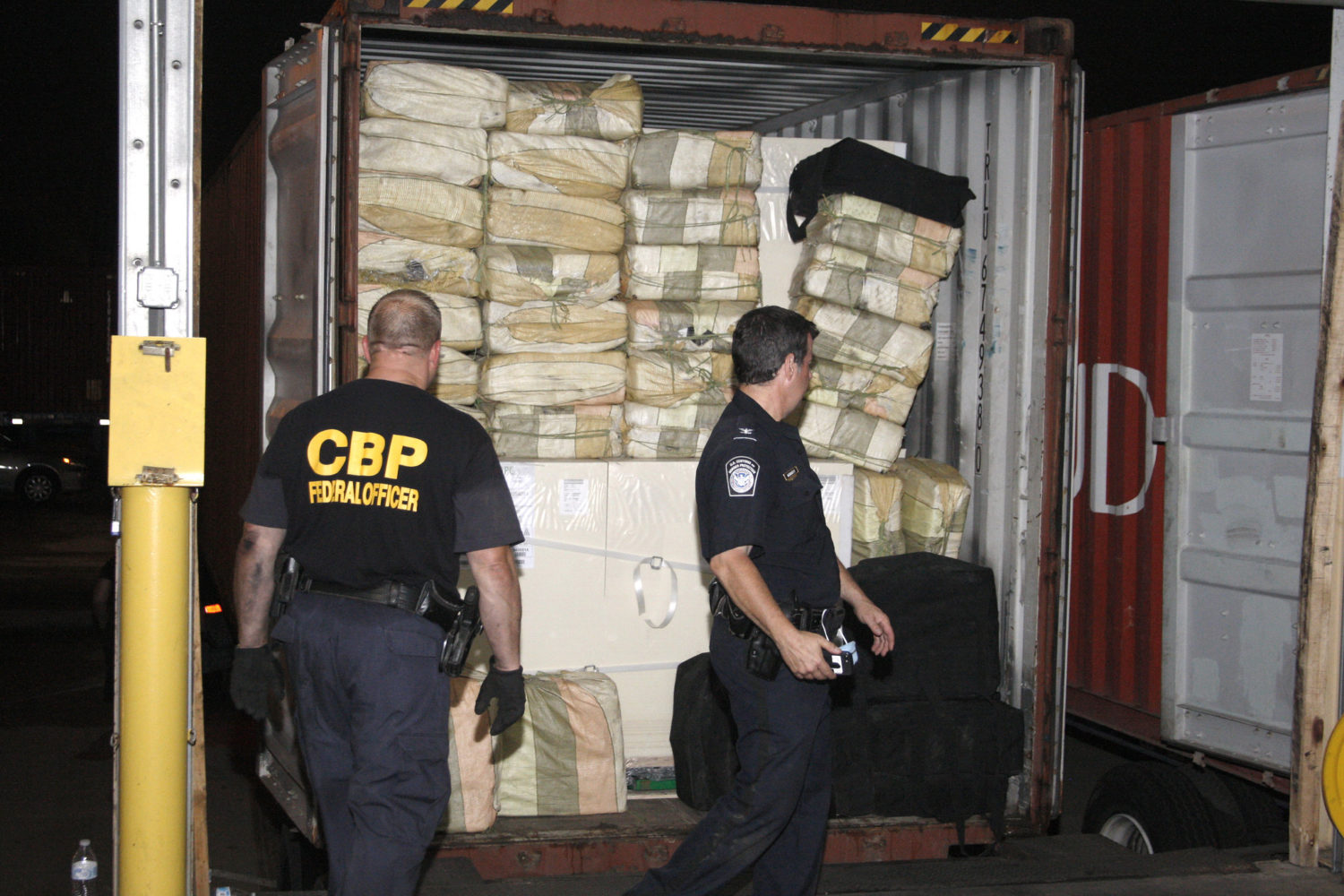
In late June, the MSC Gayane was seized due to carrying almost twenty tons of cocaine on board when it docked at the Port of Philadelphia and their C-TPAT status was temporarily suspended. Thanks to the USCBP investigation, we’ve learned that the drugs were on-boarded while the vessel was in open water off the coast of South Africa. Crew members, who have since been arrested for drug trafficking, loaded the cocaine from smaller boats that met up with the vessel while at sea. The C-TPAT program was created after the 9/11 attacks as a way for customs and businesses to work together and prevent terrorist activities from impacting the supply chains. The cooperative nature gave people a solid stake in the security aspects of shipping by creating best practices with which to conduct business in the face of a changing world of terrorism. The temporary suspension of MSC, one of the largest carriers in the world, has shaken up both sides of the supply chain. Shippers who depend on the line to ensure delivery and routes are available for their cargo are faced with finding new carriers or dealing with the no longer “low-risk” MSC until their suspension is over. There’s no shortage of great coverage of this issue as $1.3 billion in illegal narcotics is a rare treat for journalists, but apart from the salacious details, we think this is a great example of why everyone involved in the logistics process should evaluate their back-up plans. As we’ve learned from this issue, there’s no guarantee that carriers will always remain at their best and having a back-up plan in case of shipping emergencies will only help assuage the worry that clients and customers have after this issue.
The Section 301 exclusion process
On Monday, the Office of the U.S. Trade Representative (USTR) announced in a Federal Register notice the establishment of a process for requesting exclusions from Section 301 duties for products on “List 3.” Interested parties can request that products be excluded from Section 301 duties and the USTR will review via online portal that becomes active on June 30th 2019 and will be accepted until September 30th 2019. List 3 is composed of about 6,000 different Harmonized Tariff Schedule of the United States (HTSUS) codes, and the products on it comprise around $200 billion worth of imports. Importers of List 3 items were subject to a 10% tariff when they were announced back in September of 2018. The tariff rate increased to 25% on May 10, 2019 when trade negotiations between the US and China began to break down and no deal was reached. The increase was a decisive step in showing the discussions weren’t bearing fruit. In addition to offering options for importers and foreign traders the domestic producers of like items also have the opportunity to object to these exclusion requests. Any and all responses to individual exclusion requests including objections will be due no later than 14 days after the request is posted on USTR’s online portal. Any successful exclusion will be retroactively effective on Sept. 24, 2018, the date on which Section 301 duties for products on List 3 went into effect. We encourage anyone to reach out to their Nelson International representative if you need assistance in creating an exclusion, or if you want to file an objection.
Busiest May ever at the Port of Virginia!
May of 2019 has officially become the busiest May on record at the Port of Virginia. Thanks to the expanded handling abilities, container throughput capacity and enhanced efficiencies 206,000 TEUs moved though the port in May. The month also unveiled the newly finished railroad tracks for the on-site rail yard with 20,000 feet of new track and 4 cranes. The numbers for this month are outstanding with total TEUs up over 10% and the total number of containers up more than 8% from May 2018. Container tonnage, rail volume, barge volume, and truck volume were all up this month as the new infrastructure starts to reveal capability. “Our rail reach into the Midwest is expanding and we are aggressively marketing our capabilities. It is realistic to expect that we will be moving 40 percent of our overall cargo volume by rail by 2022,” says John F. Reinhart, the CEO and executive director of the Virginia Port Authority. “We are on our way to another volume record for fiscal year 2019 and closely monitoring the trade environment for any effects that additional tariffs may have on our business as we go forward,” Reinhart said. “These unforeseen changes are always of concern, but we are very optimistic about the long-term success of The Port of Virginia. To help ensure sustainability in the near- and long-term, we are working to diversify our cargo mix and this strategy will serve as a hedge during challenging trade environments.”
