


As of May 17, 2019 the USTR eliminated Turkey’s preferential trade status thanks to the nation achieving an arbitrary delegation of being sufficiently economically developed. Though this will end trade that was allowed to enter the US duty free, the White House reduced tariffs from 50% to 25% to somewhat ease the process. The review of Turkey’s status in the GSP (generalized system of preferences) came late last year when the US and Turkey were embroiled in diplomatic tensions over Pastor Andrew Brunson who was accused of terrorism in Turkey alongside diverging interests in Syria and a rumored Turkish purchase of a Russian missile defense system. There are 120 nations listed in the GSP, which was designed to boost economic development by removing tariffs and encouraging trade. According to Reuters, “The United States imported $1.66 billion in 2017 from turkey under the GSP program, representing 17.7%of total US imports from turkey.” Most imports came from vehicles, auto parts, jewelry, precious metals and stone articles.
An overview of current tariff issues.
The Office of the U.S. Trade Representative has been at the top of the news as they increased the 10% tariffs to 25% on the 3rd tranche of goods imported from China, achieving a raise that was due but postponed in December. To this, China conversely added tariffs on US imports to the tune of 5%-25% on 5,000 items totally around $60 billion dollars. On top of that, President Trump declared that $300 billion in a 4th tranche of imports from China would be under a 25% tariff. According to American Shipper, “In a notice prepared for publication in the Federal Register, USTR said the tariffs could reach as high as 25% and would cover essentially all products not currently covered by the first three tranches of tariffs, which encompass about $250 billion worth of imports.” The US has also agreed to remove tariffs on steel and aluminum imports from Mexico and Canada in an effort to expedite the “New Nafta”. This announcement comes on the heels of an announcement that the US would be delaying auto tariffs on Japan and the EU as trade talks continue in good faith and standing.

Suez Canal and Cape of Good Hope offer options to ocean cargo
The Suez Canal Authority (SCA) has positioned itself as an attractive alternative route for larger cargo vessels traversing the route to southern Asia in recent years. Rate incentives introduced by the SCA have led to a banner year for the waterway in 2018, surpassing many established records to date. When the expanded Panama Canal opened in June 2016, the SCA implemented discounts for container vessels originating from American east coast ports that were bound for ports in southern and eastern Asia, with the rates set to continue until June 30th of this year. This has worked well for larger vessels but smaller vessels still sail the route of the Cape of Good Hope as a more cost-effective measure. Data gathered in the BlueWater Reporting Capacity Report shows that the incentives offered by the SCA were a factor for some carriers in deterring larger vessels through the Suez Canal rather than the Cape. However, the increase in smaller vessel traffic has greatly benefited the nation of South Africa in spite of the reduction in larger vessel traffic. If the SCA continues in their push towards more rate reductions, it may become more cost effective for smaller vessels to traverse the Suez Canal as well, making for an increasingly competitive market. We at Nelson, International are working to find the most creative, cost-effective and expedient options for our customer’s cargo. While we’re deeply invested in routine traffic with our partners, we acknowledge that the competition in the market is making more choices for both cost and timing. We are looking forward to utilizing every tool in our box to ensure our clients have the best, fastest cargo move we can provide. Contact your representative today for the options we have to move your cargo.
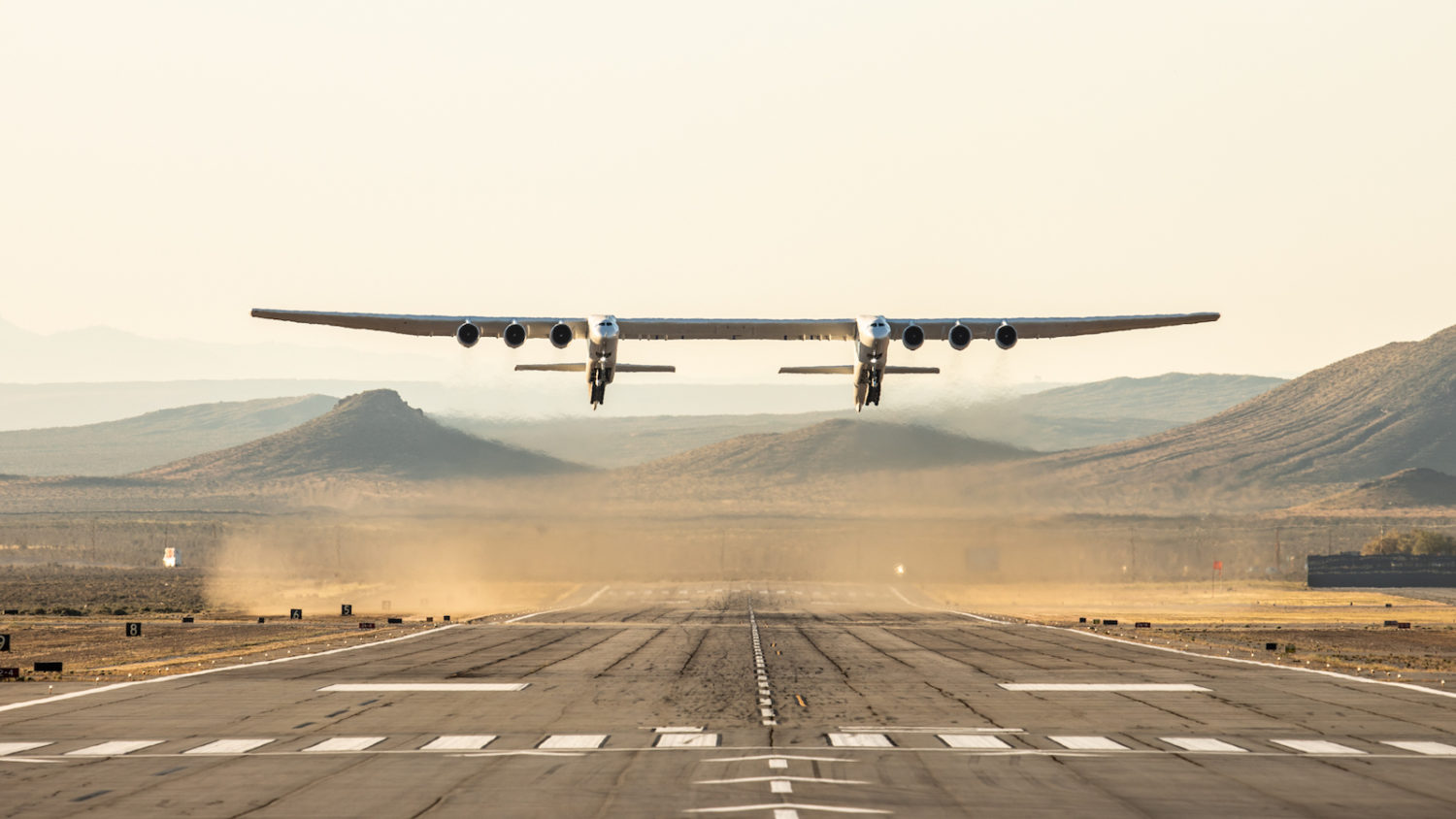
The world’s largest airplane successfully launches!
The record for largest airplane has been broken. On Saturday, April 13th at 6:58AM, PST, the longtime record was shattered when Stratolaunch System’s “launch pad in the sky” took flight from the Mojave Air and Space Port. The aircraft was in flight for 2.5 hours, reaching a top speed of 189 mph and an altitude of 17,000 feet. The six-engine jet’s wingspan stretches 385 feet over a double fuselage with a reinforced center wing capable of holding up to half a million pounds. Designed to launch aircraft into space, Stratolaunch hopes to create “airline-style access to space that is convenient, affordable and routine.” Since 1947 the Spruce Goose, Howard Hughes’s Hughes H-4 Hercule, has been the largest aircraft ever built and flown, with a wingspan twenty feet longer than a football field, it was designed to carry more than 700 men into battle. Because of problems getting steel during the second world war, Hughes built the airplane out of laminated birch and spruce, leading it to the iconic nickname. Stratolaunch plans to have its new family of launch vehicles enter regular service sometime in 2020. The company’s unique air-launch system will use the world’s largest aircraft as a mobile launch platform, capable of launching aircraft to carry satellites to multiple orbits and inclinations on a single mission.
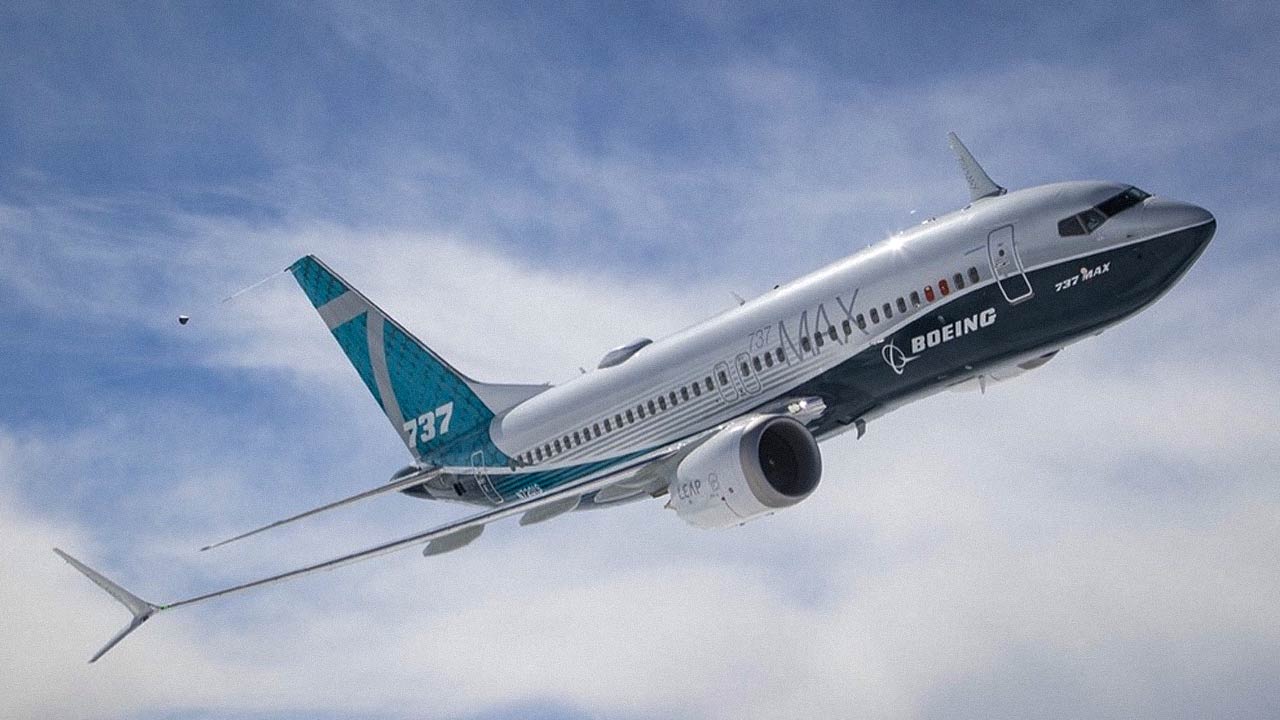
Boeing grounds 737-MAX
UPDATE 4/20/2019: On April 11, Boeing announced that it had created a software fix designed to prevent a repeat of the tragic crashes of two 737 MAX 8 planes over the past six months. The aerospace giant conducted 96 test flights using this updated software — including one with the CEO on board — to ensure that the plane is no longer susceptible to the same anti-stalling issues that caused the crashes. However, they still have a long road to finding their way into the skies with the 737-MAX as American Airlines, Southwest Airlines, United Continental have extended their grounding of flights into the summer season. Airlines have had to use larger planes in many cases to continue providing service, giving forwarders and shippers a capacity bump that has lead to an upswing in cargo bookings and a slight reduction in prices. Airlines that don’t use the 737-MAX, one of which is Delta, are expecting a growth bump of up to 3% due to having a full fleet staffed. 4/5/2019: Boeing announced they’d slow down production of the 737-MAX after the entire fleet was grounded after an Ethiopian Airlines flight crashed last month. This decision was made after a preliminary report on the Ethiopian Airlines tragedy showed that the pilots did perform all of the aircraft manufacturer’s procedures, but were unable to regain control the jet and crashed. Further investigations revealed the cause of both the Ethiopian Airlines and Lion Air crashes was a fault of the anti-stall program installed which pushed the plane into a dive due to erroneous angles of attack sensor readings. Boeing’s plane came under scrutiny following two crashes in the span of about five months involving Lion Air and Ethiopian Airlines that killed 346 people total. “The history of our industry shows most accidents are caused by a chain of events. This again is the case here, and we know we can break one of those chain links in these two accidents.” -Dennis Muilenburg, CEO, Boeing Boeing is working to develop a software fix that will get the 371 grounded 737 Max jets back in the air. The expected return date is still unconfirmed but is expected to be at least until May if not June. Updates will be done on this post as new information is available.

Port of Virginia exceeds volume and efficiency expectations
It’s hard to believe we’ve been keeping an eye on the Port of Virginia since early 2016 when the infrastructure was just starting to become an issue. Under the alerts that post-Panamax vessels were going to emerge from a widened Panama Canal, we documented so many successes as the port grew larger, dredged deeper, and moved more containers year after year. However, as infrastructure is rebuilt and equipment upgraded, there’s massive potential for delays and work stoppage. It’s a rare occasion we can celebrate a 33% reduction in truck turn times as we look to setting a port record of 3 million TEUs for 2019. Not only can the port serve ultra large ships with more than 14,000 TEUs, but delays are minimized by the increase in efficiency and infrastructure support that’s been put into place well before the first mega ship docked. As impressive as the numbers look, the Port of Virginia did not grow as fast as some other East Coast Ports. The slower growth allowed for the leeway to make improvements at a better pace to manage the influx of cargo without overwhelming new systems. “We’ve pivoted toward being a little more aggressive toward growth now that we’re bringing on our infrastructure,” he said. “So you’ll see us continue to try to build our volume momentum. And, secondly, we’re also very active and have been active the last three years on economic development across the state.” As always, we at Nelson International will be watching as the news updates with more information about the booming Port of Virginia.
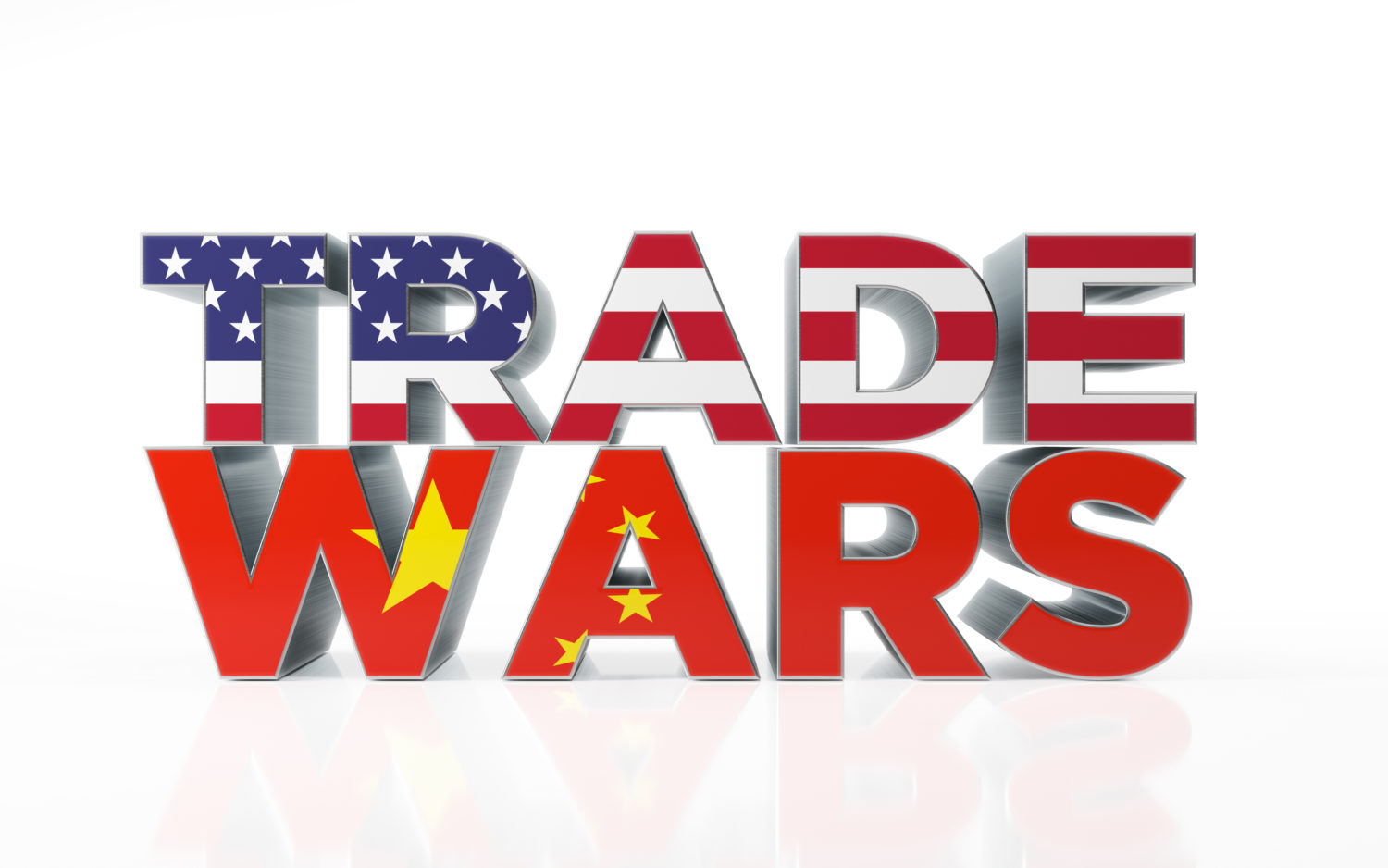
Final tariff hike may not happen
For months, logistics professionals have been concerned with the impending tariff hike on goods coming from China. Though they were supposed to start on January 1st, President Trump delayed them as talks between the two nations shows promise. The amended date of March 1st is looming on the horizon as the President again announces a possible further delay. The impact of the pending tariffs is being felt around the nation as companies front-load cargo, importing more than necessary to have cargo on hand when prices go up. As more and more warehouses fill to bursting -a common occurrence now in California and along the US West Coast, we didn’t feel the shut down for Lunar New Year as deeply as we had in years past. Freight is on hand and the prices are holding steady as we sit with bated breath for updates on the third tranche of tariffs to either go into effect or be removed completely. According to tweets sent by President Trump “As a result of these … very productive talks, I will be delaying the U.S. increase in tariffs now scheduled for March 1. Assuming both sides make additional progress, we will be planning a Summit for President Xi and myself, at Mar-a-Lago, to conclude an agreement. A very good weekend for U.S. & China!” But no official filing has been made following up on the announcement. When pressed for information the President offered up another month as the timing both countries would need to make enough substantial progress to prevent the tariffs. Concerns about further delays without actually cancelling the tariffs are valid as importers quickly run out of room to store their cargo, whether they happen the first of March or April. The threat of more expensive cargo has everyone rushing to keep ordering, keep gathering in case the tariffs come to pass, but that may not come to pass if the President gets his way. We look forward to watching these issues with you and working to ensure your cargo comes in as it’s needed by the most efficient route we can find for you.
Export license backlog not eased by end of shutdown
The Commerce Departments Bureau of Industry and Security won’t be catching up on the backlog of export license requests anytime soon. These applications must move through an approval process that is handled by myriad departments depending on the nature of the license. The 35 day shutdown only exponentially compounded the delays of the backlog. Relief won’t come soon as the BIS stated that the backlog would be cleared in the order in which they arrived, giving little comfort to those waiting. The backlog didn’t process at all during the 35 day shutdown though new requests still poured in every day. Further compounding the issue are the other export process issues apart from the requests, including classification requests, encryption reviews and registrations and advisory opinions, that need to be processed before the backlog can be tackled. These issues can impact compliance officers who are often in a rush to have their licences in place before agreements can be made at high levels. Without a responsive BIS working in a timely manner – 30 days is the usual turn around time – deals and sales can be held over, lost or changed resulting in financial distress. The other option, carrying on without compliance is the veritable rock upon which they’re squoze against the hard place, carrying compounding financial penalties and investigations that can turn criminal in nature. We at Nelson International advise patience and diligence in the strongest terms. While it’s not easy to wait for BIS to catch up and begin moving licenses, especially when we may face another shutdown in 11 days, remaining in compliance is the only real goal for shippers, forwarders and exporters. It will take time to see the machine fired back up and humming along as it was before December, but it will get back up and those who remained in compliance will see worries abate, which isn’t going to be so for those who try and circumvent the BIS.
Shutdown overview
There is hardly a channel, social media post, conversation or meeting that isn’t dominated by talk of the government shutdown. From stories of unpaid workers at TSA calling in sick, to stories about the issues arising on the southern border, there’s a great deal of information circulating. This week’s blog is dedicated to the issues our logistics industry is having with the shutdown so you can separate the sound from the noise and keep getting the job done as best we can. Most concerning in this situation is the status of CBP as the crux of the shutdown hinges on the southern border of the US and the decision and funding of a wall (or fence, or other physical barrier) and funding. Recently the NCBFAA released a statement explaining the CBP plans for the near future: “CBP is working with other agencies to have the flow of trade as close to normal as possible. While management and leadership will continue to work client representatives and others will not. In the case of an ACE outage, client representatives will be recalled. Ports will be staffed as normal, Trucks will be processed, air cargo and hubs will be working and trains and vessels will all be processed.” The NCBFAA further explained, “all U.S. Consumer Product Safety Commission’s (CPSC) port investigators would be furloughed.” The “shipments that have been targeted, but not arrived for examination, would be released, unless CBP or another PGA has interest or an imminent health and safety issue has been identified.” For shipments that include food products, fresh cut produce, food borne illnesses, recalls and screening/safety inspections, the FDA announced on January 14, 2019 that high risk inspections would return but be handled by unpaid workers. FDA Commissioner Scott Gottlieb explained that the FDA is moving into a longer-term phase of its shutdown contingency plans and lower risk commodities would not be inspected. The USDA is another area of major concern as food safety, support and services are no longer operating. USDA Secretary Sonny Perdue explained, “There may be a lapse in funding for the federal government, but that will not relieve USDA of its responsibilities for safeguarding life and property through the critical services we provide.” Like most of our readers, we’re dedicated to following these updates as they come out so we can provide the most up-to-date information to our clients. We understand the issues surrounding a full government shutdown are complicated and confusing, especially when they’re coming as fast and furious as this. We encourage our readers to reach out to their Nelson International representatives for help and guidance while the situation gets sorted.
Port of Virginia – Another banner year.
No, we don’t ever get tired of writing about the astonishing growth of our local Port of Virginia. Here we are, again in another January, reporting back the incredible numbers posted for 2018. While this isn’t a fiscal year list of growth (which we will see in July) the regular check-ups are a solid way to monitor how port traffic impacts our local economy and provides a snapshot of the ocean logistics profession as it currently stands. According to information published in the AJOT, the Port of Virginia handled 2.85 million TEUs through the calendar year of 2018, a .5% increase over the 2017 total, including growth of 1.2% in breakbulk cargo, and increases in both truck and barge traffic that is handled by VIT and the Richmond Marine Terminal. With regard to the local economy, the Port of Virginia helped to generate 3,100 new jobs and 1.9 million square feet of space of developing services. The initial investment, construction and expansion ahead of the release of post-Panamax vessels carried through 2017. Being in the right place was only part of the planning; the dredging and infrastructure upgrades allowed the port to remain in the prime east coast location even as fewer ships called the port, a reduction of almost 5% in 2017 under 2016. However, the port could service massive ships with more cargo instead of the plethora of smaller ships holding half to a third the cargo. “We cannot always measure success in terms of cargo volume. It was a landmark year for The Port of Virginia and we look at 2018 as a year of accomplishments. Each month we saw new equipment being delivered, new capacity coming on line, the incorporation of technology and projects like Wider, Deeper, Safer getting the necessary federal approval to move forward. Equally as important is that we were safe in the execution of our jobs. ” Credit for quote to American Journal of Transportation 1/14/2019 Further to the the information available, AJOT created a month-by-month review of how the Port of Virginia steadily built and upgraded its services to capitalize on the larger cargo carriers. We recommend all our readers check out their coverage and information to see the services unfold monthly. To answer any questions about the Port of Virginia and how Nelson International can work with your cargo needs to provide excellent routing we ask you to reach out to your representative. However, we will remind you that we do not ever get tired of writing about how improvements to the logistics infrastructure improves overall cargo shipping, local economies and safety for cargo workers. Congratulations, again, and we look forward to seeing the fiscal year numbers coming in July.
