

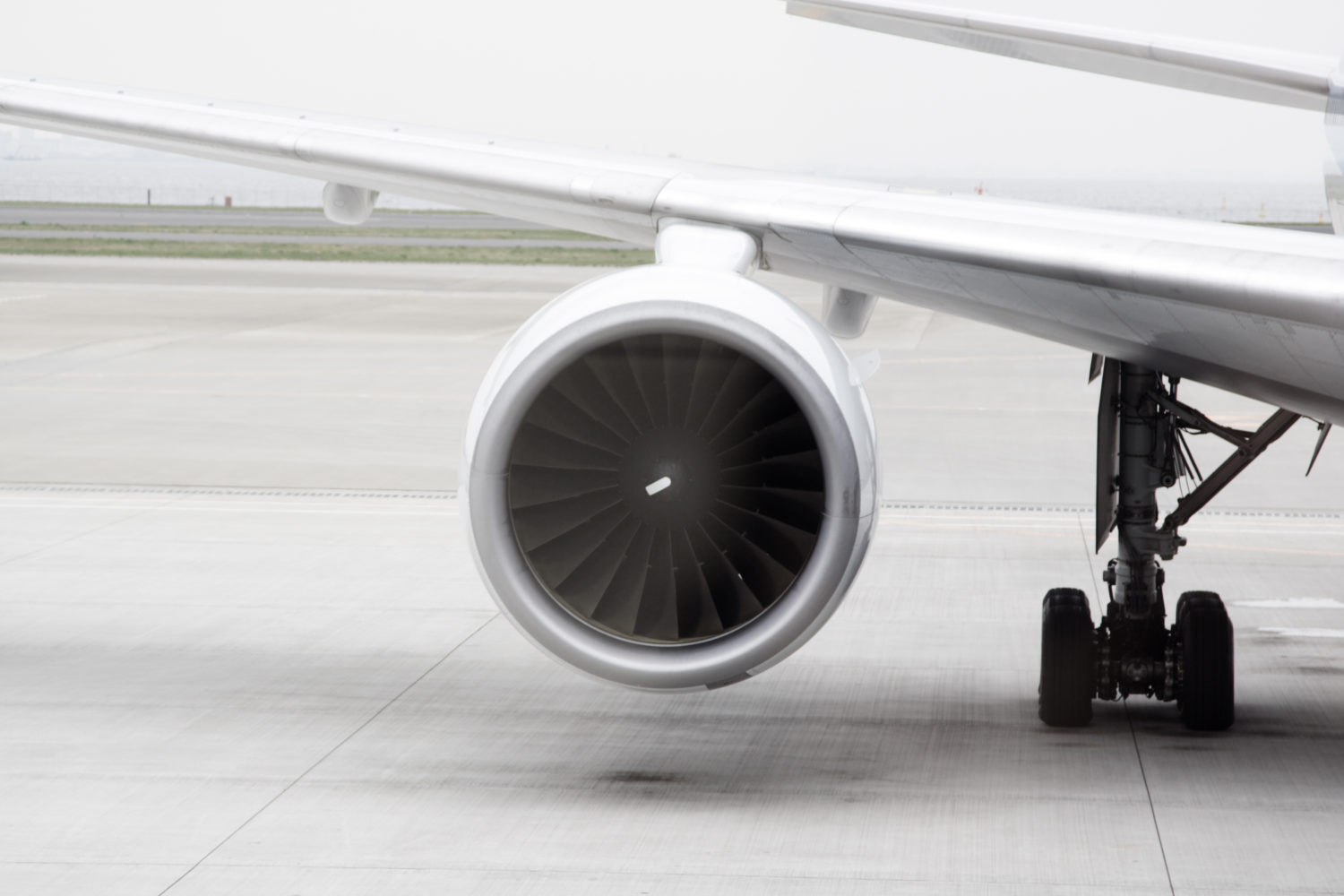
Today, Nippon Cargo launched the first, but so far the only, flight since being grounded due to an “inappropriate maintenance record” on June 16th that caused the entire fleet to be grounded for inspections. NCA resumed their service to Shanghai Pudong (PVG) from their home base at Tokyo Narita (NRT). While the initial inspection time was expected to take a week at the most, it was three weeks before any of their aircraft was cleared to return flying. With a fleet size of eleven, only one has been returned to work after the inspections. Nippon expects all aircraft to return to the skies, but has avoided thus far remarking on a timeline back to full capacity. “The fleet will resume in sequence as soon as the aircraft safety is confirmed,” they advised without details on which stage of inspection their aircraft are currently in. Shippers using space on NCA are still very concerned about capacity issues arising from the grounding and the impact the re-routed space will have on other carriers. Cargo capacity throughout the Trans-Pacific has been tested throughout this trial with little leeway to begin with. We at Nelson International are keeping an eye on this story and would offer our initial post on how the fleet was originally grounded and the steps that are being undertaken to get the fleet back up and running without issues concerning maintenance.
Nippon Cargo grounds entire fleet
Issues surrounding an “inappropriate maintenance record” discovered on June 16th has caused the entire fleet of aircraft to be grounded by the Japanese carrier, Nippon Cargo Airlines (NCA). According to an official statement from NCA, the grounding is expected to last for over a week as aviation officials conduct an independent safety audit of the eleven 747 freighter aircraft. Discrepancies and inconsistencies in the maintenance records alerted inspectors that something was amiss and flights could be unsafe. “In an abundance of caution and to ensure the safety of our operation, we decided to temporarily ground all aircraft until all maintenance records have been confirmed appropriate,” read NCA’s statement. “We sincerely apologize for the inconvenience and worries we caused our customers. We will do our utmost effort to check safety for resuming operation as quickly as possible.” Unfortunately this is not the first issue NCA has had with maintenance records as NCA was found to have omitted other incidents where damages had occurred to aircraft back in May. Between the voluntary grounding and following audit, NCA is working with their internal personnel to take disciplinary action toward those involved with the record keeping mistakes. The original estimation was for the fleet to be out of commission for only a week, but industry experts have determined that’s a very optimistic assessment. The best case scenario for a return to full capacity appears to be two to three weeks, leaving shippers in a lurch as already tight air capacity reaches a stranglehold. While larger forwarders have made outside arrangements, it’s a major disruption that everyone will feel. “Getting them back into rotation – we anticipate it’s probably going to be as much as two to three weeks,” explained Bob Imbriani, VP at Team Worldwide. “That all takes a little bit of time, assuming there’s nothing that’s going to ground them longer.” We at Nelson International understand the very delicate balance that forwarders must maintain when dealing in air freight and want to assure our customers we’re watching this situation very closely to ensure the best routings are being used to keep cargo moving on time. We hope to update this story soon with good news.
Dogs are still best cargo screeners
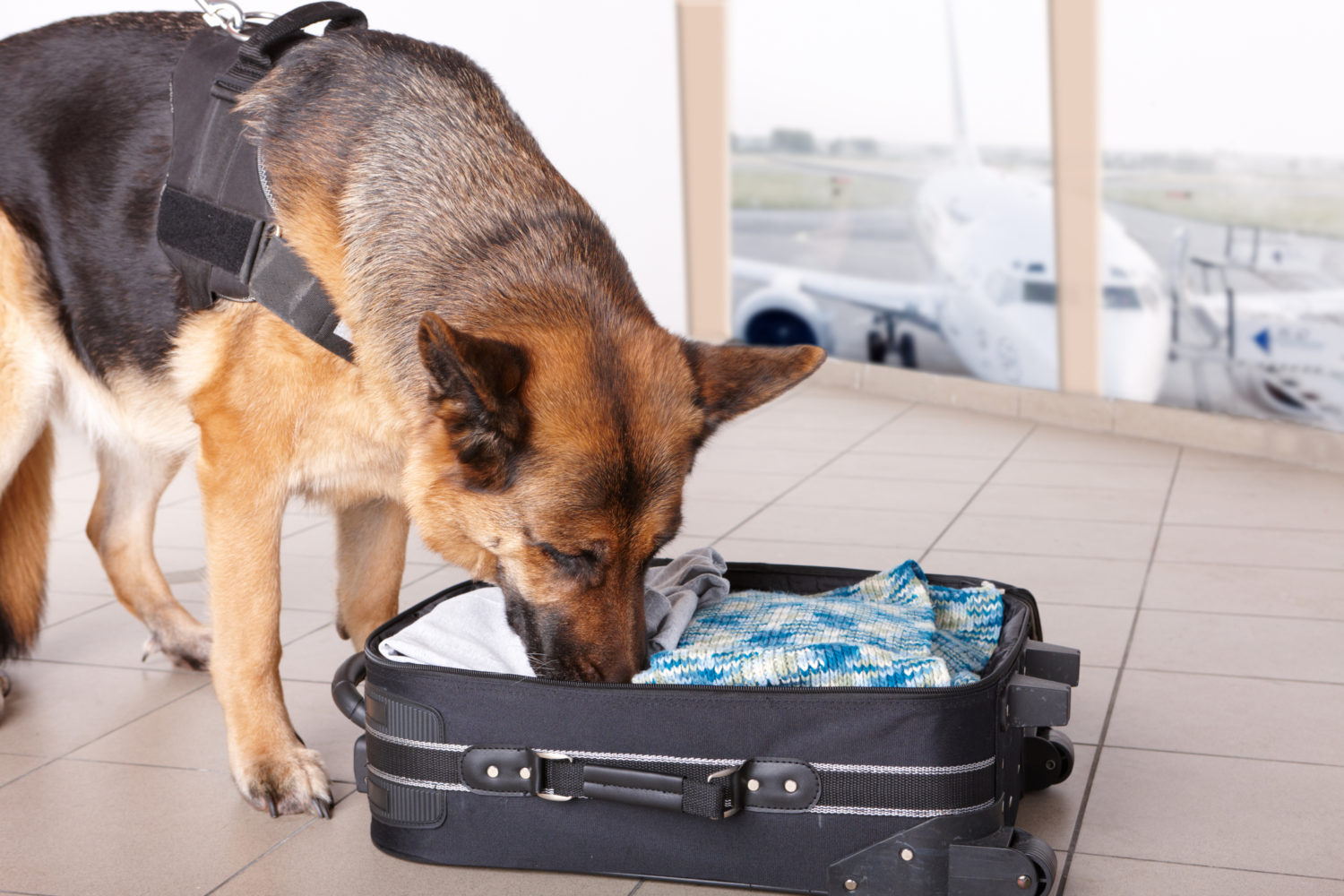
In March the US House of Representatives approved legislation that gives the air cargo industry the ability to hire third party canine inspectors to screen cargo. As our industries move quickly toward technological advancements in block-chaining, user experience driven rate management and self driving cars, canine screeners are almost unbeatable when it comes to cost and efficiency in cargo screening. This measure will give security and TSA the ability to source the screening on both commercial flights and cargo planes at a time when airfreight is booming. “The industry has been heavily involved, from handlers to certifying companies, the airlines and everybody else – it’s giving everybody the capability to give their input into what’s going in this program,” said Jennifer Haigh, manager of cargo screening and business development at K2 solutions, Inc. Upon this ruling, TSA got busy developing a set of standards for evaluating third-party canine screening companies. Working fast to implement dogs into the process, the efficiency and trumps other screening methods as trained canines can detect dangerous and illicit substances in the single digit as parts per billion range without needing fancy scanning equipment. “These dogs have the ability to [go] through and screen pallets and warehouses in a matter of minutes,” she said. “Think of the efficiency of putting a dog and a handler into that environment and not having to worry about, ‘Is this system going to work?’ or ‘How many people do we have to bring into play now that we have equipment?’” We at Nelson International are on board with whichever methods keep our cargo and air passengers safest and will continue to watch these stories for those which pertain to cargo. If they happen to include adorable puppies? More’s the better.
Traffic to East Coast ports grows faster than West
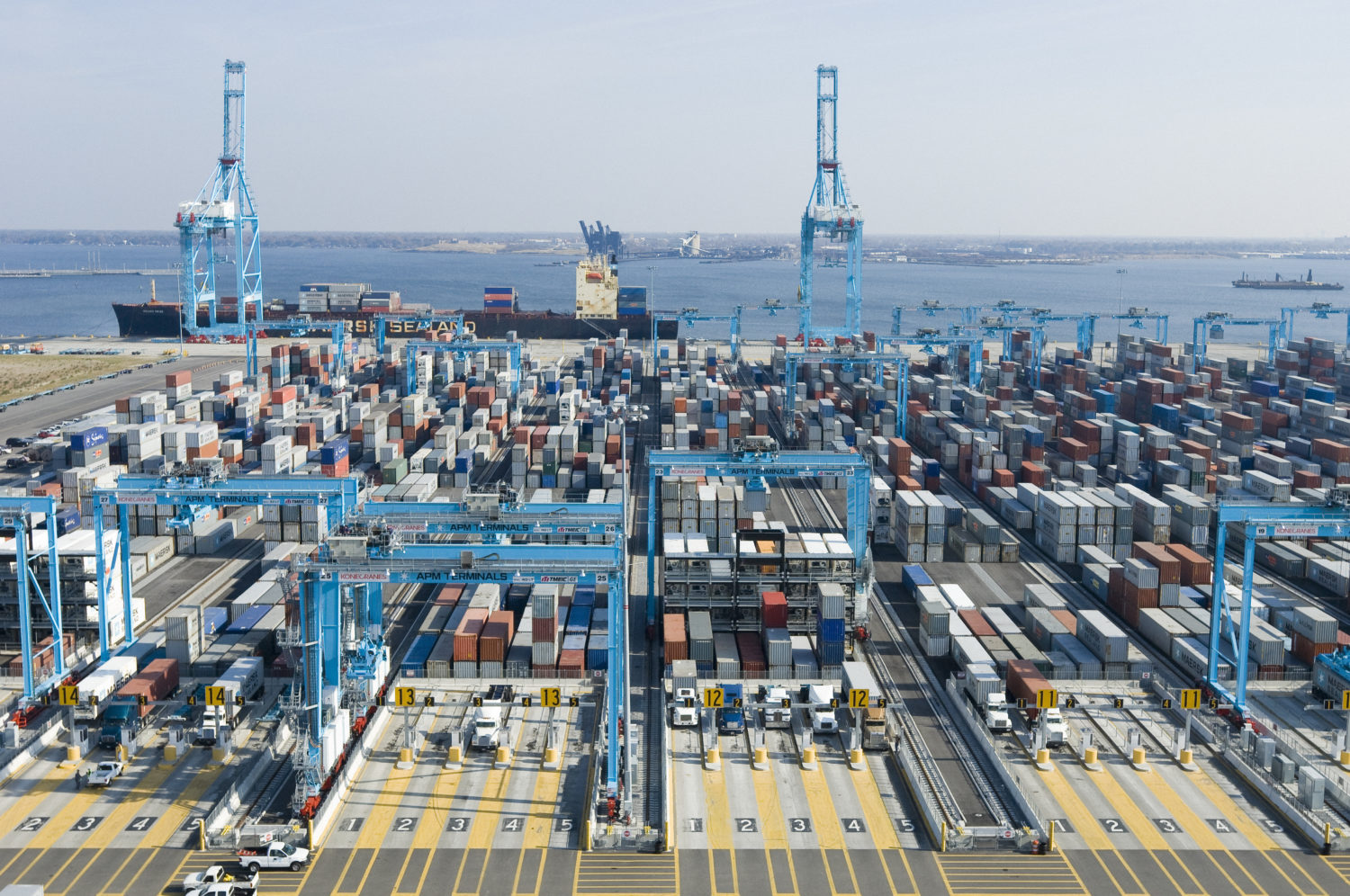
Based on information out of ClipperMaritime, container traffic from Asia to East Coast ports is growing at least twice as fast as that to West Coast ports, surging 16% into 2018. Growth is expected to reach 10% through 2018 while the ports on the West Coast should expect to be around 5%. Bolstered by the widened Panama Canal and port infrastructure improvements all along the Eastern Seaboard, the growth isn’t unexpected. These ports have been preparing for post-Panamax megaships and the results are speaking for themselves. Managing this capacity will be crucial to the continued successes of these ports, and considering the contract negotiations between the ports and the longshoremen’s union ILA are set to begin in September 2018, there are still issues that could arise. Negotiations between the longshoremen and the West Coast ports all but stopped trade in 2015, leading carriers to begin routing through the East Coast. Ensuring capacity doesn’t grind to a halt once it reaches inland cranes and rails is going to be key in managing such exponential growth. Considering the East Coast can be more susceptible to weather issues, which we saw after 4 severe nor’easters caused dips in traffic this past February, the management and implementation of automated services will be a focal point for many east coast ports. However, the loss of market share won’t be taken lightly by the West Coast. Infrastructure improvements are taking hold all along the Pacific side as more and more cargo floods our shores. As spot rates continue to fluctuate, we will keep a close watch on which lanes are the most effective for the cargo our customers need to move. We at Nelson understand that the opportunities coming aren’t depending on any one port, but rather a clear and concise understanding of how these trends will impact our industry and plan to be prepared for any and all changes and adjustments in the market.

International transportation trends for the first half of 2018.
We’re usually talking about how the ocean cargo market is on an upswing and celebrating the monumental records set at the Port of Norfolk, but this week, we’re going to take a look at some of the trends we’ve seen in the first half of 2018. From the juggernaut of e-commerce to pricing volatility and transparency we’ll take a look at some trends that everyone should be looking for. E-Commerce is a behemoth. Capacity on all journeys has been tightened to a breaking point due to the massive uptick in popularity thanks to the convenience with which consumers can order and receive goods by shopping online. As consumers continue to demand shorter transit times and retailers push to remain competitive, these shipments will continue squeezing air freight space throughout the year. Shippers can mitigate the issues buy employing best practices for forecasting so bookings are made in advance with solid information and explanations of requirements. Communication with airlines is key in this situation as it doesn’t look like more spaces will open any time soon. Follow any changes in requirements closely and communicate those needs to your airlines frequently to reassure your customers that their cargo remains a priority. Pricing volatility comes from scarce capacity and with the amount of cargo moving, even ocean freight is experiencing hyper market fluctuations.” If we look at Trans-Pacific Eastbound lanes, current forecasts show 8-9% growth mostly due to an influx of larger modern vessels coming online. Meanwhile, freight volume is steadily growing although “only” at a 5-6% clip.” Some expect that carriers will attempt to deflate capacity information artificially and drive prices higher, though that trend isn’t a long term solution. Flexibility is key here, as better and often cheaper spaces can be found on the spot rate market if the shipper has that ability. Flexibility of carrier is also recommended as lanes and services via alternate options can provide a cushion during peak season crunches. Transparency is on the rise with the ELD mandate going fully into play with trucks. While the industry isn’t exactly predictable, yet, there’s more information than ever for shippers to use to their advantage and book cargo with the best rates and lanes. However, transparency comes at a cost and there are a number of inland ports, including Chicago that are experiencing a “Perfect Storm” of shortages in the trucking market. Shortages drive up costs and complicate timing for cargo, so again, we recommend flexibility and forethought as we enter the second half of 2018 (yeah, already, crazy, right?) We at Nelson pay special attention to market factors that impact our client’s cargo and work diligently to provide innovative, cost-saving solutions to keep you on time and ahead of schedule. Let us know if we can work on a plan to mitigate your risk for delays.
2018 Container Shipping Outlook
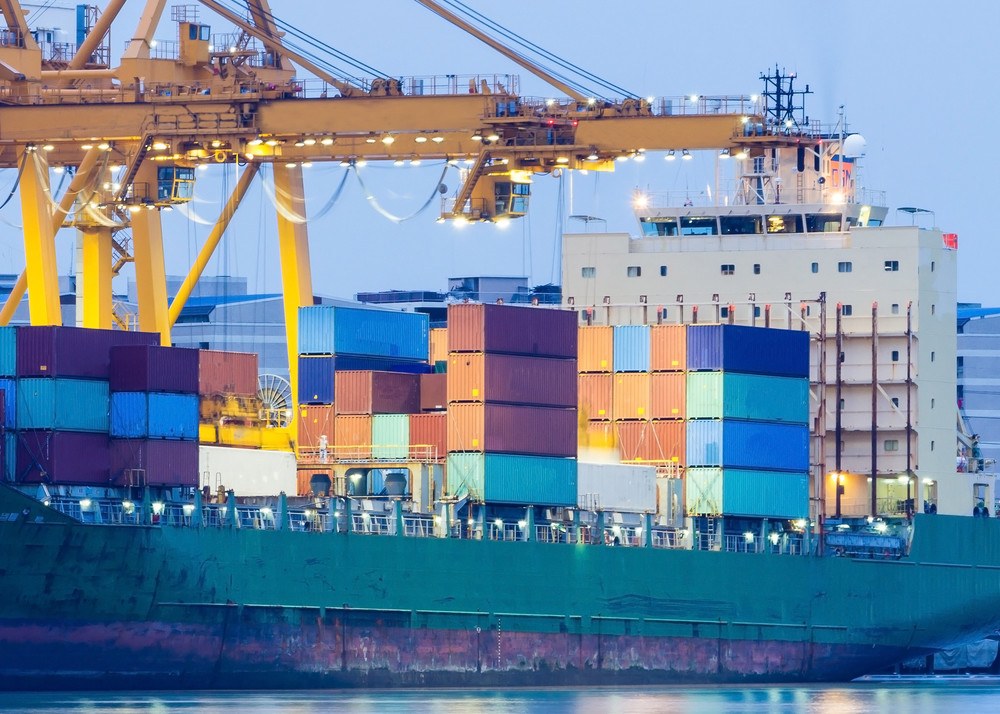
After a lackluster January and February, the Port of Virginia is once again posting gains as March volumes increased 9% over the same month of 2017. As the Port of Virginia works diligently to increase service and efficiency, they’re aware of how infrastructure improvements can slow down the port’s workflow as construction delays are inevitable. However, as container shipping itself comes off of a banner year in 2017, over capacity stemming from megaships and fleet expansions gives pause to premature celebrations. According to AJOT.com the port handled 252,230 TEUs, an 8.7% increase (20,082 more units) year over year, driving total growth for 2018 to 4.4%. Numbers in January and February were decidedly lower as extreme winter weather conditions caused delays and two full days of work stoppage, impacting total counts. As truck appointments and infrastructure improvements continue to make the port more efficient and more capable of handling over sized ships, the yearly growth looks poised to surpass 2018, leading to a seventh year of growth. Sadly, not all container shipping scores are as bright as though of our home port. Shipping itself is balanced precariously on numbers that are being driven by a slow uptick in rates, though many shippers are fighting back to get cheaper services. An increase in bunker costs since last year has many shippers working with carriers to offset these hikes, leaving the carriers without a sufficient income stream to offset the rising prices for fuel. According to American Shipper, “Larger customers have been rejecting surcharges such as the low-sulfur-fuel surcharge and frequently demanding contract rates with bunker adjustment factor included, thereby eliminating carriers’ ability to pass on fuel price fluctuations. Consequently, carriers will have to step up other efforts to manage expenses and lower the cost base.” We at Nelson International feel that the best way to survive any tumultuous years is by increasing efficiency and expanding smartly as the Port of Norfolk has in the past. Their careful preparation and focused improvements have prevented even the unforeseen weather issues from deeply impacting their numbers and we look forward to watching their success throughout 2018.
Port of Norfolk appointment system shows promise
On March 1, the new trucker appointment system at the Port of Norfolk began to slowly start arranging early morning loading times. As mornings are typically the slowest time at the port, the appointments rolled out easily to provide improved service and better predictability to an overloaded system in hopes that they can take hold across working hours to alleviate congestion. Understanding when truckers will arrive allows the port to stack containers based on appointments and shorten wait times and turn around, having reduced the average morning trip from 75 minutes in February to 45 minutes in March. Appointment times not only allow the port to better staff and prepare for trucks, but it also controls the flow of traffic and organizes vessels in a more complimentary way to the traffic pattern. This effort to “groom the stacks” allows for less idle time during trips, reducing congestion and delays, which are even more important after the ELD mandate reduced truckers available time. As ships grow in size, carrying more TEUs than ever, the ability of the ports to handle more containers becomes critical to their success. According to JOC.com, “For example, discharging a 15,000 TEU vessel in a port call uses more terminal resources than an 8,000 TEU vessel and a 7,000 TEU vessel several days apart. “ By summertime, the port will roll out the appointments to both the VIG and PMT in an infrastructure retrofit that also includes 86 new automated stacking cranes that will expand the VIG from 15 to 28 stacks that will see capacity rise from 6,000 to 1.2 million yearly, a continued deepening of the harbor to reach 55 feet in low tides, and will see the widening of the Virginia ship channel from 1,000 feet to 1,300 feet so services can continue uninterrputed as commercial vessels can use the channel at the same time as megaships.
Port of Virginia container volumes fall
Due to extreme weather issued this winter, the Port of Virginia has seen container volumes fall slightly. An unusual issue for a port that is celebrating record setting trends and numbers year after year, the beginning of the calendar year always seem to cause issues in numbers. Savage winter weather caused the loss of two full days of work in January (along with standard drops post-holiday) and the shorter month of February wasn’t enough to bounce back, numbers show. Port of Virginia is still up 3.8% at almost 1.9 million TEUs for the current fiscal year. According to the most recent port data: Handled 218,729 TEUs a decrease of 0.7% year-over year Inbound empty container volumes fell 70.8 percent to 2,099 TEUs for the month Outbound empty container volumes rose 12.2 percent to 34,156 TEUs Volumes handled by the Virginia Inland Port (VIP) and Richmond Marine Terminal (RMT) were up 4% to 2,885 containers and 45% to 2,541 TEUs, respectively As of March 1st, the port is rolling out the new Truck Reservation System, PROPASS which will start at the Norfolk International Terminal and move on to the Virginia International Gateway over the summer as they work to accommodate more trucks in less time. Now, trucks looking for port calls between 5AM and 7AM will need to have an appointment as more service hours are added to work with the huge increase in port volumes and ELD delays that keep trucks from making full day turns due to hourly restrictions on drivers. According to John Reinhart, CEO of the Virginia Port Authority, “January featured two snowstorms, which had an impact on our performance, yet we continue to perform in-line with our fiscal-year volume forecast. We are expecting volumes to increase as we move into spring and summer, so we are focusing consistent delivery of service and managing the growth and construction at Virginia International Gateway (VIG) and Norfolk International Terminals (NIT).We anticipated the challenges, and on a monthly basis starting in April, we are bringing new capacity on line that will help to alleviate the situation,” he added.

Capacity tightens under ELD mandate
For ports in the Southeast US the ELD mandate is creating a capacity crunch that threatens to drive trucking rates higher when the full mandate goes into effect in April. Due to our coastal location, containers arrive at our ports and distribute into the entire Southeast, sometimes over great distances. As cargo ships grow and our ports expand to accommodate these behemoths more cargo arrives with each passing sailing. We’ve had record-breaking years as cargo volumes leap at the Port of Virginia and around the country, which adds to the capacity shortages we’re seeing in the trucking market. Bottlenecks at the ports are becoming more commonplace as truckers can no longer do the same day deliveries of containers as they did before the mandate. Receiving cargo at Norfolk, VA or Charleston, SC and delivering to Alabama, Tennessee or West Virginia was once a single day turn around so truckers could return to pick up new containers, but no more. Weather issues that cause delays via slower speeds and a shortage of drivers in general are driving rates up 7-10% in some areas and impeding profitability on contract agreements that were signed before the mandate was passed. Some trucking advocacy groups are working hard to lobby for government to rescind parts of the mandate as they claim they’re unable to meet the demands and still keep their trucks on the road. Per American Shipper, “The Owner-Operator Independent Drivers Association (OOIDA) has called on the U.S. House Committee on Transportation & Infrastructure to “urgently conduct” an oversight hearing on the implementation of the Federal Motor Carrier Safety Administration’s (FMCSA) electronic logging device (ELD) mandate.” Nelson International remains committed to finding innovative and cost effective solutions to these capacity issues happening in our industry and are working diligently to keep the problems from impacting our clients. If you have any questions or concerns about how the changes apply to your cargo, don’t hesitate to call on your representative and discuss the solutions we have for your needs. We’ll keep watch as the capacity starts to flow after the warmer weather stops plaguing the northern and upper mid-western areas and as always, inform our readers immediately.

Chinese New Year starts today!
It’s the Year of the Dog as we begin celebrating the Chinese New Year, which will run from February 16, 2018 until February 4th, 2019! This year we’re celebrating an Earth Dog, said to be communicative, serious and responsible. As we bid farewell to the year of the rooster, where presentation and preparation were king, we’re now moving into a year where there is no substitution for loyalty and hard work. This year is said to bring changes, new job opportunities and an increase in efficiency. Those born in the Year of the Dog are said to be candid, quick-witted, loyal and insistent, with a “dogged-like determination” to bury their savings in a safe and memorable place in case of emergencies. While we all enjoy reading the various Chinese Zodiac information every year, we always want to mention the holiday season due to it’s deep impact on our business. Chinese New Year is a 16 day celebration where factories, shippers, and many others are away from work spending time with their families and friends. Large parades, good-luck cards and specially prepared foods, all in the hopes of attracting good luck in the new year. Bright red decorations and costumes will adorn the celebrants and fireworks, parades and joy will spread across the skies and cities during this time. Most factories begin to slow down the week before and remain closed for almost a month leading to a bottleneck of shipments as suppliers rush to catch back up after the holidays. We at Nelson International are on hand to work with you and your suppliers, or your backup suppliers to get your cargo moving and keep it moving during the celebration. We wish all of our clients a Happy New Year of the Dog!
