

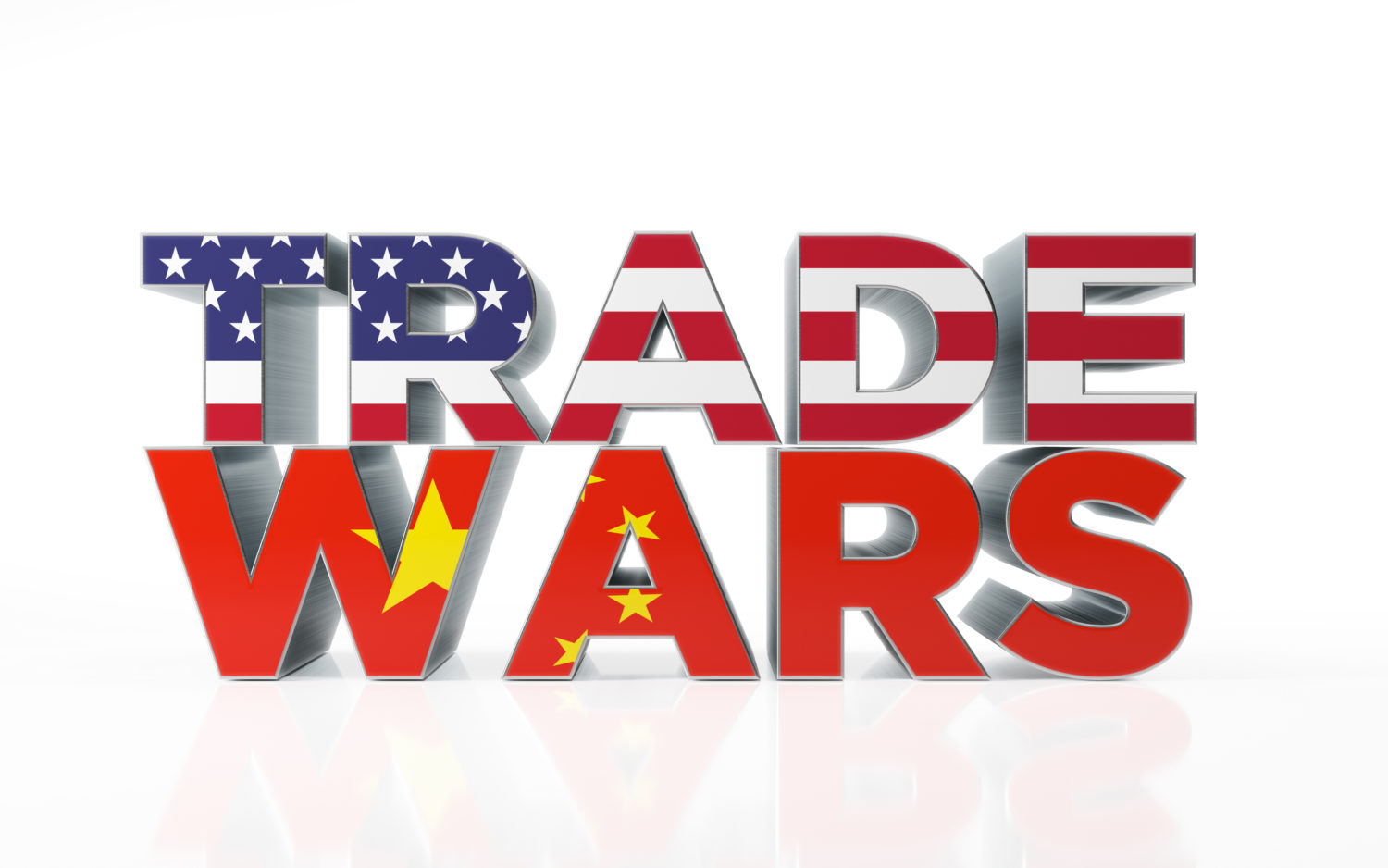
On Friday, December 1, 2018 President Trump declared that the impending bump to 25% duties on the third list of Chinese tariffs would be postponed for 3 months moving the implementation date to March 2, 2019. The delay in implementation gives both countries time to negotiate trade terms for quieting the escalating trade tit-for-tat. The US says China agreed to “purchase a not yet agreed upon, but very substantial, amount of agricultural, energy, industrial, and other products from the United States to reduce the trade imbalance between our two countries”. On December 18th the Chinese government agreed to purchase 1.19 million metric tons of US Soybeans, marking the first purchase of significant agriculture in the planned agreement. Despite the order, and security it brings to ailing farmers, the US Government again authorized $4.7 billion in aid to those farmers who’ve been negatively impacted during these trade disputes. While there is no further aid planned for farmers in 2019, more funds could be necessary as the final details of the newest trade agreement are worked out with China. This most recent purchase by China and at least 1.4 million tons reported by USDA reignite shipping that had all but halted after Chinese purchases of American beans ended. However current data shows China buys 30 million to 35 million tons of U.S. soybeans in a normal year as the largest importer of U.S. soy.

Trans-Pac imports won’t slow down soon
This year we expect that peak season will persist for a longer period than in previous years, extending up to Chinese New Year (February 5, 2019 – February 19,2019) when it should slow down and recover at the first of March. Typical import schedules taper off around November as the holiday retail shipments are landed and incorporated into store inventory to prepare for Christmas whereupon shipments fall off until spring. Retail shipments pick up and continue in March, when seasonal goods, including patio furniture and yard equipment begin to arrive for spring and summer shopping. Slowing of imports during January* are typical when retailers are working to prepare their inventory for shutdowns that come with the Chinese New Year celebrations. Retailers need enough inventory in stock to manage supplies for the two weeks when there’s no imports coming from China. These cyclical events are becoming more difficult to predict as imports continue to grow each year. The National Retail Federation (NRF) explains that total US retail imports will rise 4.5% year over year (2017) and holiday season retail imports are expected to be up 4.3% – 4.8% over 2017. Trans-Pacific spot rates have a backslid slightly though they’re still at a 5 year record as extra loaders have alleviated the tight bottlenecks causing delays in cargo moves once they’ve hit the US ports. Holiday demand has the added benefit of using seasonal workers called upon for short periods to alleviate the booming cargo pouring in and explains the reduction in spot rates though they’re expected to recover and rise before leveling out. *It’s important to note that most of these imports from the trans-Pacific are being urgently expedited because of the tariffs coming at the end of the year. A 25% tariff is excellent motivation to move as much cargo to the US as possible before the tariffs are in full effect.
Inefficiencies at the root of container issues
Inefficiencies are at the root of the container shortages and delays in the US market. According to a study by the JOC, neither more money nor more equipment will solve the bottlenecks causing delays with container shipping in the US. As truck and intermodal rates continue to rise, the delays caused by extreme bottlenecks at terminals, rail yards and distribution warehouses are causing extensive downtime for drivers, resulting in a shortage of drivers. The JOC Inland Distribution Conference is careful to point out it’s not a lack of drivers, but an inefficient use of service hours for the drivers that are available. These inefficiencies are causing a chain reaction that slows down the entire supply chain and exposes weaknesses in the shipping processes. As container imports and intermodal traffic are up almost 5% over 2017 with no sign of slowing down, these issues will become more and more apparent as more of our cargo bunches up at ports due to a massive increase in cargo capacity among these mega ships. One clear point made by this conference is that it’s not a shortage of boxes, drivers, chassis’, or manpower but instead the delays are more akin to a stress fracture; the increased traffic across supply chains cannot be sustained by the slapdash distribution services we were once able to cobble together. “We will give up a bad customer for a good driver any day of the week,” said Mike Regan, cofounder and chief of relationship development at TranzAct Technologies. “If you are an occasional, inefficient shipper, be prepared to pay more,” he said. These problems are the main reason we at Nelson International are so determined to highlight the port improvements we’re seeing at the Virginia International Gateway. The more efficient the system of unloading, trucking and rail becomes, the more cargo we can safely and quickly transport across the country. Being an efficient industry leader in the game of ports, trucks and rails, allows VIG to reduce waiting times, hours lost and cargo delays. Keeping an eye on the timing of cargo for our customers is a fundamental part of the services we offer and we apply this to each routing we schedule. Updates need to be made across the board and we’re proud our home port is leading the way, in advance of the problems that increases in traffic bring. Let us know if we can help you alleviate congestion with innovative and creative freight solutions.
Port of Virginia moves forward with infrastructure upgrades.
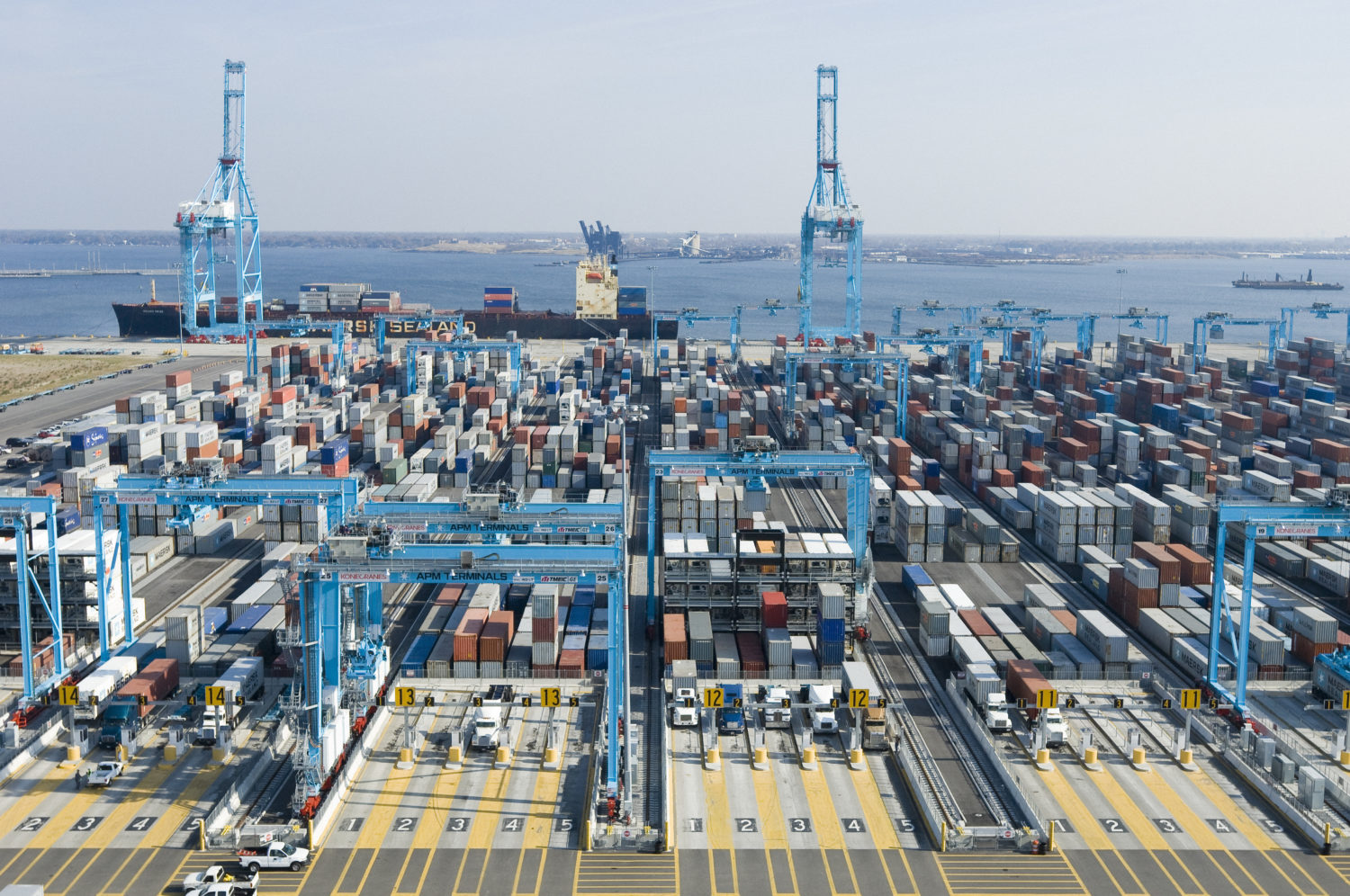
On September 27th, the Port of Virginia installed four new truck intake gates, increasing their capacity by thirty percent as a critical part of their $320 million infrastructure upgrade. Gates 14-17 will be able to handle an average of 800 truck transactions, per gate, per week equaling 13,000 truck transactions per week total, which is two thirds of the total volume handled by the port. Other updates include a new trucker registration system to handle the increase in traffic, 26 new rail mounted gantry (RMG) cranes and four new ship to shore cranes expected to be delivered in January 2019. The timing of these infrastructure upgrades couldn’t have been more exemplary as the increasing size of the expected ships has coincided perfectly with the deeper berth and new mechanics being installed. According to a 2015 study by the Raymond A. Mason School of Business at the College of William and Mary, the port is connected to $88.4 billion in annual economic impact and supports around 530,000 jobs either directly or indirectly. This incredible modernization has lead to staying one step ahead of the ever developing advances in logistics taking place around the world. Month after month we’re thrilled to report record breaking numbers of cargo moving in and out of this port, including banner years as capacity continues growing. We understand that there will come a time when even this strong bubble breaks and an equilibrium is achieved. Whether it’s from a national recession, weather disaster or alternative event that causes numbers to slow, the improvements made will provide a solid and consistent income and jobs for the area. Make no mistake, where there is great expansion, there will be recession; the ability to withstand those lean times buffered by solid investments in these behemoth projects that support people and states during difficulties. We know eventually we’ll be writing about months that are less than stellar, but we won’t be writing from a place that is less than proud of how incredible our port is. https://www.americanshipper.com/main/fullasd/virginia-expands-capacity-with-four-inbound-truck-gates-72611.aspx
USMCA to replace NAFTA
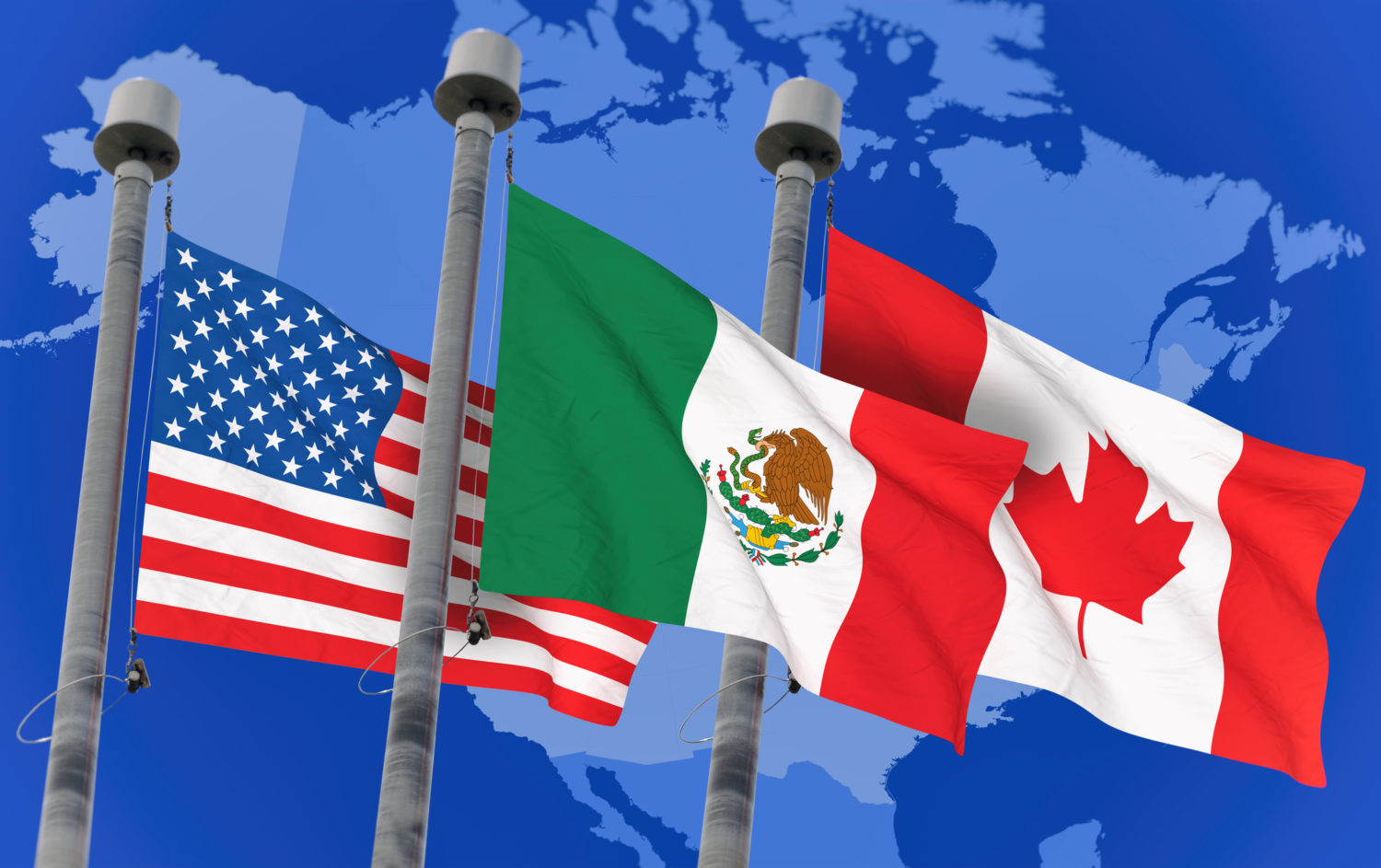
In a last minute agreement, the United States, Canada and Mexico have come to terms on the renegotiation of their tri-lateral trade agreement, now called USMCA (United States Mexico Canada Agreement). While hailed as a great victory, the repackaging of NAFTA maintains most of the integrity of the original while updating the twenty-year-old agreement to include some digital protections, labor protections and a sunset clause for renegotiation after six years. Key Changes Auto The USMCA brings new country of origin rules stating that cars must be manufactured with 75% of their components made in the US, Canada and Mexico to be eligible for free trade, an increase of 12.5% over NAFTA’s 62.5% requirement. The change is expected to reduce the import of less expensive parts from Asia and may drive up the price of cars moving out of Mexico and into the United States. Labor Quick on the heels of the auto changes, the USMCA requires 40-45% of auto components be made by workers paid at least $14/hr by 2023. Mexico is required to allow real union representation to their workers and extend protections to migrant workers, the latter of which will benefit workers from Central America. Further protections are required for women workers to avoid discrimination and hostile work environments – a definite win for the work force in Mexico. All three countries will be able to sanction the others for any labor violations that occur. Agriculture Perhaps the most crucial debate point was the opening of the Canadian dairy market to US exports. According to CNBC, “The deal includes a small reduction in protectionism for Canada’s dairy farmers. Under the new USMCA, American dairy producers will have access to 3.59% of Canada’s dairy market — slightly higher than the 3.25% they would have gotten had the US signed the Trans Pacific Partnership [TPP].” Digital Considering the age of NAFTA and explosion of the internet and digital technologies, guidelines for regulation across trade agreements have been sorely lacking. Primarily intellectual property protections have been extended from life of the author +50 years to life +70 years and a resolution that internet companies aren’t responsible for the content posted upon them. The intellectual protection extends to biologics, which are now granted 10 years of protection instead of 8, before generics are allowed. Other notable changes Investors can no longer sue governments over health or environmental limitations under the USMCA. The USMCA requires the transportation sectors to streamline the flow of cargo with digital documentation and electronic logging. A side negotiation that isn’t included in the USMCA is expected to deal with aluminum and steel tariffs that aren’t included in the original agreement. We at Nelson International will continue to monitor developments and update as they become public. Please feel free to reach out to your representative if you have questions or concerns.
President Trump orders third set of tariffs on Chinese imports
President Trump announced on Monday that the USTR will place additional tariffs of $200 billion imports from China. Set to take effect on Monday, September 24, 2018 at ten percent and rising to twenty-five percent on January 1, 2019, these tariffs will be applied to 5,745 full or partial lines of the originally proposed 6,031 tariff lines announced on July 10, 2018. After the review period that began in July, more than 300 categories of goods were removed from the original list. Helmets, safety gear, children’s play pens, car seats, highchairs, and some electronic devices, including smart watches and Bluetooth devices were among the removed items; however, President Trump has stated that further tariffs totaling another $267 billion will be applied if China attempts to retaliate to this announcement. China was undeterred by that threat and is looking at adding tariffs on an additional $60bn of US goods on the same day these new tariffs go into effect. These tariffs from China will impact 5,207 US products at a five-ten percent level as direct retaliation for the new list of items. Both the US and China have made statements that they are working to find a balance between them to halt the trade dispute, but no agreements have been reached. The United States wants to have more access to Chinese markets, and better intellectual property protections. Many retailers have no choice but to pass these costs onto consumers, which is a delicate issue as the holiday shopping season looms large over the booming US economy. Unlike the first two rounds of tariffs, which were carefully selected and scheduled to lessen the impact on US consumers, this set is expected to drive up prices on retail goods and could lead China to halt exports to the US of components necessary to many US supply chains. While some companies have started looking for new markets to fill in where cargo from China has become too expensive, the rerouting of meticulously planned supply chains will cost US companies time and money. View the complete list here.
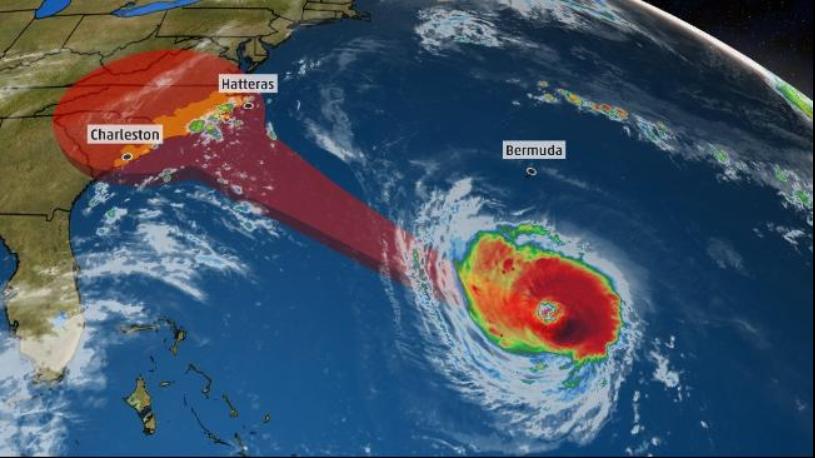
Breaking: Hurricane Florence threatens East Coast
Currently a category 4 storm, but expected to reach cat 5 before making landfall and weakening, Hurricane Florence is an impending disaster along the coast of the Carolinas. Catastrophic flooding and destructive winds are expected, as the storm reaches the outer banks and northern coast of South Carolina. The storm is expected to stall once it makes landfall this Thursday, dumping up to 30 inches of rain in places that don’t usually see flooding and storm surge damage; much like Hurricane Harvey over Houston in 2016. Over 1.5 million people have been ordered to evacuate out of the path of this destructive storm and, we cannot stress this enough, we hope that everyone in an area of possible damage complies. As of 11 a.m., the storm’s top winds were maintained at 130 mph, but the storm is expected to increase in strength later through the day. It was moving in a west-northwest trajectory at 16 mph, located about 900 miles east-southeast of Cape Fear, N.C. The Hurricane Center is calling the storm “extremely dangerous,” and predicts its maximum winds could still reach 150 mph at peak intensity, which is just 7 mph from Category 5. Some modest weakening may occur just before landfall, but Florence is predicted to come ashore as a strong Category 3 with 120 mph sustained winds. We hope to keep information flowing as to the impact of cargo, capacity, reroutes and other logistics concerns as they become available. All Naval ships that can be moved have been taken out of the Port of Virginia according to NavyTimes.com – Adm. Christopher Grady, the commander of Norfolk-based U.S. Fleet Forces, ordered all Navy ships in the Hampton Roads area to set Sortie Condition Alpha, mandating all crews complete final preparations and begin sailing from their harbors on Monday. The ships are moved so that they can immediately return after the storm and begin rescue and rebuild operations in the impacted areas. Please keep an eye on this blog as it will be updated as more information becomes available and again, we stress that anyone in a mandatory evacuation zone should absolutely comply with local authorities and services and evacuate as soon as possible. This storm is a serious concern and should be treated with grave importance. We wish everyone the best. *Header Image courtesy of The Weather Channel

Nippon Cargo Airlines begins restructuring
On July 20, Nippon Cargo Airlines received a mandate from the Ministry of Land, Infrastructure, Transportation and Tourism, (MLIT) for a Business Improvement Order after their entire fleet was grounded when an investigation by Japan’s Civil Aviation Bureau (JCAB) discovered multiple errors and omitted incidents. NCA blamed the discrepancies on an understaffed maintenance department and has engaged a rebuilding effort to resume flights by revising the scale of their fleet to match the resources available; offloading their 747-400Fs to focus solely on the 747-8F aircraft and leaning on their partner All Nippon Airways (ANA) to utilize their staff to bolster support for aircraft maintenance. We’ve been paying close attention to the situation at NCA since the news broke in June that their fleet would need to be grounded. While the spokesperson at NCA promised the fleet would only be grounded for a week or two, only two aircraft have been brought back into service as of today. Even their re-launch was hindered by a growing pile of issues discovered during the audit. Between outsourcing structural repairs and relying on help to improve their records systems, NCA has shown a desire to start from scratch, also bringing in five maintenance experts from ANA and hiring three more personnel to drive their new commitments. The brunt of the responsibility has landed on the senior executives of the airline and two unnamed senior executives will receive pay cuts while a third, Kiyohji Matsuda, SVP, engineering & maintenance, will be retired in August. The trans-Pacific trade lanes are of vital importance to maintaining a global presence for every cargo airline, freight forwarder and shipper working in a worldwide market and we at Nelson are working diligently to ensure we’re providing the best information to our readers who have cargo moving across these trade lanes. If you have any questions about how this issue can impact your cargo, we encourage you to call your Nelson Int’l representative and discuss alternatives and ideas.
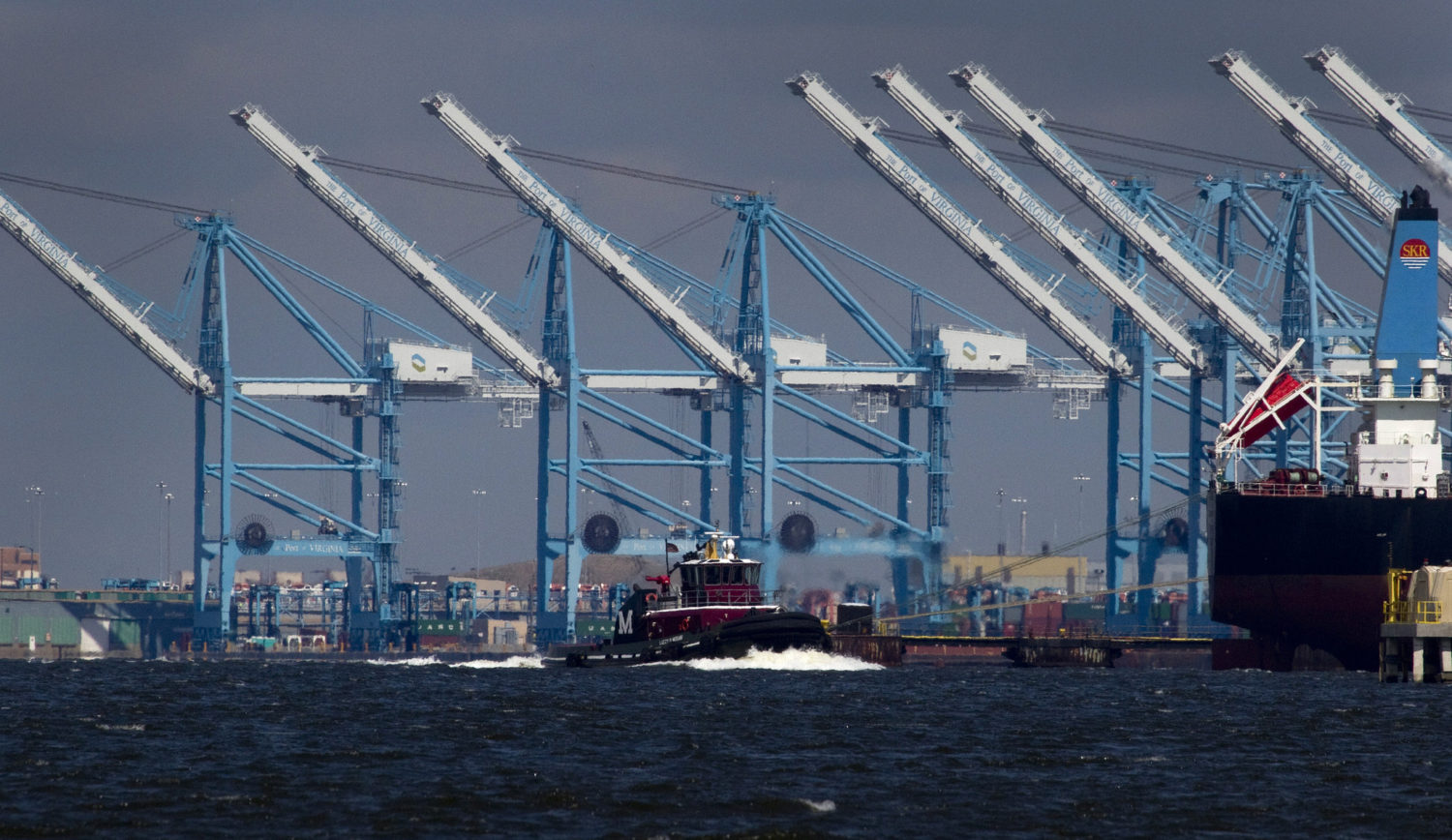
Port of Virginia begins expansion and breaks another record.
Someday we’re going to report on a year where the Port of Virginia isn’t breaking records. We’ll discuss what ways we can deploy to reinvigorate our ocean cargo and reminisce on the glory days when we were posting almost relentlessly on how grand numbers had been “back in those days”. Well, dear readers, that time isn’t here yet, because even amid all the construction, changes and expansion, the Port of Virginia is still going like gangbusters. In the fiscal year 2018, the Port of Virginia handled 2.8 million TEUs, a 2.4% increase over 2017 (which was, we remind you, a record breaking year). Despite being in the middle of a $700 million expansion, which did impact port traffic as April, May and June saw slight declines due to fewer empty containers moving during construction, the port is more successful than ever. In addition to the record breaking fiscal year, six rail mounted gantry cranes were delivered in late July. These cranes are the first of 60 new cranes that will help boost the port’s capacity to 400,000 units. Alongside the 55 foot dredge depth that was just approved by the Federal Government, the $375 million expansion is considered well underway. As these projects begin to come to fruition, the port isn’t worried that there will be delays due to construction. “This is the stage when things begin to come to life at NIT,” said John F. Reinhart, CEO and executive director of the Virginia Port Authority. “Our goal is to put this equipment to work as quickly and as safely as we can, just like we are doing at VIG. As these stacks go online, we will begin capitalizing on the new capacity and efficiency we’re creating. The end result of our effort will be new high-performing network of terminals that will attract economic investment in Virginia and spur job creation across the commonwealth.”

Update on Chinese import tariffs
On July 10th, the US Trade Representative announced the third list of HTS numbers that will be hit with penalties on imports from China. The escalating trade war between the United States and China continues to flare up around steel and aluminum manufacturers, but other sectors and commodities will also absorb the impact. Increasing prices will impact US consumers as some of the items on this list are things that are purchased directly at retailers like luggage, toys, fresh and frozen agricultural products and sporting goods. The press release is here, the proposed list and draft Federal Register notice are here. Currently, Section 301 duties of 25% only apply to this list of 818 HTS numbers and that went into effect on July 6th. Imports can seek relief through a year-long exclusion On July 6th as the 25% duties went into effect, the USTR also published guidance on how exclusions could be requested from this duty and would be retroactive to July 6th if their applications were approved. From the USTR’s announcement: The exclusion process has the following important dates and features: The public will have 90 days to file a request for a product exclusion; the request period will end on October 9, 2018. Following public posting of the filed request on Regulations.gov, the public will have 14 days to file responses to the request for product exclusion. After the close of the 14 day response period, interested persons will have an additional 7 days to reply to any responses received in support of or opposition to the request. Exclusions will be effective for one year upon the publication of the exclusion determination in the Federal Register, and will apply retroactively to July 6, 2018. Nelson International is working diligently to understand and translate these new laws and issues that are impacting so many of our customers. Though we are all stuck waiting for further information to come down the pike, we empathize with our clients in this trying time. Please continue to use us as a resource for information and guidance as we take bring and every new update to our readership. Our goal is that you remain in compliance as these issues unfold across our industry. Please don’t hesitate to reach out to our industry experts for assistance and advice.
