


This week our great sister state, South Carolina, was hit hard with flooding from historic amounts of rainfall. Our thoughts and well wishes are with them and we’d like to take a moment to discuss ways our clients can preemptively prepare for a disaster with their logistics provider. In many cases, having a good solid plan will help to give peace of mind in the event your cargo is in an area that is in crisis. COMMUNICATION The first step in your preparation is simply to talk about the emergency plans in place with your warehouse and logistics offices. Disasters happen and that’s a sad fact of life, but being prepared, insured, ready, and knowledgeable about the issues in your area can help. Determining the nature of any event can help in advance. Are you in an area of flooding like our friends in South Carolina? Is it an area that has a strong tornado season? There are a multitude of different climates in the USA that have different weather issues and understanding what can go wrong and how the local offices are set up to handle these occurrences can help ease your concerns. INSURANCE AND REASSURANCE After determining the nature of events, talk with your provider about their insurance and your liability in case of a disaster. How you need to be covered in the event of a total loss can help you determine the best way to store and move your cargo. Talk about the building, the area, the escalation of events and what safety precautions are available so you can make sure your own insurance coverage applies to any gaps or any liabilities you have. Always make sure you know you are covered. LOCATION AND ORIENTATION Once you’re covered by your insurance and you understand the nature of your provider’s plan, learn and understand the topography of the area and the ways cargo moves in and out by truck, rail, port, and plane. Will a flood cause the bridges to become unusable? Will a tornado destroy a rail hub? Having a back up plan and knowing in advance what delays you can face will help you communicate to your clients about their timelines and any back up plans they need in place in the event of a disaster or a loss. Even if your cargo isn’t affected, your timelines for shipping can be compromised and your clients will appreciate your knowledge and suggestions. CALL ON NELSON INTERNATIONAL We at Nelson International are here to talk about your cargo and shipping needs. We have a strong plan in place to prevent and mitigate any losses or delays caused by disasters and are happy to discuss ways to prevent issues with you at any time. Again, our hearts go out to the people of South Carolina and we offer support and assistance to them during this time.
CMA-CGM Adds Port of Richmond Destination
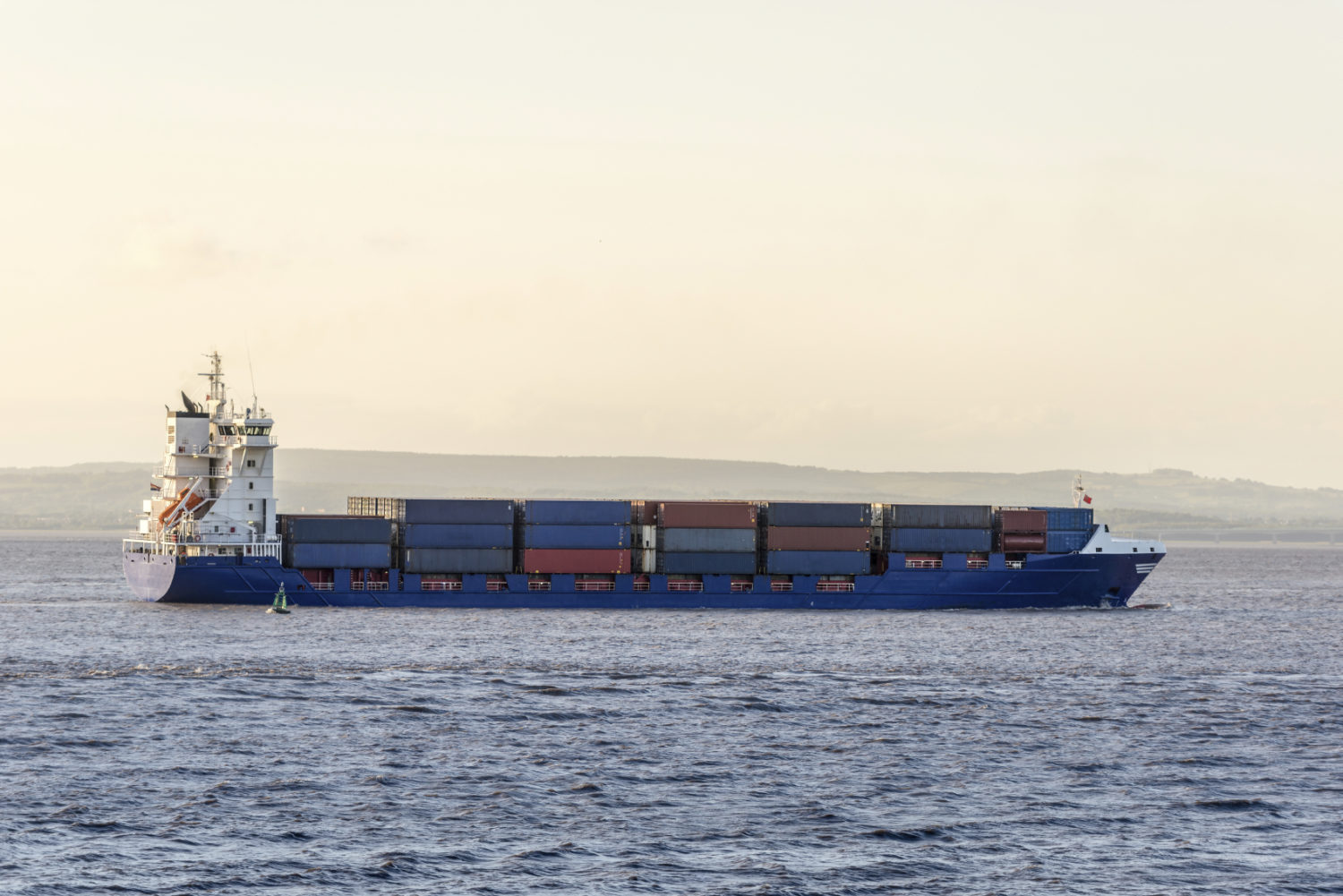
If you remember, our previous discussion focused on Norfolk’s banner year and the expansions of Southeastern inland ports from the explosion of cargo being handled there. We come back again, just a few weeks later with another great announcement; CMA CGM agreed with the Port of Virginia to add the Port of Richmond as a destination for cargo booked on their ships. The Port of Richmond is 90 miles up the James River from the Port of Norfolk and serviced by barges at a 121-acre facility south of downtown Richmond. The rail facility offers more than 1,500 feet of wharf with 22 feet of draft and 300,000 sq.ft. of warehouse space. The barge service currently moves three days a week, but that’s expected to grow as more cargo moves thought the port by CMA-CGM. The Port of Virginia’s lease ends this year and it’s working on renegotiating a longer term lease with the city, hoping that the longer lease term will instigate deeper investments in the facilities available. Considering the current strength showing in all Southeast ports, including the powerhouse of Norfolk, the state of Virginia has an incredibly bright future. Nelson International remains strategically placed in Norfolk and excited about the new CMA-CGM offering at the Port of Richmond. With the new inland ports being opened around us and the busy pace at Norfolk, we are at a hub of import and export commerce. We’re excited by the pattern of growth in our area and stand ready with cargo and freight solutions to utilize each of these new benefits for our customers.
Southeast Inland and Seaports; Norfolk’s Banner Year!
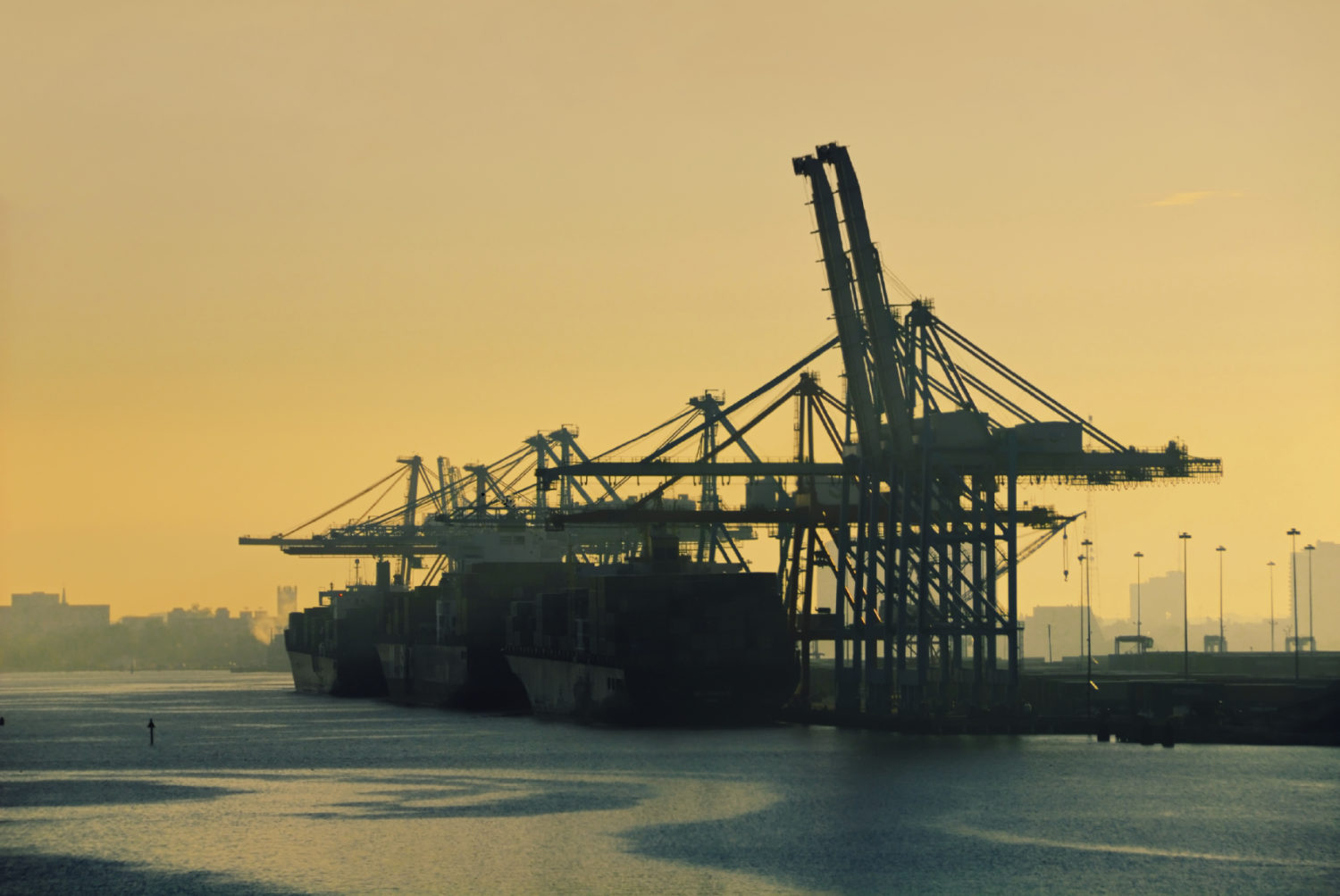
The Port of Virginia handled 226,000 TEUs in July which is 9% higher than any other July in the history of the port, Virginia Port Authority Chief Executive Officer John F. Reinhart confirmed. This also includes a marked increase in trucking and rail cargo, which in July were up 6% and 15% over 2014, respectively. The port has handled 1.47 million TEUs since January 1st and it’s expected to continue to outpace previous years as retail season begins and numbers continue to climb until November. The Southeastern ports in the US are currently the fastest growing in the country, while also paying special attention to expanding their reach by intermodal, to give shippers the bonus of avoiding some trucking costs and capacity shortages that are plaguing the west coast ports. Because of their current success, both Georgia and South Carolina are planning to build more inland ports. The boon from inland ports comes from local industry that feeds the inland port, which in turn funnels the traffic down to the port of export to load on a vessel. With a strategically place inland port, containers and truck traffic are reduced at the shipyard and the flow of goods in and out are organized away from the vessel, making time and cost savings a priority. Earlier this year, the Virginia Port Authority commended the inland facility’s performance, promising to make this a template for future growth in other areas of Virginia. Port officials assessed capacity and capital at the inland port to consider plans for upgrades. Cutting down drayage costs and minding the clustered hubs of logistics providers including Nelson International, inland ports are minding a highly specialized part of the shipping process with little waste. In Virginia, South Carolina and Georgia, they’re becoming so successful that more inland ports, further up the east coast are planned to funnel more goods down south. The south is unique in that it suffers less stoppage due to winter weather. We can help monitor shipments in your supply chain and determine your need for an inland port that serves your preferred port of loading, saving you time and money on shipments. Utilizing the boom of the Southeast and the coming changes in inland moves is our passion when creating shipment solutions. Nelson International is strategically placed in Norfolk to reap the benefits of working with a world-class port and rail system for all our client’s needs.
Port of Virginia news – growth, expansion and congestion.
With the labor issues on the West Coast, the East Coast of the United States saw growth in the first quarter of this year. In fact, the East Coast actually outpaced the West Coast in containerized cargo 48-44 percent, respectively. The remaining 8% went to Gulf ports. Here in Virginia, we were fortunate enough to see year-on-year growth of thirteen percent from May, 2014, to May, 2015, coming in with a total of 230,511 TEU’s. The 87,455 truck moves represented a nearly 22 percent increase. While the increase in truck moves is welcome, the cascading effect here is additional congestion and delays in getting cargo turned into and out of the terminals. We as a community are working to find solutions that involve better communication and scheduling. The port is also developing a new pad for container stacking rail-bound containers at the Virginia International Gateway. There are also an additional 1,000 chassis slated for addition to the port pools. Perhaps the greatest opportunity is that the Port Authority, along with the U.S. Army Corps of Engineers, have signed an agreement to share the cost of a feasibility study for deepening the harbor. We already have a 50-foot channel, but are looking to dredge to 55 feet. Ports up and down the East Coast are competing for the potential calls that will accompany the larger vessels that will be able to pass through the Panama Canal when the third set of locks opens in early 2016. The deepest draft ports will allow vessels to arrive and depart fully loaded without having to worry about draft restrictions that could otherwise reduce efficiencies. Nelson International has a good working relationship with officials here in Norfolk and we are eager participants in bringing more cargo into and out of the Port of Virginia.

Individual liability now a possibility for importers violating Customs laws
A decision by the Supreme Court of the United States to not hear the case of an importer held personally responsible for false entries means that a lower court ruling stands. A whole class of individuals can now be personally at risk of prosecution by Customs and Border Protection. In the case U.S. v. Trek Leather Inc. and Harish Shadadpuri, the U.S. held that seventy two entries had deliberately misdeclared valuations. Customs pursued action against Mr. Shadadpuri, but he claimed that as president and sole shareholder, he was not the importer of record, Trek Leather was. The Court of Appeals for the Federal Circuit (CAFC) felt otherwise, ruling that they did not need to pierce the corporate veil to hold him personally accountable for gross negligence. What this means is that CBP, with the precedent now set by the CAFC, can pursue remedies both civil and criminal not just against a company, but against a specific person or persons who they feel were involved in causing goods to be entered with errors. You would assume this would only be used in the most egregious of cases, but there is nothing to preclude CBP from using it whenever they choose. Who is now at risk? Import managers, compliance managers, corporate counsels, even business owners themselves…anyone whose job responsibility or description includes “introducing goods into U.S. commerce,” whether defined as such or not. Importers and individuals in their employ are strongly encouraged to consult with both their attorneys and liability insurance carriers to ensure that safeguards and policies are in place to protect individual employees, owners, officers and directors.
Port of Virginia numbers ahead of last year in spite of weather, congestion
We wouldn’t know it by the days of shut down, but the Port of Virginia is running 7.3% ahead of FY 2014. Back-to-back snow storms brought closings and the bitter cold of February froze productivity at the port. While the port handled 178,105 TEUs this February, the actual month saw a decline of 1% under last year. There are few in logistics that’ve not been directly affected by delays and stoppages because of weather conditions. The rail shut down, the port closed and yet it’s a banner year for TEUs. Cargo volumes are trending higher on the East Coast, partly due to West Coast operational issues, and the weather can’t seem to stop that. The Port of Virginia lost $560,000 in February when it shut down for four days. Their budget planned for $288,000 in operating loss, but the snow removal and lost productivity effectively doubled that amount. While rail transport was halted, 7000TEUs were stopped, shipping in the first days of March, instead of at the end of February as originally expected. Truck volumes are up 4.4% despite the weather, which is logical considering extreme rail congestion shut down Norfolk while the storms raged. Expectations state that the port should return to normal working conditions throughout March and resume the standard monthly volume as the weather improves. Cargo is trending higher and as weather becomes less of a pressing concern, service level should return to their former place.
As eyes look worriedly westward…
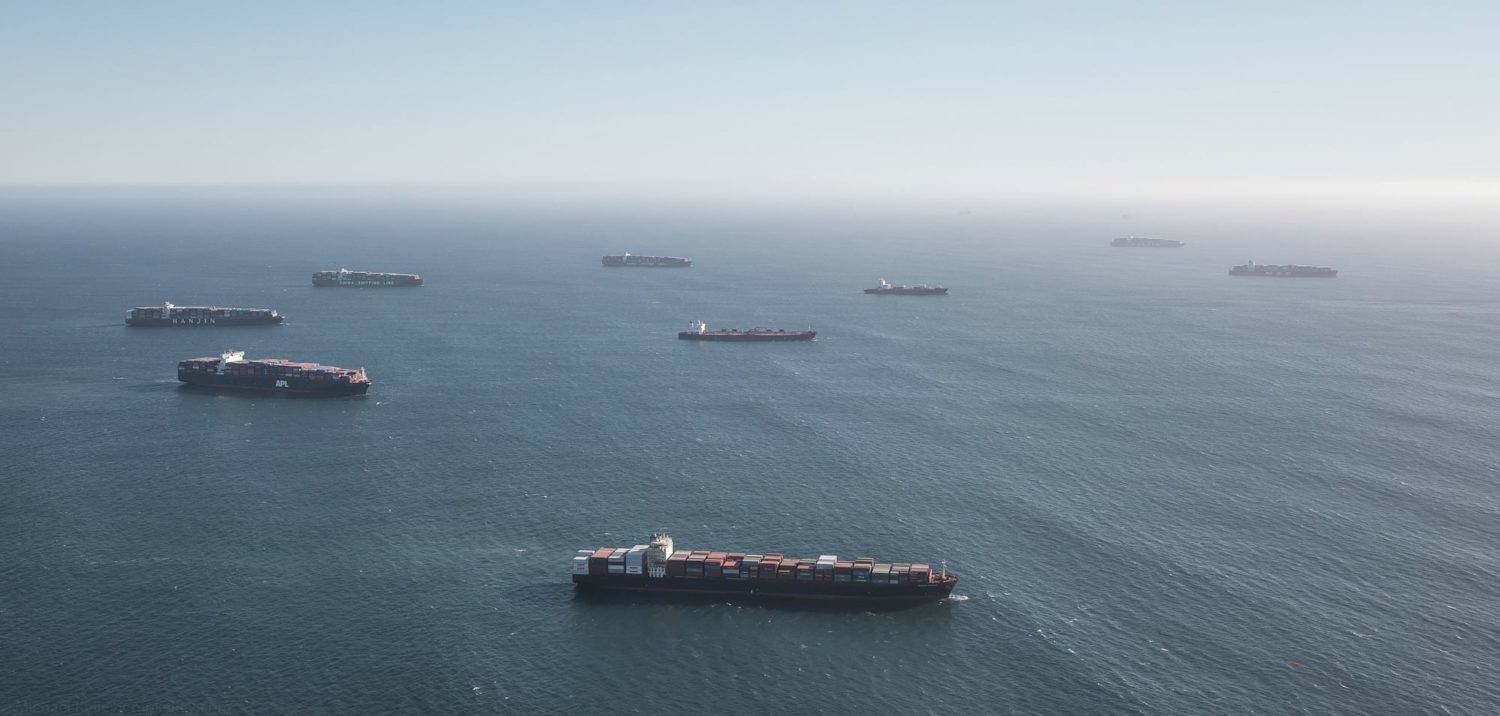
The situation between the PMA and the ILWU has reached, what many consider, to be the breaking point. After working more than nine months without a contract, the PMA this week announced that they do not plan to order longshore labor for four of the next five days, including today. By not ordering labor at the expensive weekend and holiday rates for Lincoln’s Birthday (today), the weekend and President’s Day (Monday), they are sending a clear signal to the ILWU that their last offer is their last offer. To the credit of both sides, they kept it out of the press for far longer than anyone figured they would. But with the PMA claiming work slowdowns and citing figures of the number of lifts per hour on average and documenting how those lifts have declined, they are making their point to the trade. There has also been no shortage of pressure on both sides, as well as the White House and Congress, to bring this stalemate to an end. Agricultural exporters are losing opportunities and experiencing spoilage, railroads are seeing declines in productivity for both intermodal and carload traffic and truckers have declared force majeure because they are facing thousands of dollars in charges for the late return of containers and chassises. The only people to have seen a boon to this point are airlines who have pointed to stronger than expected loadings because companies who have relied on sea freight for their supply chains have resorted to the far-more-expensive alternative to ensure the on-time delivery of products for holidays or J.I.T. clients. We have also seen rates for East Coast discharging cargo on the rise, with one trade publication claiming that some rates from the Far East on all water services have reached as high as five thousand dollars for a 40′ container. We want to thank you for your patience and understanding as we do everything in our power to move your cargo to and from the United States given the situation on the West Coast. We will continue to use our years of experience to make sure that we use every avenue at our disposal to keep delays and problems to the utmost minimum.

The “single window”, coming by December, 2016.
In February, President Obama issued an Executive Order that required all federal agencies who participate in the import and export process to be on the same platform by December, 2016. The program’s full name is the International Trade Data System, or ITDS, but it’s more popularly known by the short phrase, “single window”. As you might imagine, trying to get more than one agency in the government to collaborate on a project is nigh-impossible. Try pulling together forty-seven agencies, which is the vision of this program. As you might expect, there are many levels of technology that need to be evaluated, integrated (if and where possible) and tested to make sure they function, both inbound and outbound. CBP knows this will not happen without keeping the trade informed every step of the way what they are doing and how they are progressing. To that end, CBP took to the internet to explain it on Medium. In a four-part series written by a representative of the Department of Homeland Security, shippers who interface with the government for import and export processes will find the history and planned deployment of interest to them. Part I: Introduction Part II: Highlights of the Executive Order Part III: Implementation of the Executive Order Part IV: Implementation Priorities for 2015
To (sur) charge or not to (sur)charge – that is the question.
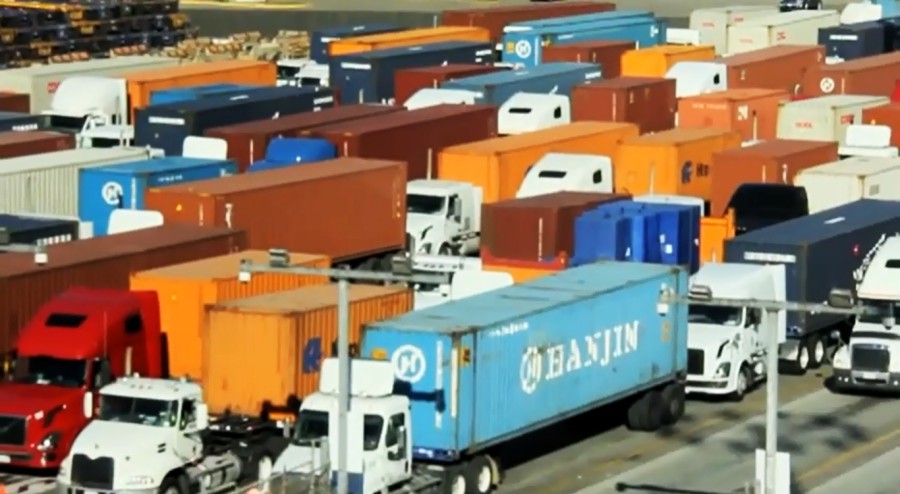
With congestion on the West Coast showing no signs of abating, carriers have attempted to recover their costs for this congestion through a series of on-again, off-again surcharges. They are of the mindset that the combination of a surge in imports, chassis problems and the lack of a contract between the ILWU and the PMA leading to coastwise slowdowns means that they need an extra $1000.00/FEU to offset their losses. What they seem to have forgotten, however, is that they’re not the only ones suffering. Businesses around the United States who are unable to get their imports off the pier and their exports out of the country are similarly affected, and charging people extra for the privilege of feeling worse strikes a sour note with shippers. Take the case of a business owner in Indiana who went so far as to post a sign in front of his movie theatre, placing the blame squarely on the PMA and ILWU’s lack of a contract for the reason he couldn’t complete renovations to his movie theatre, costing him potentially hundreds of thousands of dollars in lost revenue. Shippers are also finding themselves having to turn to air freight at a time of year when those rates are already astronomical, adding millions of dollars in additional transportation costs to their bottom lines and having to divert otherwise ocean-planned cargo for a the far costlier modality. This past week, the Transportation Stabilization Agreement apparently got the message from shippers, trade groups and the FMC that imposing surcharges with less than 30 days notice was not only unpalatable, but potentially illegal. Their remedy? The tried and true General Rate Increase for the same $1000.00 with a scheduled effective date of December 15th. At a time when it appears the economy is coming back and inventories are being restocked and there is a resurgence in global trade, there couldn’t be a worse confluence of continuing events that seek to squash these gains at a critical point in the recovery.
West Coast Congestion News Roundup
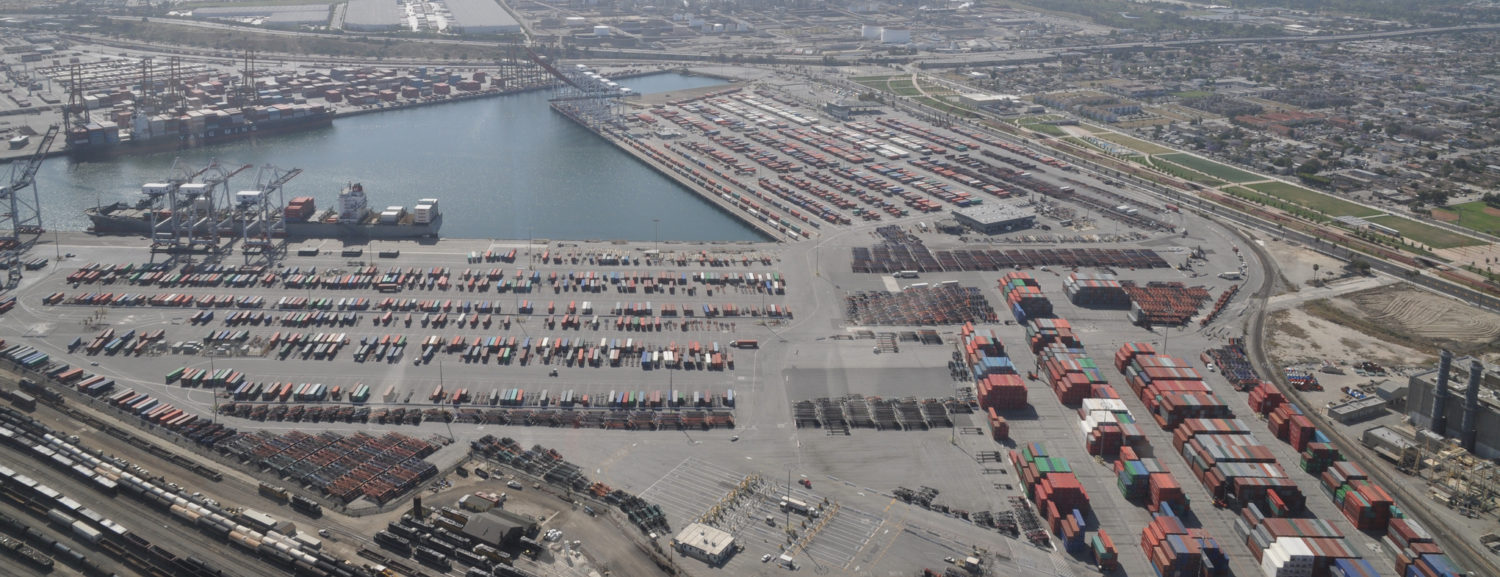
While we wish that there was more news that we could focus on, things have gotten so utterly ugly along the West Coast that we feel it best to provide our clients, agents and business partners with the best information that we have available to date on what is happening up and down the West Coast. Carriers announce congestion surcharges of $1000/FEU. Several steamship lines have announced that they are going to impose congestion surcharges for cargo already in their possession. This is not something that is generally accepted as a legal and permissible practice, which is why late on Friday the FMC said they were looking into the matter. Mode shift underway from sea to air freight at significant cost to retailers. Despite having written both sides in the dispute to express the urgency in concluding a contract that is months overdue, retailers find themselves in the unenviable position of having to air freight, at great cost, not just the hot, holiday Black Friday items they anticipated selling, but regular inventory as well since delays to get containers moving are averaging seven to ten days. Work slowdowns spreading from Seattle to LA/LGB, Oakland refusing work. Some carriers were redirecting ships and cargo from Seattle and Tacoma, where the number of containers handled dropped from 25-30 an hour to under 20 per hour (as calculated by the PMA) to Oakland for the sake of productivity. Well, SSA Terminal in Oakland was shutdown by dockworkers on Friday over a dispute in how the labor was ordered. Until there’s a new contract, it will keep getting worse. There is little more to say. Senators on the West Coast wrote both sides to demand the contract negotiations be concluded; retailers and trade groups are even now writing the White House demanding that federal mediators be dispatched. The fact of the matter is that as we move into the heart of the Q4 shipping season, things are not improving, and will likely worsen before they get better.
