

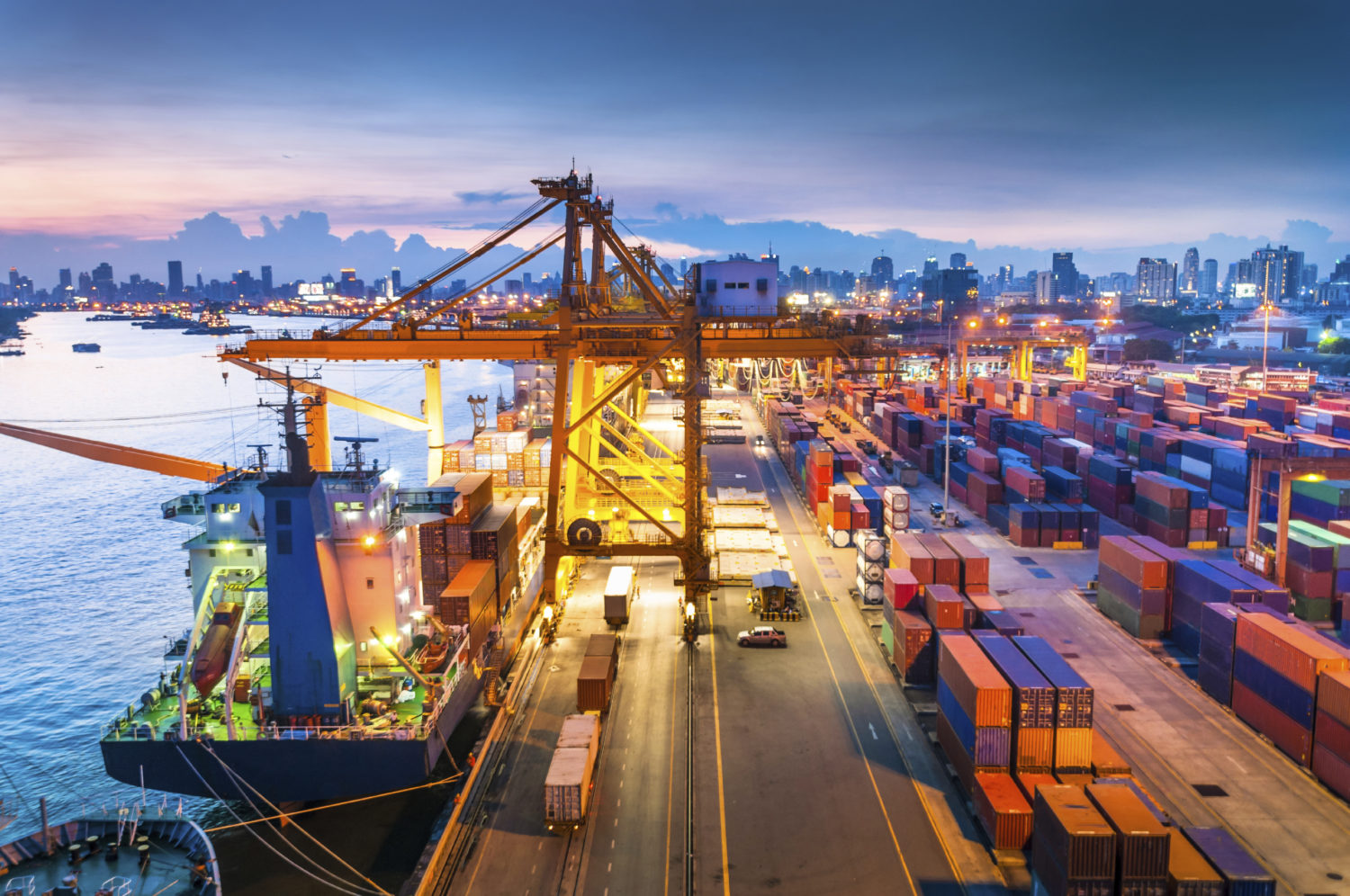
The US Coast Guard has been asked to re-clarify its position on the SOLAS weight mandate for containers after Rear Admiral Paul Thomas said the rule was a commercial matter and not a regulatory decision. Considering the rule takes effect on July 1st 2016, the sudden confusion caused a flurry of speculation at the JOC’s annual TPM conference on March 2nd. This changes the obligation shippers have and confuses whether or not a shipper is bound to provide the VGW for containers. “It is disingenuous and factually incorrect for the Coast Guard to suggest that relieving shippers of their regulatory obligation will not fundamentally undermine the effectiveness of the SOLAS container weight verification requirements. It is not possible to have it both ways,” WSC President and CEO John Butler wrote to the Coast Guard. “SOLAS places no legal obligation on the shipper. It places a legal obligation only on the vessel subject to SOLAS. So if you need to meet that obligation by working on a better business practice with your partners, that’s where you need to focus,” Thomas said. He told the TPM audience that the Coast Guard believes shippers are in compliance with SOLAS and that the Coast Guard doesn’t need to impose changes or enhance its enforcement. Thomas’s claim that the Coast Guard won’t apply SOLAS regulations to marine terminal operators further confused the issue. The Agriculture Transportation Coalition has recently issued a statement clarifying the USCG position on its behalf, “Not only is his conclusion logical, but it is consistent with the position being taken by other countries, including Brazil.” This is an on-going issue that Nelson international is following closely and will provide more information to our readers and customers as it becomes available. If you have any questions or concerns, please contact us.
Bunker Reductions Have Container Ships Changing Course
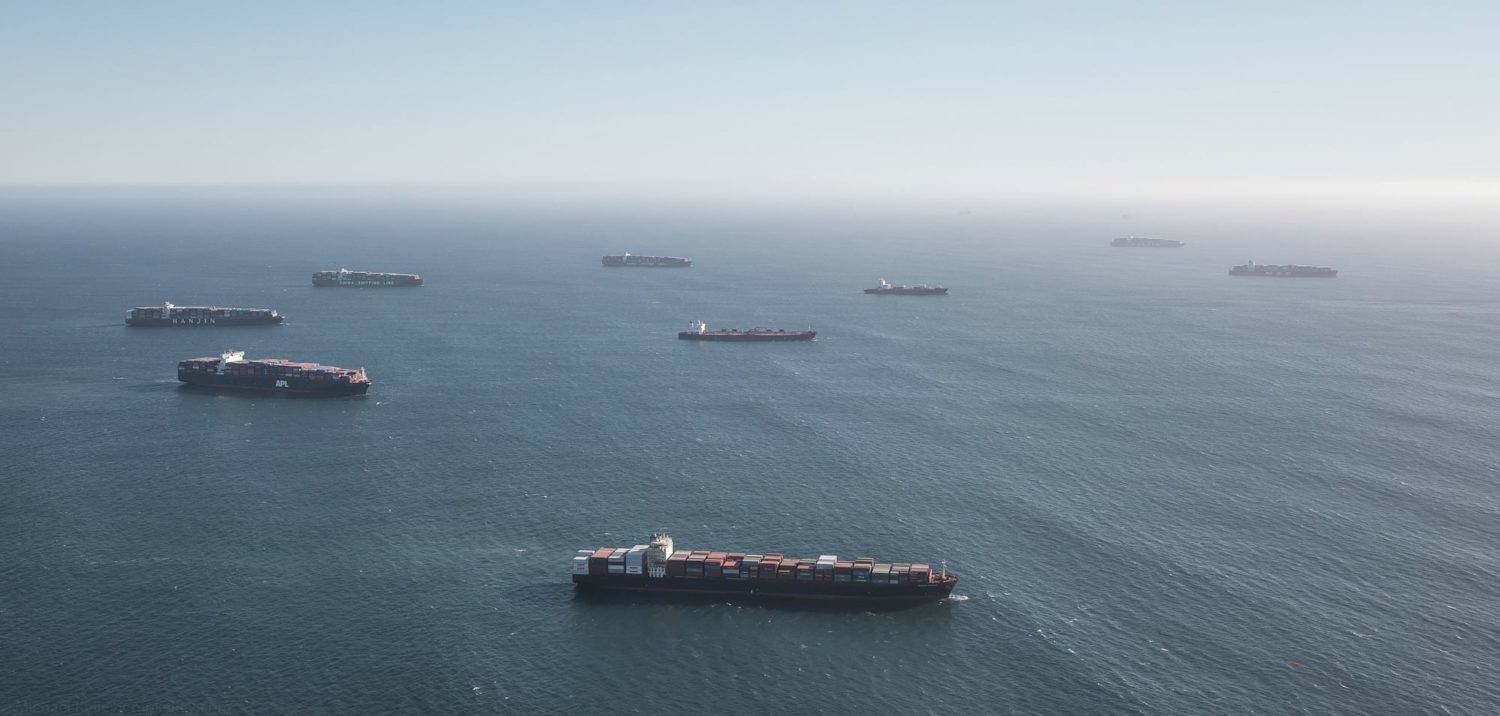
As the bunker surcharge drops, some shipping lines are rerouting their vessels to move around the Cape of Good Hope instead of voyaging through the Panama and Suez Canals. Carriers offset the distance by speeding up the ships so transit times aren’t suffering. Even a faster ship, sailing further, is saving money by not paying the fees from the canals. Sailing around the Cape of Good Hope to Asia from the U.S. East Coast adds an average distance of 4,400 nautical miles if ships avoid the Panama Canal and 1,500 nautical miles for those avoiding the Suez Canal. Typical speeds on a return trip via panama average 12.9 knots (13.7 knots via Suez) and those speeds would increase to 18.6 avoiding Panama and 15.7 avoiding Suez to maintain the schedule. The savings, according to the February 14th issue of SeaIntel Sunday Spotlight, could range from $2,541 to $421,217 depending on the shipping line, ports of call, and capacity. Another bonus comes if services slow to accommodate the distance and lower speeds; the current over-capacity and port delays can be significantly eased as the flow would lose approximately 60-80 vessels. As these issues develop, Nelson International is here to find the best routing, price, and transit for your cargo into and out of Asia. We’re excited to see how this affects our growing port in Virginia and the increasing cargo loads. Reach out to us with any questions or concerns and we can help.
Longshoremen Walk Out in New York
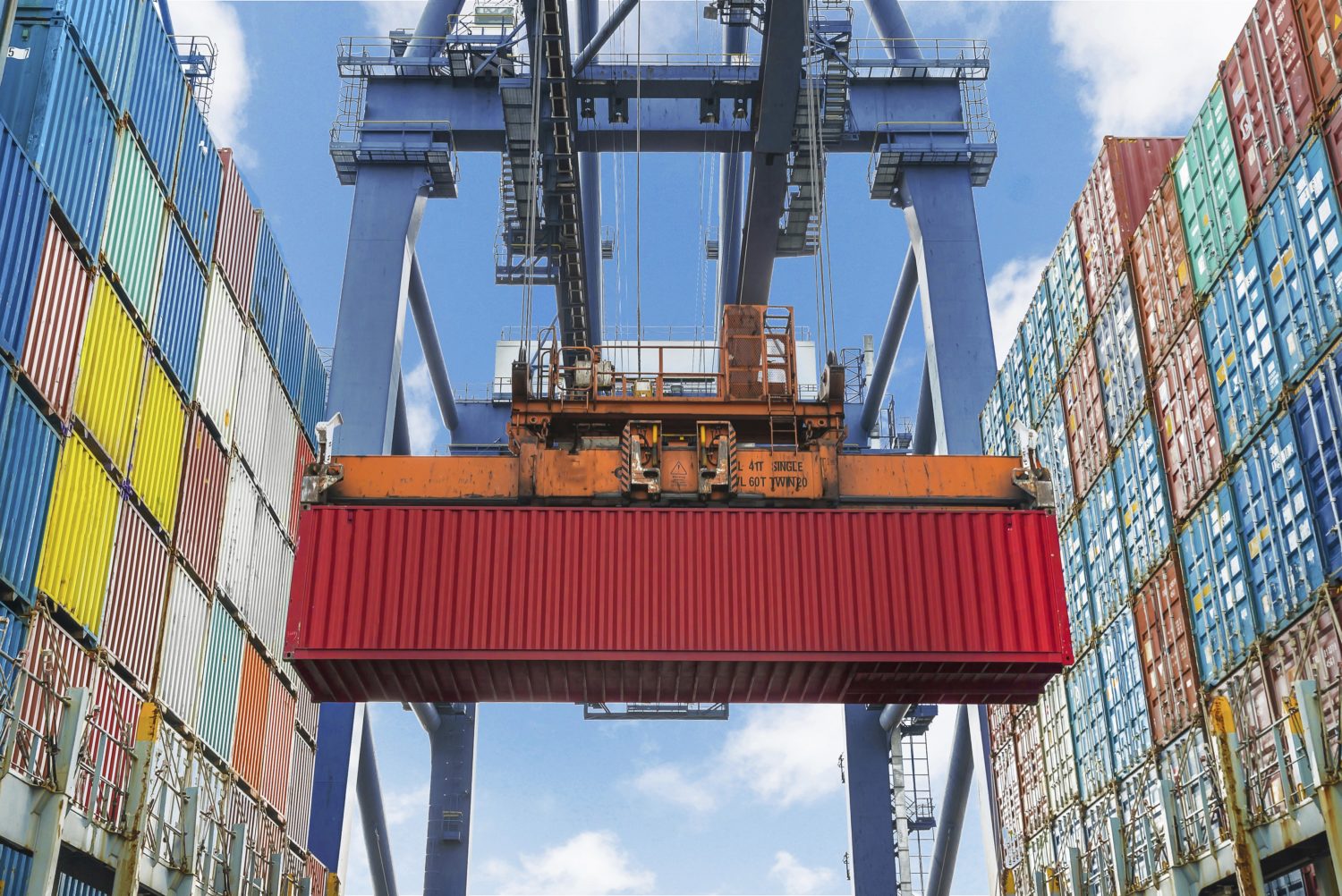
On January 29th at 11AM EST, one thousand longshoremen at the port of New York walked out, violating the no strike provision of their contract, and effectively halting operations at the third busiest port in the United States. Citing the interference of the Waterfront Commission in their collective bargaining agreement, the longshoremen have returned to work giving more confidence back to shippers with cargo pending at the port. Coming on the heels of a difficult year on the West Coast, shippers are intolerant of shut downs and work stoppages that occur due to labor disputes. Diverting cargo is a costly and painful process that many shippers using the Port of Los Angeles and Long Beach discovered recently. This is, actually, one of the reasons the ILA and United States Maritime Alliance has started talks regarding the expiration of their contract in 2018. In an attempt to prevent the issues faced in 2014 and 2015, the East Coast ports want an amicable solution in place well in advance. We at Nelson have a super weapon against those large port issues here in Virginia. As expansion continues in the Port of Virginia, in preparation for the Post Panamax vessels, we have a way of diverting our cargo away from those hot button ports and into a more stable location. Labor and weather issues threaten every segment of our business and there will always be situations beyond our control. What we learned from last Friday is that we are in a great strategic location to minimize the delays that can surface at any moment. As our port continues to grow, we will set the bar for efficiency and expedience.
Virginia Looks to Become a Sister Port to Mariel, Cuba
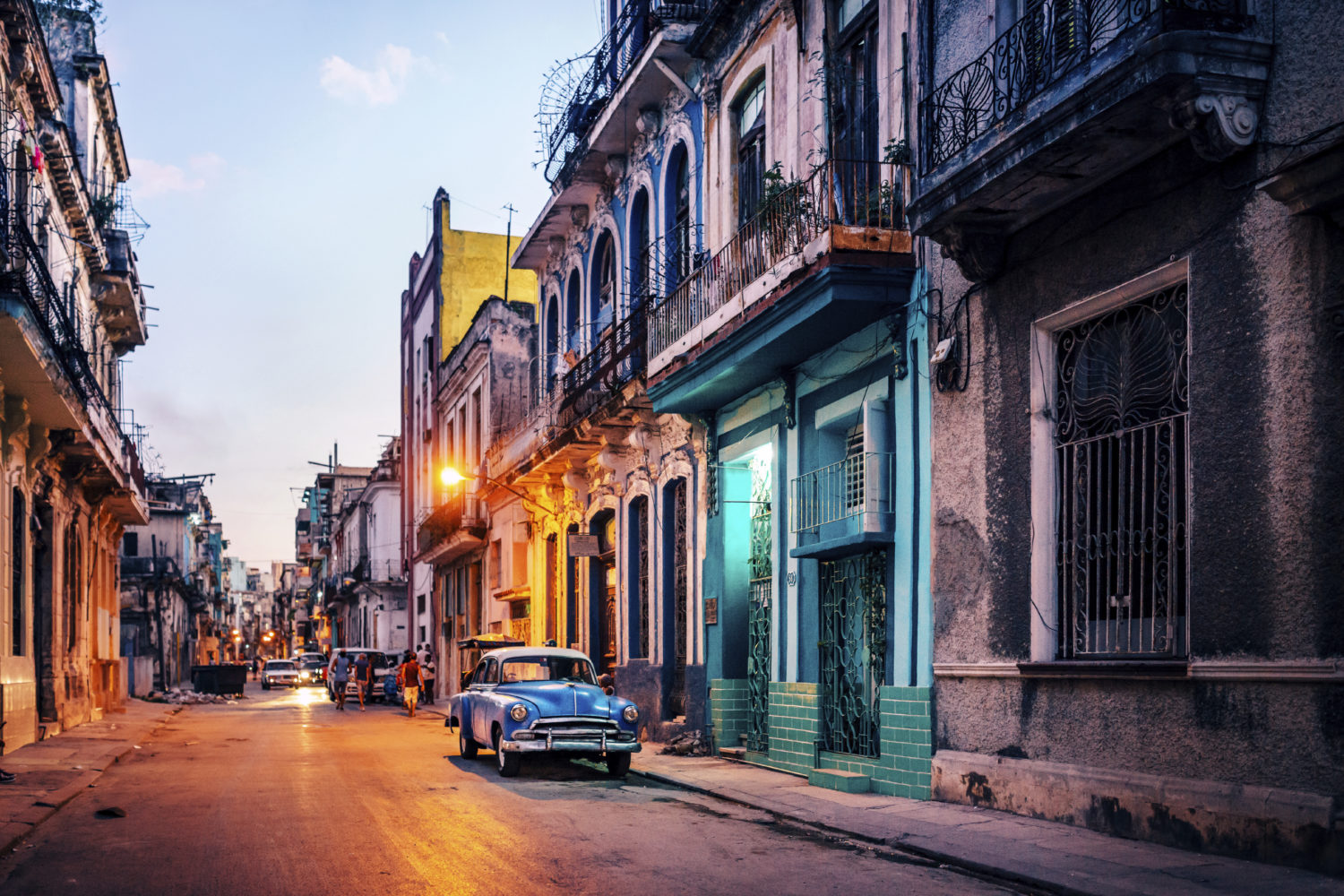
The Virginia Port Authority plans to enter an agreement to become a sister port with the Port of Mariel, Cuba to enhance trade between the two. Virginia Governor, Terry McAuliffe spearheads the idea of linking the ports, working tirelessly to support Cuban trade relations with the Port of Virginia and end embargoes to create more jobs and economic opportunities for his state and the US as a whole. Coming on the heels of the July 20,, 2015 decision to reopen Cuban and American embassies, the trade lanes are growing and this decision will strengthen Virginia’s agribusiness since Cuba imports 80% of its food. As a sister port to Muriel, we expect to have a greater flow of goods between the two countries as the governor looks for new commercial opportunities in Cuba. In order for trade to flow freely, Congress will need to lift a 50 year embargo and trade laws will have to grow from there. It is our expectation that Cuba, upon the reduction of sanctions and further growth in their private sector, will become an instrumental port and point in the global trade lanes to Latin America. However, it is important to remember that as we move forward with Latin American trade, with Cuba as what can only be described as a new frontier, laws and regulations will be constantly changing and updating to bring the lane up to speed. There is incredible opportunity coming to Virginia, with caveats, considering laws will be made as goods are moving. Virginia looks to be at the helm of this growth, considering the port and infrastructure upgrades currently in progress. Nelson International is at the forefront of the market and we remain steady and available to assist you in this groundbreaking endeavor.
Infrastructure Improvements Coming in 2016
On December 26th, the largest containership, the CMA CGM Benjamin Franklin, called on Los Angeles, CA. With a capacity of 18,000 TEUs the Benjamin Franklin is the first megaship to call on a US port. Up to this point, megaships carrying 18,000 containers or more have been used exclusively in Asia-Europe trade lanes. Now that the CMA CGM Benjamin Franklin has proven workable in Los Angeles, others will quickly follow. East Coast ports are rapidly trying to improve infrastructure to accommodate these megaships and the Post Panamax ships that are deploying in 2016. Containerships that carry 18,000 or 20,000 TEUs place extreme stress on US ports, beyond the depth necessities and berthing standards. Portside and landside services have the potential to become over-congested, bottle-necked or altogether paralyzed at the arrival of so many containers at once, and though the vessel can theoretically fit into the port, the strain may be overwhelming. Due to the increase in ship sizes expected, the Port of Virginia received new conveyance equipment for both the port and rail yard. The Port of Virginia is also the only port on the East Coast that has federal authorization to dredge to 55 feet. The Port of Virginia also benefits from the Norfolk Southern rail that flows directly to the Midwest and is adding warehouse space in neighboring cities to accommodate the Virginia Inland Port and the Virginia International Gateway. As shipping on the East Coast ramps up in 2016, Nelson International is poised in one of the fastest growing places to assist you with your shipping needs. We eagerly await the improvements and advances coming to our area and our industry.

Port of Virginia Expects to Exceed 2.5 Million TEUs for 2015
Port of Virginia surpassed 200,000 TEUs for ninth consecutive month and expects to exceed 2.5 million TEUs for 2015! We’ve been watching the Port of Virginia for the last several months as though they’re an underdog in a championship, which, in many cases, for logistics professionals, they are. Consistently a strong player in the ocean cargo map, the east coast ports and especially the Port of Virginia have had a sweetheart year. The Los Angeles and Long Beach ports started the year rough, in what we can call a rebuilding year, focusing on recruitment and management changes to regroup from the labor issues that proved calamitous in 2014 and the first quarter of 2015. While we have a long way to go to catch up to the giants on the West Coast, there’s no denying that 2015 has been the year of the East Coast Port. The nine month labor issues crippled the LA/LB ports and allowed Virginia and Savannah the all important capture and retention of business that couldn’t be handled. In the first half of 2015, U.S. imports broke the 10 million TEU mark for the first time since at least 2005. Imports hit 10.2 million TEUs in the first six months of 2015, up 5 percent from 2014’s 9,700,200 TEUs. As Virginia, Georgia, and Miami all move into 2016 with a strong investment to meet future demands, including the PPMX ships and expanded infrastructure that increases efficiency and capacity, we may very soon see the titles change hands. Savannah is right now the fourth largest port in the US, while Norfolk is currently 6th, though we won’t have a year total for a few weeks. Regardless of where we find ourselves after the All-Star Holiday Break (Christmas & New Year), the ports of the East Coast are champions to us. We at Nelson International cannot wait to see the amazing expansions coming in 2016 and of course wish you and your family a safe and happy holiday season! Merry Christmas and Happy New Year!
Port of Virginia will Allow Direct Billing to BCOs for Chassis
Starting January 1st, the Port of Virginia’s chassis pool will roll out a new system that allows BCOs (beneficial cargo owners) direct billing thereby removing truckers and ship lines out of the billing process. The Port of Virginia will be the first in the US to use the direct billing system, called ChassisManager, in the same way as it was the first in the country to implement port-wide container pools. In the case of chassis pools the port authority has said that by deriving billing rules from gate-move and shipment data, the new system will provide all parties with an accurate visibility of chassis movements. “As the chassis provisioning model has evolved over the last few years, the freight owners’ needs have not always been accommodated,” said Art Ellermann, GM of HRCPII. “By being able to track and bill chassis to the accounts of the beneficial cargo owners, the Port of Virginia serves them better and makes the entire chassis billing cycle more efficient for all.” ChassisManager will give BCO’s the ability to work and view their own activity and see the billing events and usage before actual invoicing in hopes of cutting down errors in bills. By giving BCOs better control, mistakes and inconsistencies should decline. “Pooling chassis for common use at the Port of Virginia has generated significant efficiency gains of the last decade,” said John F. Reinhart, the Virginia port authority’s CEO and executive director. “Offering BCOs the option to take control of their chassis usage and manage the associated costs is an important step in this progression.”

Port of Virginia Seeks $350 million to Expand
The Port of Virginia is ending one of the best years it has ever had in 2015 and they’re ready to make sure the next one is even better. When the Virginia State General Assembly reconvenes, the port will lobby for $350 million in upgrades. The upgrades will ensure the terminal can handle the enormous cargo ships coming from the expanded Panama Canal. $350 million is the largest single request ever made by the port and will be part of a grand infrastructure funding plan by Gov. Terry McAuliffe. “You can’t say you want to be the No. 1 port on the East Coast or the nation and not invest in it,” said Virginia DOT Secretary Aubrey Layne. “The money would go toward upgrades like new cranes at the Norfolk International Terminals, allowing it to handle about 400,000 additional containers every year,” said Joe Harris, spokesperson. The post-Panama expansion has all east coast ports spending heavily to prepare for the massive ships and increase in cargo. Without a solid expansion, the Port of Virginia stands to lose 4.5 million TEU’s by 2040 to other, more competitive ports. “If I’m sitting across the table from a group of legislators and they’re quizzing me about how prudent it is to spend money on the port, I have got to be able to say we will handle it efficiently, effectively and profitably,” Chairman John Milliken said. As 2015 was the first solidly profitable year since 2007, with a net profit of $13.6 million, this appears to be the best time to heavily invest.

Port of Virginia Delivers First Sustainability Annual Report
The first sustainability report from the Port of Virginia has arrived and it shows their environmental compliance record is one of the best in Virginia. There hasn’t been a regulatory violation recorded since 2001. The initiatives that are high-lighted in the report include Operation Green Program, where the port and partners are offered incentives to focus on safety and the environment by maintaining a recycling program for metals, tires, cardboard and paper; using biodegradable oil and upgrading the tugboat engines in the James River Barge Service. “We’re very proud of our Green Operator Program, designed to incentivize and introduce clean diesel and alternative fuel technology into all transportation modes and cargo-handling equipment,” port spokesman Joe Harris said. “In its seventh year, the program has removed over 400 older dray trucks from the roadways. “Additionally, with funding from the U.S. Environmental Protection Agency, we purchased three hybrid (electric) shuttle carriers for the Virginia International Gateway. We’re proud of our commitment to our waterways as evidenced by our recognition by the Elizabeth River Project’s River Star program for sustained distinguished performance.” As 2015 winds down, the Port of Virginia finds the end of a record breaking year as they’ve handled 2.5 million TEU’s while reducing waste and emissions across the board. The annual sustainability report will be a benchmark for next year and a consistent, visible tool for guidance and measurement as the port continues to grow in years to come. According to Joe Harris, “The early part of last year was difficult. The snowstorms created a significant challenge, but we learned a lot. We asked for input on ways to improve from partners and stakeholders; made critical fiscal decisions based on a plan of action; executed the plan and were transparent in the process. We are on solid ground right now and are far more nimble than we were at this time last year. We learned from our experience, and that is what is important.”

Another Record Month for the Port of Virginia
In a record setting October, the Port of Virginia handled 233,466 TEU containers, making it the single busiest month ever and the eighth straight month with volumes over 200,000 TEU’s. The previous record for a single month at the port was set in May of 2015 with 230,511 TEU’s. October shows an increase of 5.6 percent from 2014 in year over year measurements. Rail units increased 9.3 percent; truck volume rose 3.9 percent; breakbulk tonnage climbed 26 percent; and vehicle units were up a massive 217 percent. Through October, the port’s TEU volume is up 8.5 percent, or 167,761 units, ahead of 2014 figures. While Virginia is the first major U.S. East Coast port to report October container volumes, the East Coast ports overall gained containerized import market share last month. The East Coast’s share of U.S. containerized imports rose to 44.81 percent in October from 43.06 percent in September as the West Coast’s share slipped to 49.73 percent from 51.41 percent. When port authority CEO John F. Reinhart took office in early 2013 he vowed he would work to address operational issues as a priority. The increase in volume is evidence of the success of that endeavor and his perseverance. “We have to maintain this level of productivity as we begin to push for further improvements,” Reinhart said. Programs that are already under way, including Norfolk International Terminal’s new north gate, “Will push the needle toward greater productivity and service capability.”
