

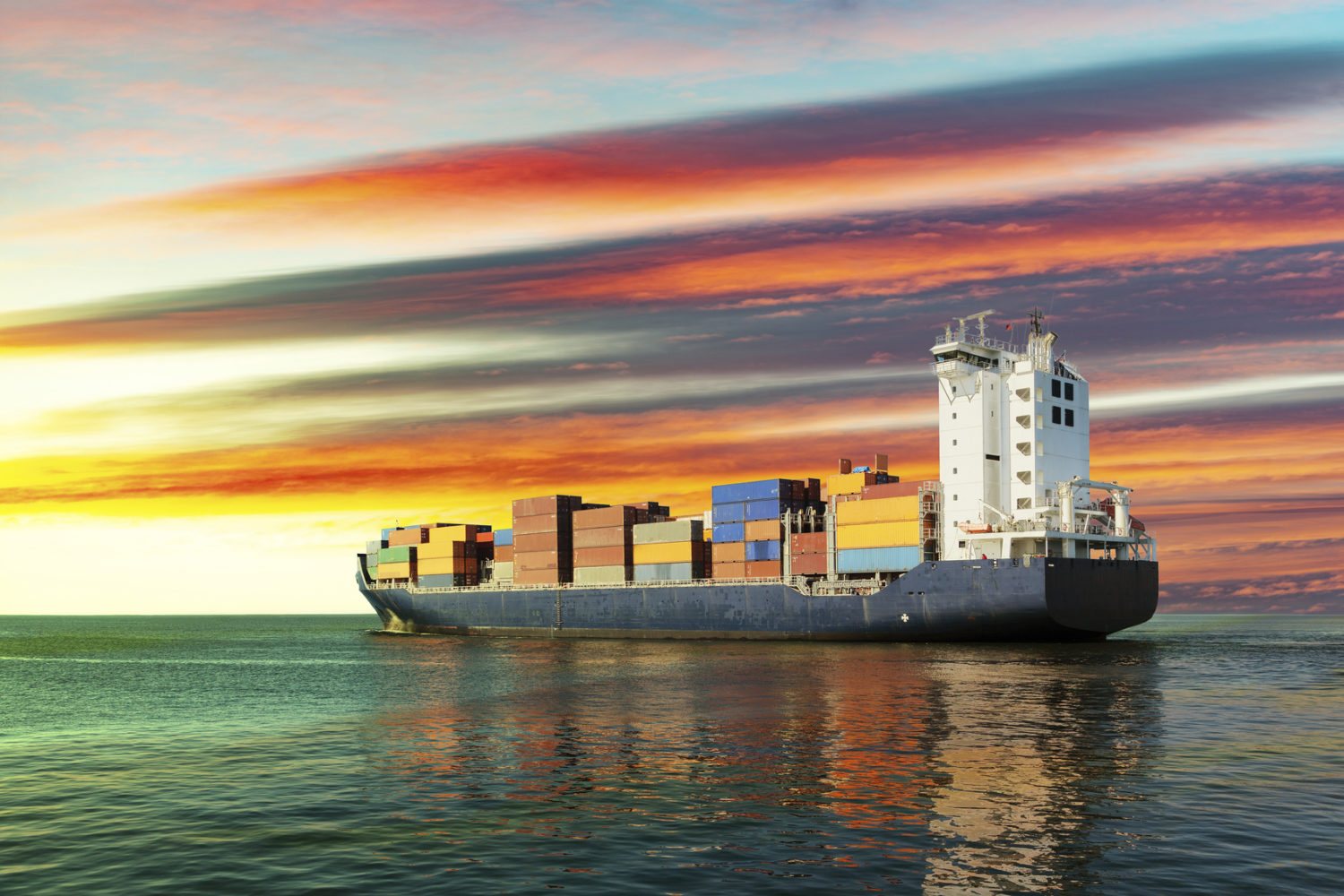
April was another banner month for the Port of Virginia as the port processed 323,244 teus, a 12.9% increase over April of 2021, and only 2,300 containers short of the port’s all-time record set in December 2021. The increases come as the port doubles down on improvement and infrastructure spending, letting the rewards speak for themselves. Two new ship-to-shore cranes are currently being delivered to the Norfolk International Terminal’s South Berth and 15 new hybrid shuttles to expedite transfers and cut down on delays due to repositioning. Over the next four years, the port will be continuing its infrastructure and investment by spending $1.3 billion to meet the capacity needs of the moment. The new ship-to-shore cranes will allow the port to service two ultra-large container vessels at the same time doubling the throughput options. The new cranes will enable the port to service vessels that are 26 containers long instead of the current set up which is 3 containers short on reach. the improvements that have happened have been years in the making and we’ve been covering the metamorphosis of the port from a small local east coast port to a large behemoth capable of competing with and helping out the big ports on both coasts. The overflow from the west coast ports in the midst of severe pandemic disruption came to the east coast and caused congestion but definitely showed where more support was needed and the performance of the Port of Virginia was exemplary. Nelson International keeps an eye on the development of our home port to provide you with the best options for shipping your ocean cargo. If you need to make a plan to route shipments through the east coast, contact your representative to find out how we can help.

Further Developments in West Coast Port Congestion
The West Coast port congestion continues to present new challenges to resolution. To recap, with the onset of the pandemic, e-commerce and import traffic devolved into a wildfire, but with quarantine restrictions and not enough port staff, processing this traffic slowed to a near stand-still. To ease the burden, many sailings were rerouted from the West Coast to the East Coast. Unfortunately, they suffered from the same issues, and now some sailings have been rerouted to Gulf Coast. Sharing the workload among the ports has led to some ease, but now that the cargo has been processed into the ports, land transport is facing the same issues with not enough staff or equipment to keep the cargo moving, resulting in a container backlog. Railroads have cited a lack of locomotives, chassis, and shippers refusing to return equipment in a timely manner. Even the Secretary of Transportation Pete Buttigieg has gotten involved to urge these companies to do what must be done to resolve these issues. However, the shortage of rail workers is not directly pandemic-related. STB Chairman Martin Oberman has said, “Over the past six years, the Class 1s collectively reduced their workforce by 29% – about 45,000 employees cut from payrolls. In my view, all this has directly contributed to where we are today. The railroads simply do not have a sufficient number of employees.” The STB will hold a public hearing on April 26 and 27 where carriers will be called on to answer for their response. In addition, a West Coast dockworkers’ labor contract is set to expire in July. While negotiations are expected to go well, it’s another facet to an already complicated question. Here at Nelson, we’re monitoring the situation as it develops and we’re committed to not only keeping our clients informed but to solutions that best fit our clients’ needs. If you have any questions about this situation or any other concerns, please don’t hesitate to contact your Nelson representative.
The Port of Virginia – The deepest and widest in 2024
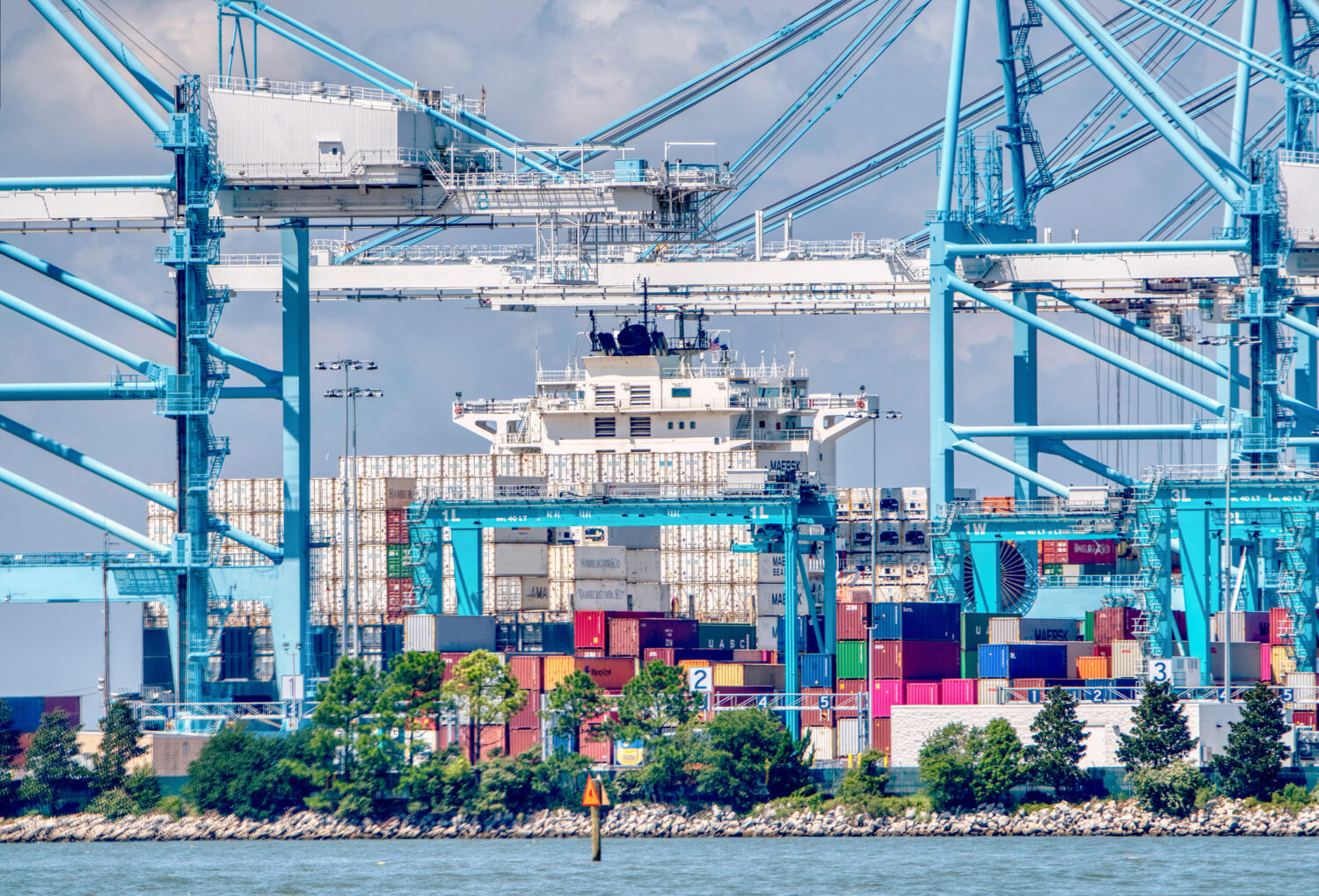
Thanks to the Infrastructure Investment and Jobs Act, which gave $72 million in funds to the project, the Port of Virginia is embarking on another dredge and widening project that is expected to make the port the deepest and widest port on the east coast. The total project cost will be around $450 million split between both the Federal Government and the port itself. The dredge will make the new depth of the port approximately 58 feet (16.7 meters) and widen the channel to approximately 1400 feet (426 meters). The closest port in size or depth to the expected size of the Port of Norfolk will be the Port of Charleston at 52 feet. At completion, the Port of Norfolk will be able to accommodate two ultra-large container vessels leading to safer two-way traffic and faster turnaround for loading and unloading. Currently, the port can handle one post-Panamax size ship, but not two. Oversized ships are currently not able to move through with other oversized ships. The new channel will make passage safer for large ships to move freely past each other. East Coast ports have been increasingly congested this year as vessels are diverted away from the congestion and disruption of the west coast where last year saw more than 100 ships queued in the San Pedro Bay due to the pandemic. While many only think of the NY / NJ ports on the east coast, labor relations talking coming this summer have shippers and importers looking at alternatives on the east coast, of which the Port of Norfolk is on a rocketship to build out the infrastructure to meet the coming demand. If you’re concerned about the congestion on the west coast or finding alternatives as the import boom continues, your Nelson International representative can help you find the best routing. We’ll continue to update our readership as more construction and updates are done in Virginia.
Air Freight Prices on the Rise Again
Air freight rates rise again with the Ukraine invasion by Russia, but that’s to be expected. As the air freight market becomes increasingly paralyzed and expensive, more air lines are suspending flights, but not just to Russia; Korea, China, and Japan are also being affected by the suspensions. Kazakhstan of all places has seen three times more flights than usual. Asian carriers can and do continue to fly in Russian airspace, meanwhile European carriers are adding detours, time, and costs to flight operations just to avoid Russian airspace. While the US is considering a ban on Russian airlines, it seems wary of its own carriers losing access to Russian airspace; a White House spokesperson noting there were a “range of factors” to consider. Meanwhile, limited air capacity is presenting a double whammy for shippers. Between airspace being closed over Ukraine to civilian flights, to airlines avoiding Russian airspace, there’s no end in sight to the spiking air freight rates. “The flying ban has canceled many of these flights and removed 10 million miles of airspace from international freight routes,” Alperin said. “With airlines responsible for flying around 20% of cargo, this will dramatically decrease capacity provided by carriers.” The growing number of carriers that have suspended services in Russia, make up about 62% of total ocean freight capacity, meanwhile tanker rates have skyrocketed with a spike from 157% to 591%, Alperin also stated. Because air freights are avoiding Russian airspace, airlines will have to take alternate, longer routes, raising fuel costs. Rising and surging to record levels, oil prices have continued to rise alone with them. With this war, gas, and oil price rising crisis, we here at Nelson want to keep you informed of what is going on and why. We will continue to stay updated on this situation and bring it to your attention as things change. Should you have any questions, please do not hesitate to contact your Nelson representative today.
West Coast Port Congestion
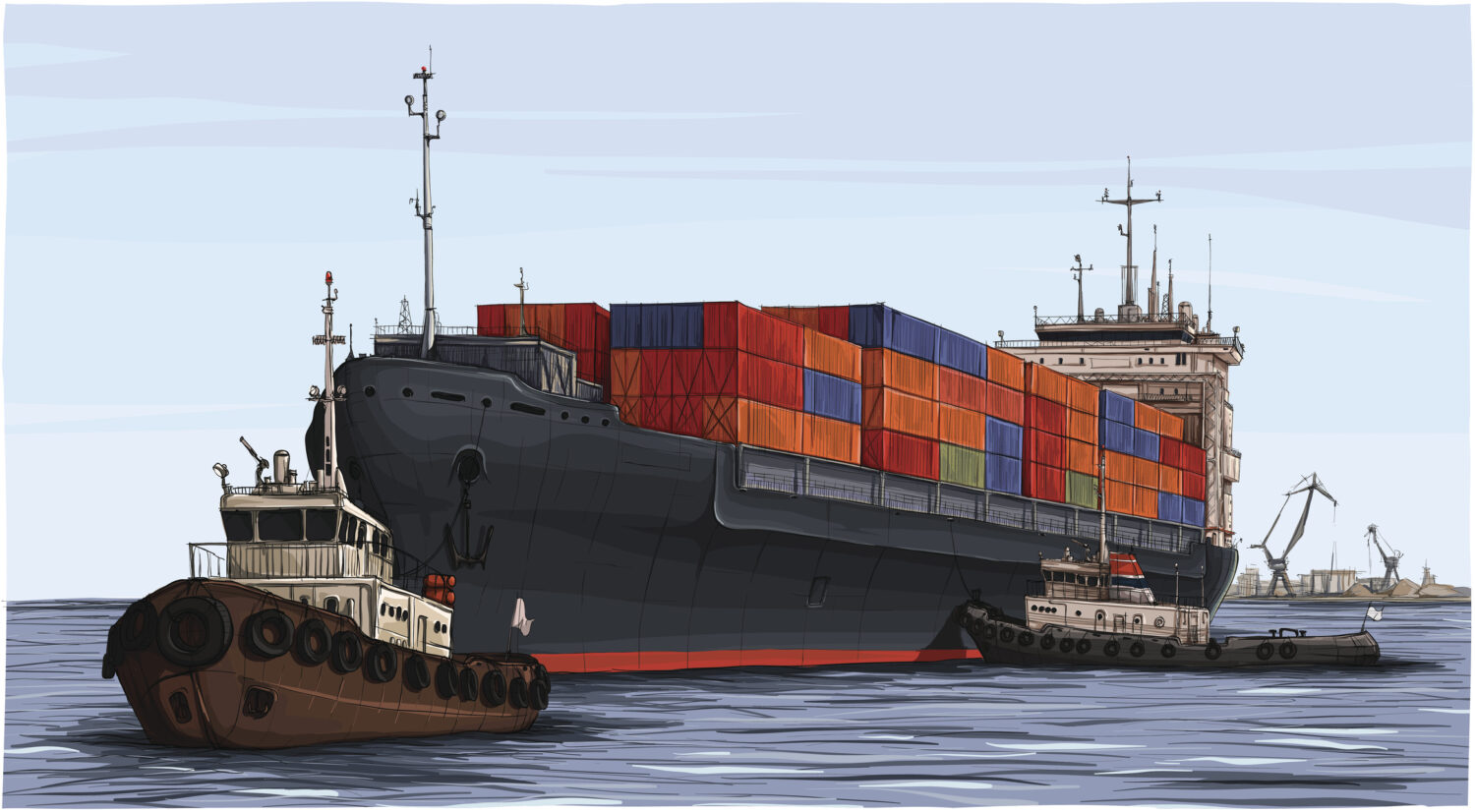
When container ships jumped from carrying 6,000 Twenty-foot Equivalent Units (TEU’s) to 10,000 or more TEU’s per vessel, Beneficial Cargo Owners (BCO) and shippers started scratching their heads questioning why ocean carriers decided the hub ports could handle that kind of cargo without consulting them first. The Asia-USWC route is where this upgrade started, and it’s causing an unprecedented backlog. While the Los Angeles and Long Beach ports have reduced the number of ships in San Pedro Bay waiting for space from over 100 vessels in waiting to just 70 in February, those specific ports are used to this kind of abuse due to the fact 40% of sea freight entering the US comes through the twin ports. The east coast, however, is unaccustomed to this kind of flow from Asia, and routes are getting bogged down with the larger containerships taking longer to load and unload due to the volume they carry. While it takes less time to empty the same number of containers from a larger ship than it takes to service several smaller ships, unprepared ports are still struggling to cover these post-Panamax vessels. LA and LB terminals consistently have about a 20 day average wait for berth, but some vessels in San Pedro Bay have been waiting for up to two months to get any kind of green light to unload their cargo. This backlog is due to a rebuild in inventory that may cause the numbers to rise again in upcoming months. The west coast is having issues with a painful number of blank sailings as vessels bunch up between Asia and the US. Blank sailings are up by two thirds on the west coast and Hong Kong and Singapore are up by 116% and more than 200%, respectively. Though it may seem counterintuitive at first, blanking sailing is the only way for the lines to get back on schedule, and will probably last until the carriers are back on track. Here at Nelson we’re all for the most efficient and cost effective ways to get through this congestion. As the situation continues, we will be keeping you up to date with the backlog of vessels on the both east and west coasts and how we can help you navigate it with confidence. If you have any questions, please contact your Nelson representative today for more information.

The Rise and Fall of Congestion at Ports
Nothing’s a bigger head scratcher this week for BCO’s and shippers at the TPM22 conference in Long Beach, than why ocean carriers decided to deploy bigger ships without consulting hub ports on if they could even handle them in the first place. If you’ve been wondering why congestion was still piling up, it’s because the ship sizes on the Asia-USWC route can pinpoint the upgrade at the San Pedro Bay terminals. The vessels jumped from 6,000 Twenty-foot Equivalent Units (TEU’s) to 10,000 TEU’s and over. Ships waiting off LA and LB fell to about 60 vessels recently from the 100 or more they were, but a new surge of demands due to a rebuilding of inventory are moving from the record low levels, to ridiculous highs again in the coming weeks. Because of the delays, some ships in the LA and LB terminals went from waiting for 20 days as an average berth, to up to 2 months before getting permission to unload cargo. Halloween costumes were arriving at Christmas, advent calendars being de-vanned from containers in February, creating a madhouse for a while there. On the second day of TPM, Jon Pocari, port envoy of the White House said all of the system needed work, and that 24/7 terminals were a goal to be worked towards. That, unfortunately, is a long way to go, given the shakiness of the third shift. Due to this inability to offer sustainable 24-hour working ports, the hub terminals of North America are estimated to be operating at a third below productivity levels of the equivalent box ports in Asia and Europe. The new ‘trade war’ between US and China that resulted in the Chinese new built chassis manufacturing source being cut, in favor of domestic construction, was deemed not such a good idea by US lawmakers, adding to the hindrance of operations from ship to terminal to truck or rail. Despite the dock and landside congestion afflicting the USWC ports the pressure is building on the BCO’s with the overshadowing threat of protracted labor contract negotiations to replace the agreement which expires on July 1st. Here at Nelson, we are keeping an eye on these broiling situations and steadily keeping you up to date with the rise and fall of congestion in the ports, and what is making the conflagration spread. We will strive to aid when we can to ease said congestion where possible. Meanwhile if you have any questions, please contact your Nelson representative today.
Congestion? Or a Passing Ship in the Night?
Snow storms hit the Port of Virginia twice in late January, shutting down the port both times, and increasing congestion that port officials believe will be cleared out in just a few short weeks. It started out with 11 vessels anchored outside of the port, and grew to 14 within a week. Snowfall reaching as much as 1-2” an hour at times, hit the state of Virginia and spread to the ports. The snowfall not only caused several trees to fall throughout the state, but as a result, made nearly 450,000 residents go without power. An average of 70-90% of people in some areas were without electricity, and this affected the port’s operations to the point where things were inoperable. Being the largest snow since 12/9/2018, the destruction of infrastructure was on the same level as Hurricane Isabel. While the Port of Virginia skirted the roughest parts of 2021 in one piece, the snow storms created a ruckus that closed down operations for a full 96 hours, causing vessels to bunch outside of Norfolk Harbor as a result. The port has been able to handle such problems as this because of the measures taken to make it one of the most operable ports on the East Coast. Where places like Los Angeles and Long Beach ports are run by 2 distinct organizations, the Port of Virginia’s terminals are run by a single entity: The Virginia Port Authority. Should a single terminal become congested, Virginia’s Port Authority easily diverts cargo to another. Los Angeles also deals with three trucking providers unrelated to the terminals, whereas the VPA has sole control over the trucking fleet. Weather can be an unpredictable thing, but here at Nelson we are prepared to weather the storm together and come up with creative solutions to help keep cargo moving. While the Port of Virginia has some backlog due to these storms, rest assured that the port can handle clearing the vessels anchored off shore in just a few short weeks. Equipped with the tools and technology to get things moving quickly, the Port of Virginia will be back on its feet in no time. As for Nelson, we will work together with the port to create new and improved ways to clear up this congestion.
VA Deftly Avoids Backlog with Flexibility and Efficiency
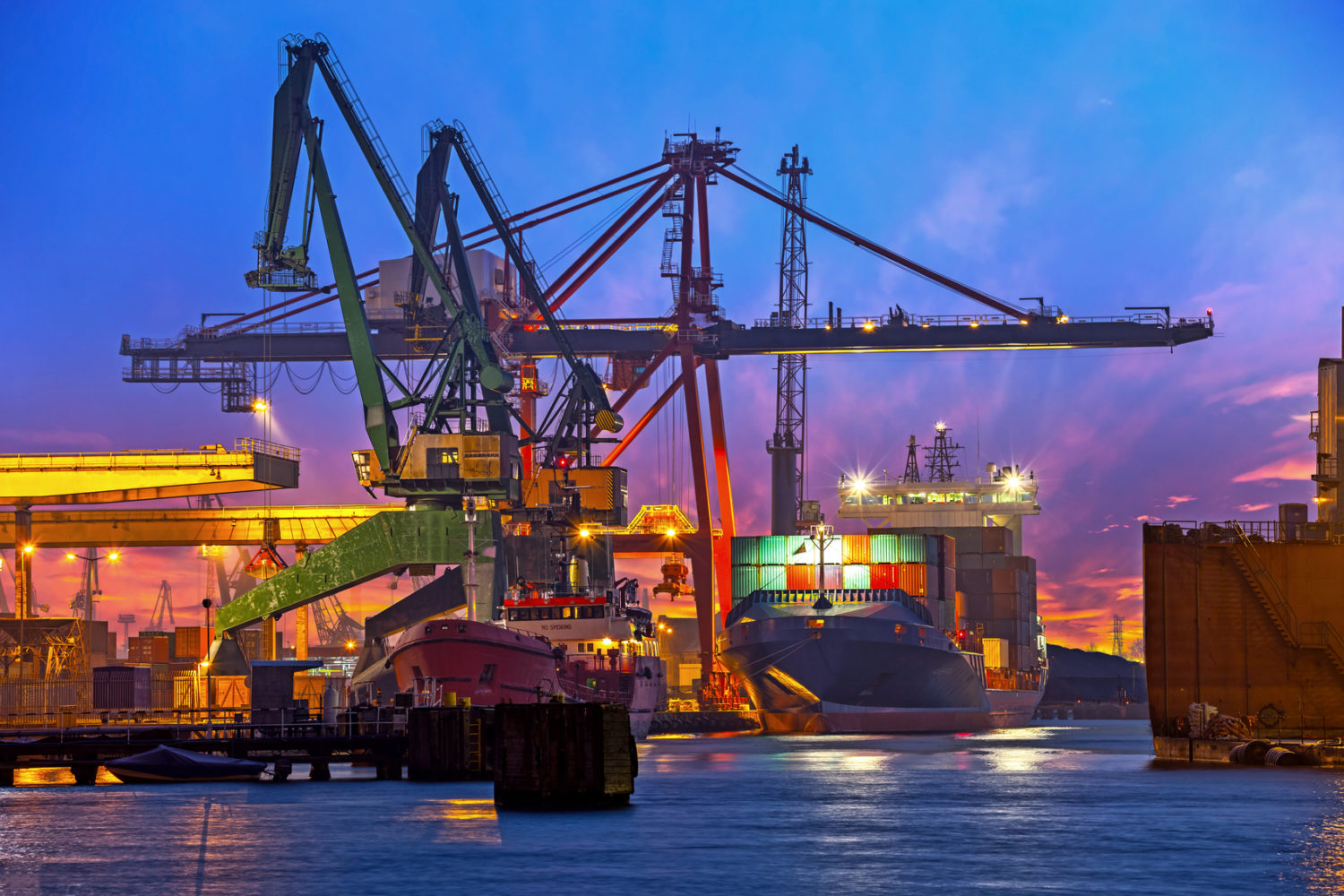
Thanks to the semi-automated cranes in the container yard and the two marine terminals linked by barge services at the Port of Virginia, the port has been able to alleviate backlogs that have slammed other ports on the USEC. Ports like New York-New Jersey, Charleston, and Savannah are all being slammed with a backlog of ships holding offshore, but the Port of Virginia has yet to see numbers hit the double digits. Due to their flexibility to shift a vessel to another berth or terminal, the Port of Virginia has contained its massive amounts of incoming and outgoing cargo to short lines and even shorter wait times. The US ports struggling with anchored vessels could use an upgrade in infrastructure much like the Port of Virginia is getting to help them with some desperate backlog relief. One of the ways they are aiding this backlog at the Port of Virginia is by switching berths. When switching vessels between berths, the simplest shift is between the two container terminals of Norfolk International or Virginia International Gateway. The arrival of the ship is programmed into the computers, which direct the cranes to organize the container in a specific order. When ship A arrives, it puts the cargo in ship A’s spot. When ship B arrives, it places the cargo in B’s spot. Should the ships arrive out of order, they still have the spaces open, they just have to reconfigure the cranes to put them in the correct spot. The hardest part is switching from one terminal to the next. Should the ship move exports from VIG to NIT, it must also move imports from NIT to VIG. Here at Nelson, we want to help avoid backlogs at all costs. Since the Port of Virginia is our home town port, we want to aid in the process of keeping cargo moving should the situation call for it. As of now, the Port of Virginia is doing an amazing job of keeping things up and running, and we will be there every step of the way to make sure that it stays that way.
Port of Virginia Invests in New RMG Cranes
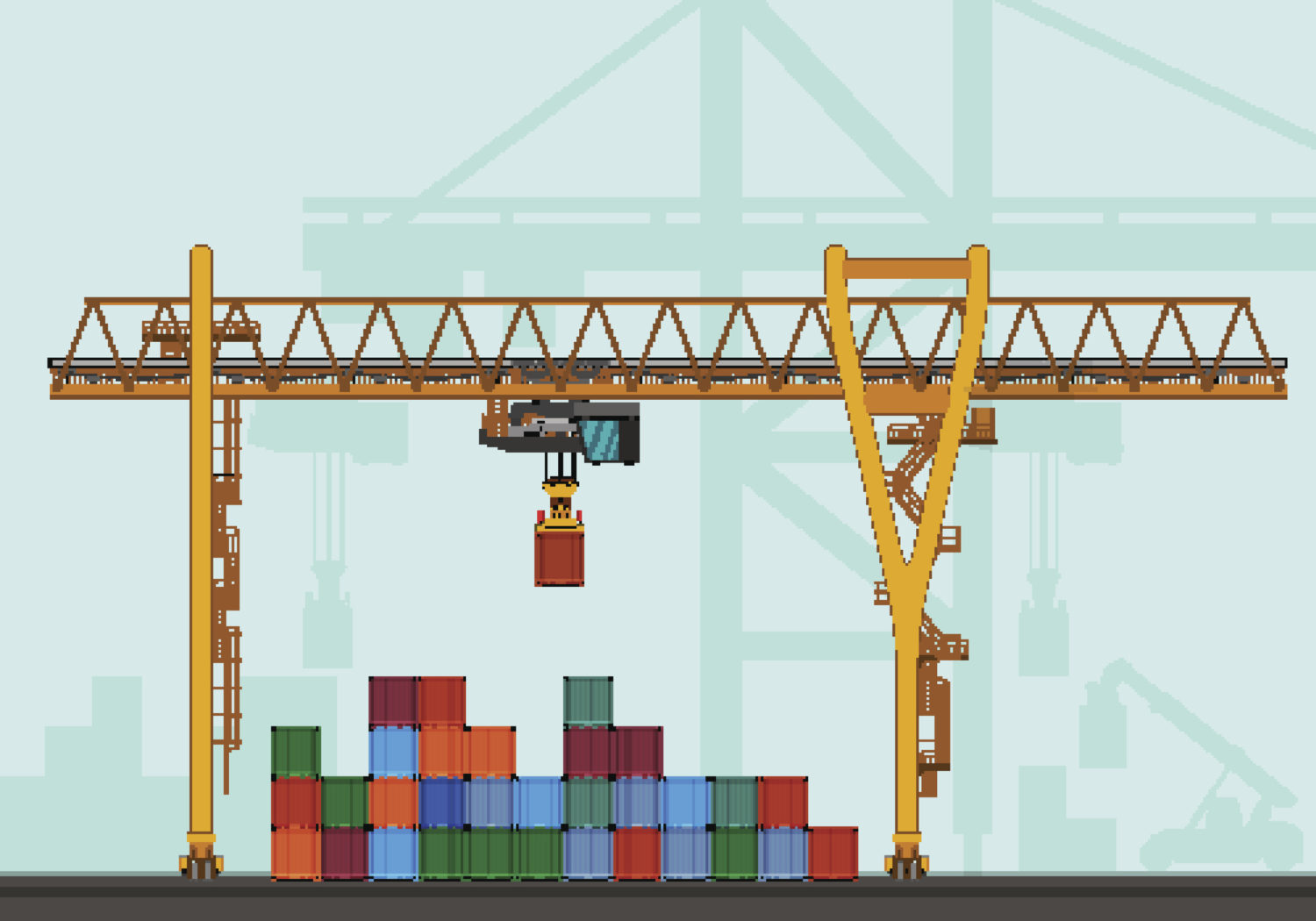
By ordering three Konecranes Rail-Mounted Gantry (RMG) cranes the Port of Virginia has ensured the next upcoming year will be a good one. As a long standing Konecranes customer with a fleet of 116 Konecranes Automated RMG cranes, the Norfolk International and Virginia International container terminals are setting themselves up for success, loading and unloading trains and terminal trucks to serve the customers in the Midwest and Ohio Valley. The new cranes will not have cabins, as they will be remotely operated from a control center. Lifting containers 1-over-2 high, handling double start trains, and standing with a lifting height of 12.2m (or 40 feet) a span of 23.5m (or 77 feet), and an outreach of 13m (or 42 feet 8 inches) these cranes are going to pack a punch when it comes to loading and unloading cargo. The construction for the terminal optimization project at Norfolk International Terminals began in January 2018 for a grand total of $452 million to increase the terminal’s capacity by 46% within the same footprint. Norfolk International Terminal is able to offer second-day double-stack service to inland markets with its direct on-dock rail access to Norfolk Southern’s Heartland Corridor. The terminal also gives access to CSX Intermodal, as expanding the rail services is a critical point in the port’s consumer base in the Midwest and Ohio Valley. With this new order, the port continues investments in its terminals. RMGs, which when completed, will be able to handle more than 600,000 lifts annually, is part of the $80 million expansion of the Central Rail Yard at Norfolk International Terminals. The port is making a strong focus on customers and commitment in digitalization and technology, not to mention their work to make materials flow more efficiently with solutions that decarbonize the economy and advance circularity and safety. Here at Nelson, we will continue to keep an eye out on the changes at the Norfolk International Terminals and keep you up to date as things progress and change. We are looking forward to working with them in moving your cargo quickly and safely through these new changes coming up and welcome the port’s efforts to increase productivity. Through hard work and dedication to our customers we will work together to continue to bring you the best service out there.

Chinese New Year returns!
With the Chinese Lunar New Year coming up, there are many traditions going into the event that have lots of cultural significance. The year itself isn’t based on the Gregorian calendar that you and I are used to, but instead changes dates that always fall sometime between January 21st and February 20th. Based on the first new day when a new moon appears, the Chinese Lunar New Year is a celebration of the upcoming spring, often referred to as the Spring Festival. This year the Chinese public holiday will fall on January 31st and celebrations will begin February 1st through to the 6th. Though the festival usually consists of large celebrations in the streets, some places will have covid restrictions limiting what they can do. Despite this, many families will probably still have the traditional dinner in their homes, which includes eating fish for surplus, dumplings for wealth, spring rolls for prosperity, and much, much more. It’s also tradition that the families give out red envelopes with money in them to family members, acquaintances, and from bosses to employees. The amount varies from person to person, but did you know that certain numbers hold significant value and luck in Chinese culture? Where three 6’s usually holds negative connotations in the west, over in Asia, it means “Flow, flow, flow” as in the flow of cash to you. Eight is the luckiest number in the Chinese numerical system. In fact, if you get anything relating to an 8 in your birthday, phone number, or money gift, it’s considered extremely lucky. Each year in the Chinese calendar corresponds to an animal. Legend has it that either the emperor or Buddah called all the animals to a race for his birthday, and only the top twelve would be allowed to attend. This is how we got the 12 animals of the Chinese zodiac: Rat, Ox, Tiger, Rabbit, Dragon, Snake, Horse, Goat, Monkey, Rooster, Dog, and Pig. 2022 is the year of the tiger, the third of the 12-year zodiac cycle, which means it’s a year of leadership, respect, and acting assertively; as well as being courageous, outspoken, and prone to taking risks and being energetic. While each year has its own connotations, this year is about going out there and being the best you can be. So with that in mind, book your cargo shipment now with Nelson. Be strong, be assertive! Take that step you know you need to take to get your cargo moving. In the upcoming weeks, the Chinese Lunar New Year is going to have capacity shortages as we go into the Beijing Olympics, so now is the time to make your move with Nelson. You don’t have to worry about taking risks with us involved, we’ll navigate these waters with you to make sure that your cargo is in safe hands. We are experts in the import-export business and can help you with our cutting edge technology and quality customer service. So don’t wait till the last minute! Contact your Nelson representative today for more information.
