

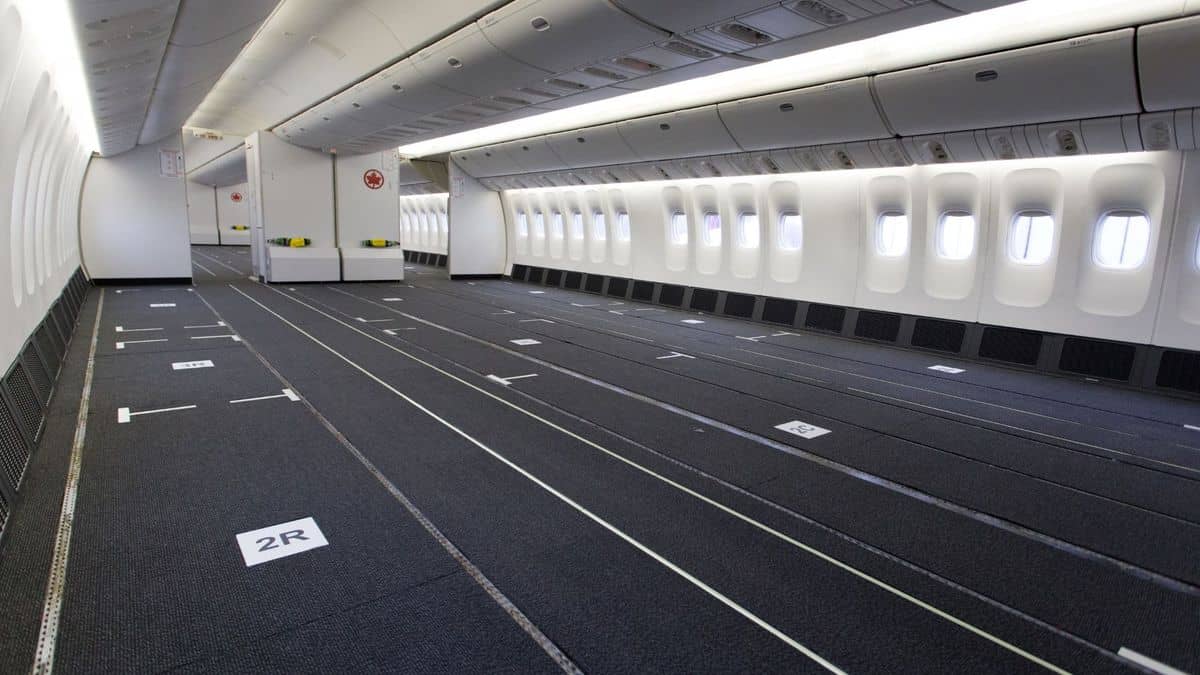
When the pandemic started, airlines had to deal with a sudden lack of international travelers lining up for flights. By removing the seats, planes were re-outfitted to carry cargo. The lack of belly space on packed airplanes caused a quick dip in numbers for airlines, but their pivot worked. Now, United, which saw cargo revenue leap 105% in the second half of 2020 has turned away from the cargo as passengers return to air travel. It’s not a sure end to the pandemic but it is a great sight to see passengers returning to the air for both business and pleasure, in both domestic and international trips. While passenger flights don’t have the same capacity for cargo as heavy freight flights, the turn saved airlines from certain calamities. It should not be difficult to pivot back if need be should the pandemic and viral variants ramp up and cause new travel restrictions. For now, the vision of people boarding flights, families carting children on vacations, and business travelers waiting patiently at gates makes everyone in the world of logistics feel better. It appears that though we aren’t completely out of trouble, we are coming to the light at the end of the tunnel. Despite the heavy passenger airports not being the best cargo connections, the option to keep imports moving through a pandemic was a boon to carriers. Capacity on all cargo airlines was impossible to find as US imports soared when consumers diverted their entertainment budgets to online shopping for the duration of 2020, accelerating the shopping platform by a decade. Airfreight capacity is working to keep retail outfitters in business while inventory is low and cargo is delayed by ocean and rain congestion on the US coasts. If you need to move urgent shipments to protect your inventory, talk to your Nelson International representative to discuss expediting your cargo by air.
Midwest rail disruption continues
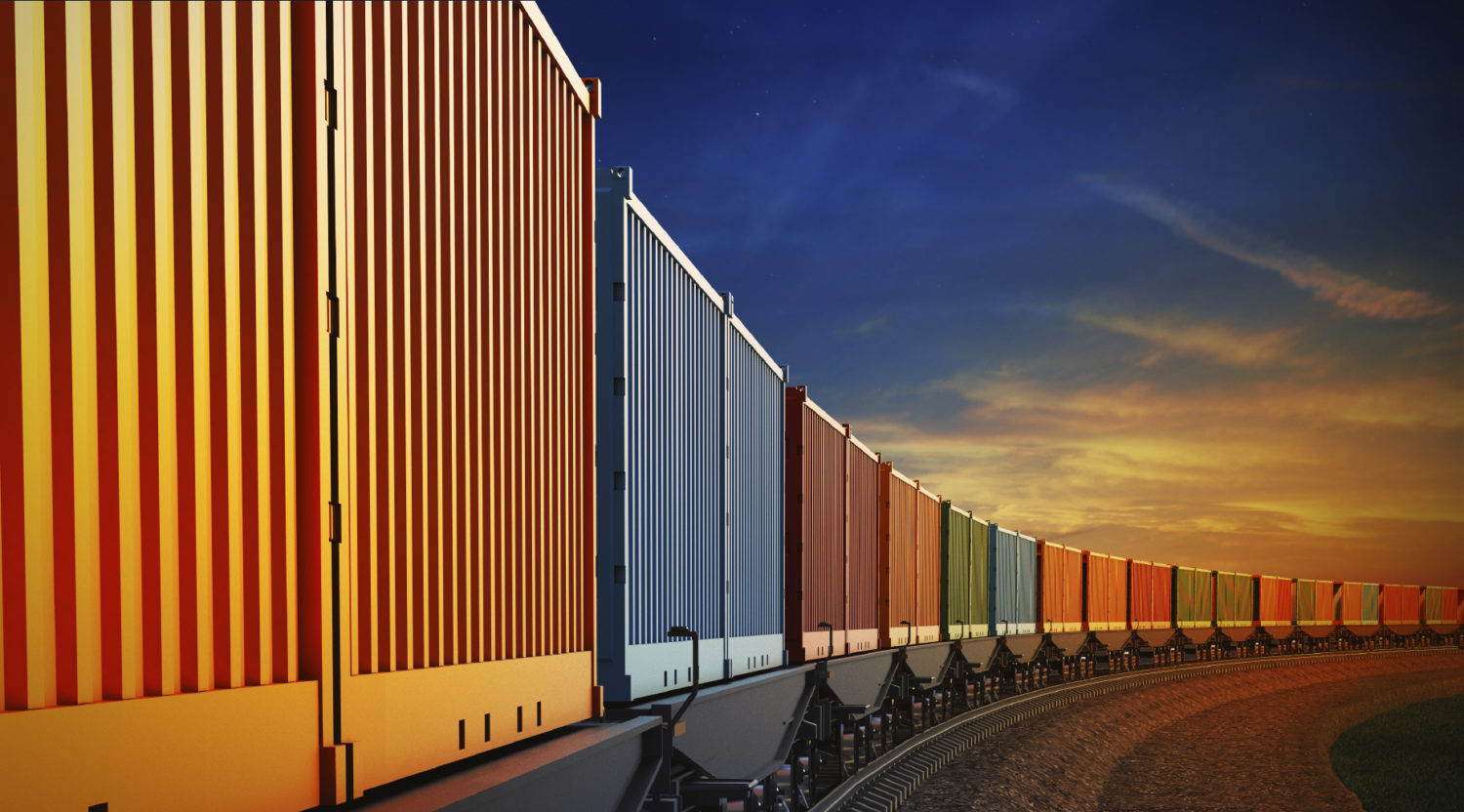
The ever-worsening ocean freight congestion has lead railroad companies to take extreme methods to catch up on the backlog of containers coming from the US west coast. UP called for a container embargo on all eastbound containers coming from the ports of Los Angeles and Long Beach, Oakland, and Tacoma to their Global IV yard in Chicago. BNSF dealt with the deluge by opening another lot, “Lot W” to hold containers that have been deramped before they’re staged for truck pick up. Rail congestion has become such a sore spot in logistics that President Biden signed an Executive Order last week to have the FMC look into “a pattern of consolidation that stifles competition”. With both ocean and rail cargo facing mounting delays, skyrocketing fines, and severe congestion, the intervention is becoming urgent. Not every port is delayed though. We have options for routing cargo that bypass the worst of the crunch. The east coast also has warehouse space and the southeast has even more. The expectation that rates will normalize in 2022 has been abandoned. The best-case scenario sees normality in 2023. Airfreight options abound for those looking to expedite their freight. The cost difference is rapidly becoming negligible to ocean. But that idea isn’t new and air capacity grows tighter by the minute. The news reads dark, but all isn’t damaged in the logistics market. With time and notice, flexibility and creativity, we can utilize alternate voyages or modalities to keep your cargo moving. Times are more complex but Nelson International is here to guide and help you. We can act as an advocate for your cargo, work to get you rates that won’t kill you, and help you plan the future of your logistics growth. Call your representative to hear how we can help!
Shippers Bear Cost of China Port Problems
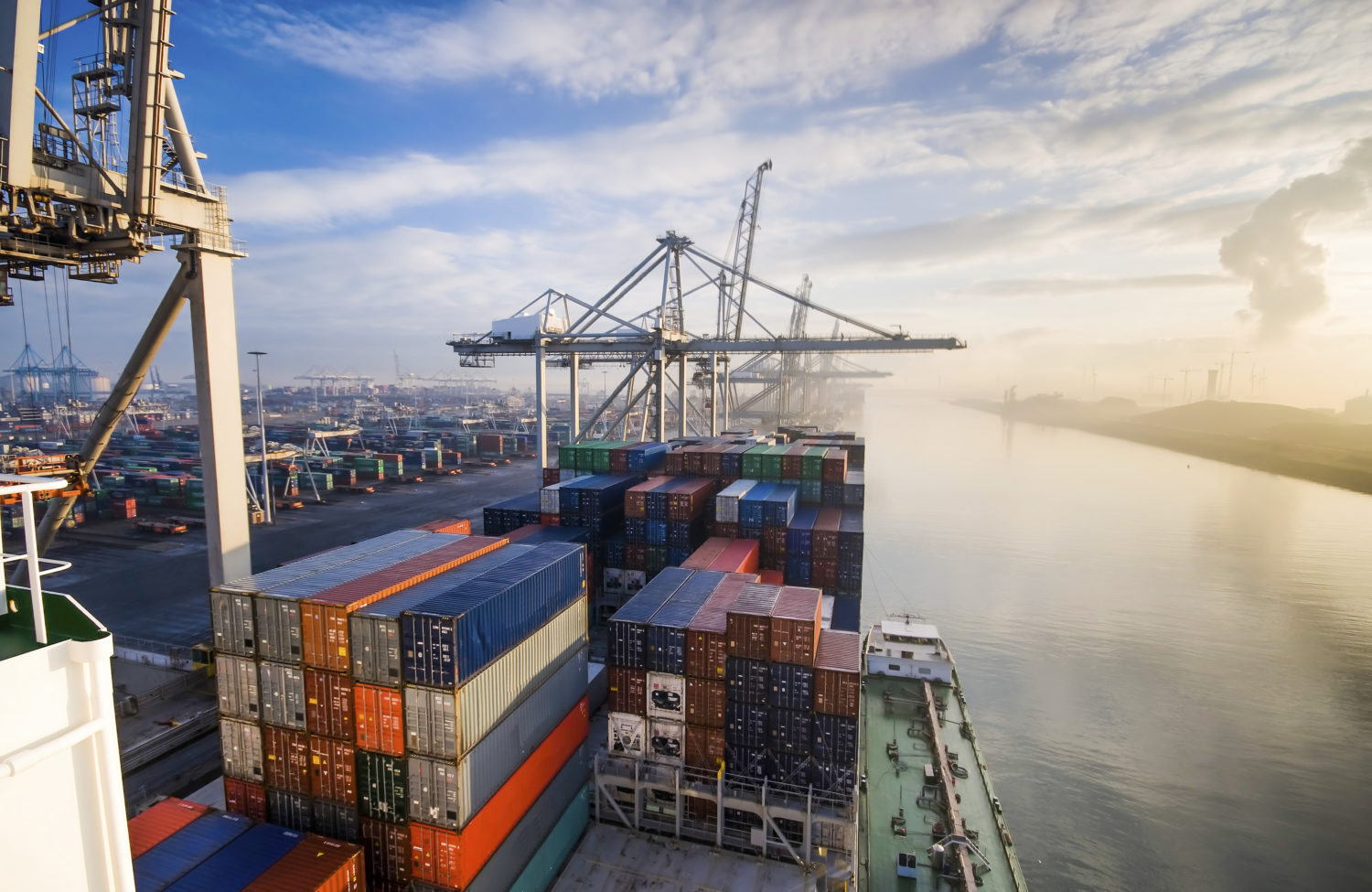
Container lines are tacking on large surcharges, skipping port calls, and shortening delivery windows for export containers at Chinese ports in response to the crippling congestion of the past couple of weeks. ONE has added a $1,000 surcharge for refrigerated cargo, blaming terminal inefficiency. Some carriers are skipping ports, others are restricting loading times to hurry the process of moving ships around the world. In any case, ocean shipping is a mess for many sellers and traders around the world. The only way to combat the delays and fines is to plan as far ahead as possible and make those plans as flexible as you can. Adding hours to load times and appointments, accepting pickups later and earlier, giving truckers more leeway to arrive as needed will be most helpful. Look deeply at your current forecasts and book your equipment as early as you can to ensure the equipment will be available and have space on whichever vessel you need. Vessel choice is also less important now and we’re asking clients to look at alternate journeys, destinations, and ports to use to broaden the options we have. The carriage difference between Norfolk and Savannah is negligible when one takes the delays into account. As many can’t use Yantian because of delays, there are other options we can choose when booking to alleviate the problems. Many analysts think this might last until the second quarter of 2022, which is fully one year away from today. However, by planning ahead and leaning into the expertise of your Nelson international representative you can survive the coming issues like peak season and holiday carrier drama and feel better knowing the experts are on your side. We encourage you to look into our services and talk to our experts to learn the best practices to adopt during this unprecedented disruption. We have your back. Let us ship your cargo.
Record set at Port of LA highlights issues with imports
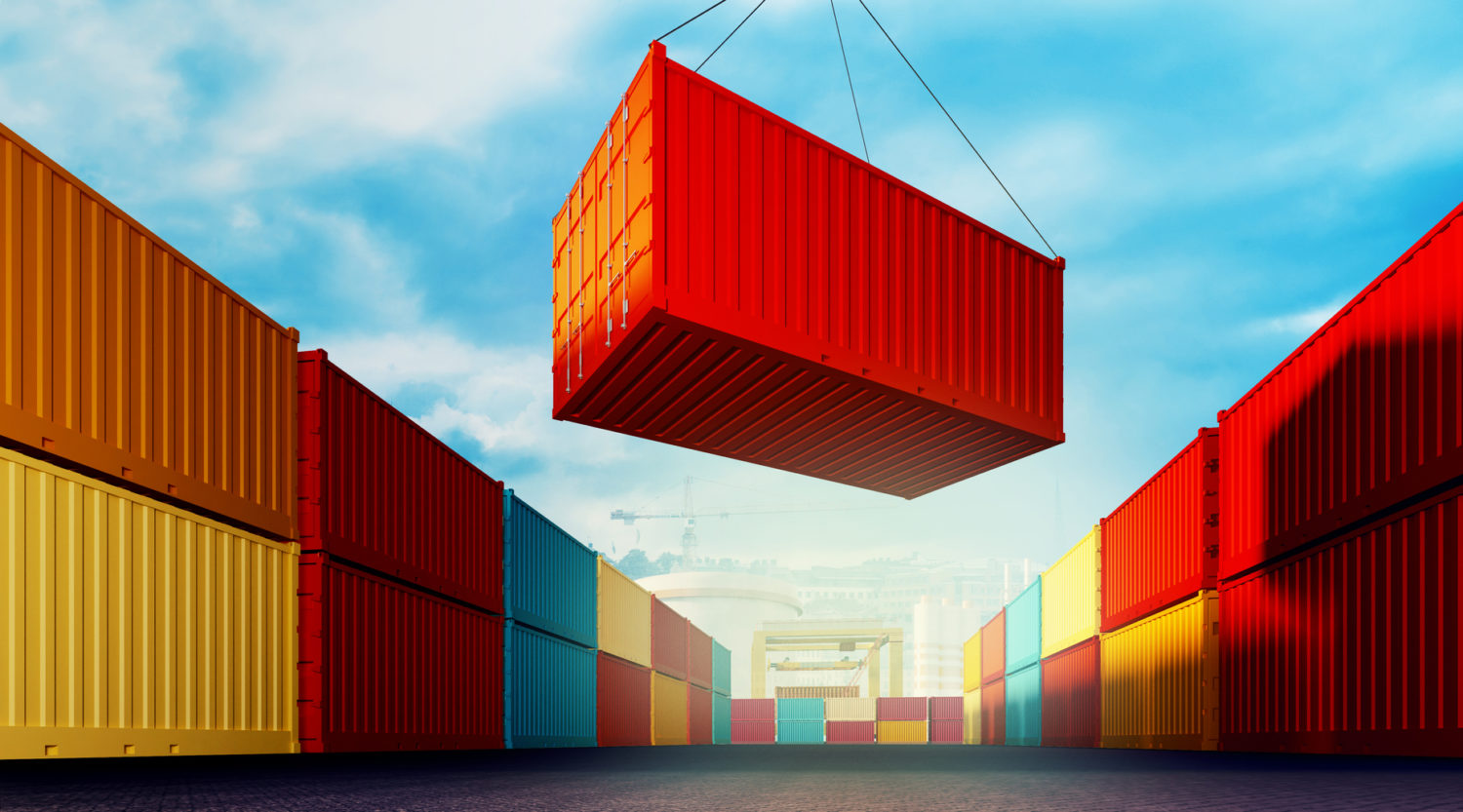
As the first port in the Western Hemisphere to handle 10 million TEUs in a 12-month period, the Port of LA still struggles to handle the deluge of imports crashing into their shores. It’s a similar story at ports across the nation and around the world. Issues arising in Yantian highlight the precarious situation in logistics that is currently holding the world by a thread – delays could ripple out from a second COVID wave impacting ports across Asia. The celebration of record-breaking months is a distraction. These records are happening despite the fact it’s not peak season, yet. Congestion, disruption, and delays are almost as bad as ocean freight rates (they’re 564% higher than the average of the last five years). Analysts expect the trend to continue through 2022 before prices come down in ocean freight – and retail prices are following closely along the same skyrocketing path. It’s because of the pandemic, but that’s far too simple. The initial blanked sailings over a year ago started the disruption but nobody expected the worldwide logistics industry to be so easily upended. Some might consider the current situation evidence that the world is more resilient than expected. Ports are still moving, shopping is still a favorite pastime and prices haven’t reached crippling levels. If we can get a little breathing room, the improvements could be immediate. The breathing room is a cure we can’t get our hands on. The East Coast ports can be a viable option, especially in the Southeast US. There is less congestion in the port which equals less congestion in rail and truck services. Your Nelson International representative has an array of options and solutions to suit your current cargo needs. Times like this, with major disruption, require creative and expert, value-driven ideas to maneuver around the blockages. We know this business and we’re here to lead you and your cargo through it.

Summer heat highlights hazmat dangers
Much of the logistics news we’ve seen this summer has been about hidden hazmat concerns in both ocean and air freight, and it’s a situation that won’t improve as the heat of summer beats down on ports and tarmacs in the northern hemisphere. Between issues that are literally igniting in containers on ships and the recent air ban on Vivo phones due to lithium-ion battery flammability, there’s a reasonable expectation that carriers and governing agencies will need to take a review period to determine what is causing the recent issues with cargo container and air fires that are occurring. Despite any updated rules that will come from the reviews, we don’t expect any regulations to happen that will ban items from cargo shipments as even IATA doesn’t see a ban coming. Nowhere is the issue of safety more transparent than the lithium-ion battery debate in the air cargo space. Because the growth of the batteries is expected to be over 12%, it’s a difficult plan to cut that much of the market out of the airfreight space despite the dangers. Instead of a ban, collaboration and accountability are the buzzwords surrounding the lithium-ion battery shipments considering that typically when there’s a cargo fire, there is no criminality assessed for hidden hazmat or for dangerous goods that aren’t on the classification schedule. Ocean freight hasn’t had a much better record over the last year as the news is full of container fires, explosions and even container collapses have kept insurance providers working overtime to assess troubles coming from improperly marked containers. Everything is always okay if nothing goes wrong, but when there’s an issue and there’s hidden or even open hazmat, fixing problems get exponentially harder. Fires stemming from chemical explosions aren’t always fought in the same way and if there’s no record of hazardous materials in a container, the cure can be deadly as many standard fire suppression techniques deployed for traditional non-haz fires will cause explosions and deadly chemical issues if the suppression team is unaware of what is in that container. Ships don’t have a way for the crew to escape in the way a building does and any tragedy is compounded infinitely by being trapped on a floating city that’s burning. It’s avoidable and it should be criminal to subvert the rules and cause losses to life and property because you don’t expect to get caught. We cannot stress this enough, no hazmat hoops that shippers need to navigate are worse than the issues you’ll face if your cargo combusts because of hidden, undeclared hazmat. The very best way to avoid issues is to be absolutely transparent with your freight forwarder and well prepared to take the time needed to appropriately document and protect your cargo. We at Nelson international understand it’s a pain to jump through the hoops, but it’s our goal to make the hazmat and air cargo issues as easy on our clients as possible. We’re uniquely qualified and happy to give guidance and advisement on the best, most cost-effective, safest shipping options that are out there. Use us as the experts, lean into our gleeful acceptance of complicated cargo challenges – we live to create custom solutions that grant clients more peace of mind, savings, and security than they expected. We’re your team, let us play on your behalf.
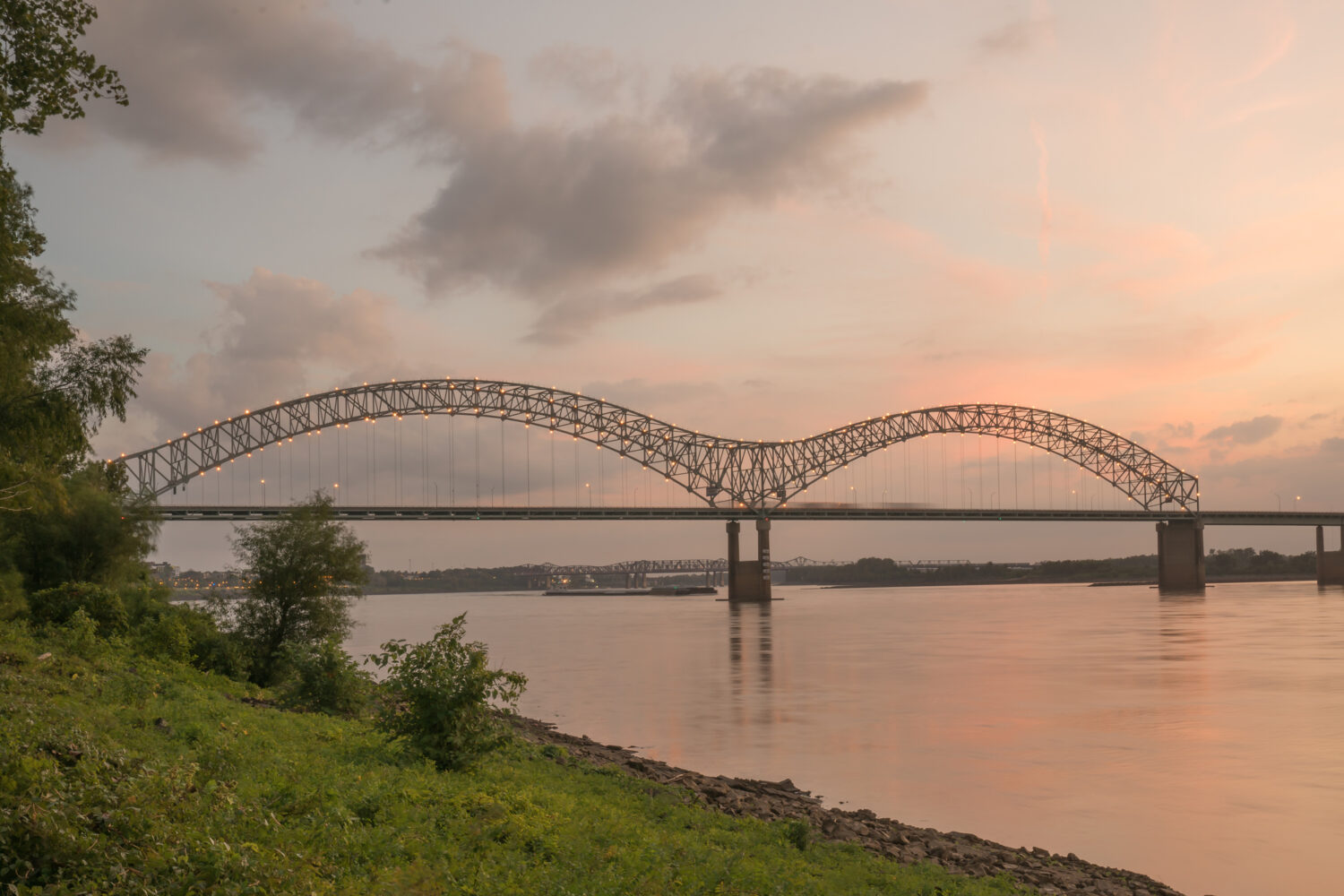
Bridge over MS River cracks, 700 barges waiting
US Agriculture products are in trouble as a crack in the Hernando DeSoto bridge over I-40 in Memphis has been closed after a crack the length of the bridge was discovered in one of the steel supports underneath stopping all road and river traffic both ways. In 2020, the forty-eight-year-old bridge carried an average of 35,000 vehicles per day across the Mississippi River -more than 10,000 of which were trucks. The Tennessee Department of Transportation has not alluded to details about when the bridge can be expected to reopen to either trucks or barges. As the world turns on a dime over cargo rates, shipping container shortages, and a quickly clogging air freight market, the shut down of this bridge, covering the most critical agriculture vein in the nation. The situation is dreadfully reminiscent of the Suez Canal blockage that captivated the world last month when the Ever Given was wedged sideways in a section of the canal that was only wide enough for ships to pass unidirectionally. That stoppage cost shippers weeks of supply chain trouble, further upset the container and equipment imbalances, and netted the insurance company a $600 million dollar fee by the Egyptian government. Officials don’t think the bridge will remain out of commission for long, expecting most of the repairs can be done over the weekend and next week, with minimal impact. However, as with anything that clogs up our logistics market, the race to catch up, servicing a number of vessels all arriving at once instead of each as they travel with time between, will play havoc on the Port of New Orleans. Therefore, we should expect diversion to other southeastern ports to happen to alleviate that pressure. If your cargo is barge bound waiting for the bridge repairs, we empathize with you. Your Nelson International representatives are standing by to discuss ways to move critical amounts of cargo by air or alternate ports to mitigate the delays coming for the commodities stuck. It’s our specialty to help you navigate these critical moments and circumvent the worst of the delays in whatever way we can.

Heavy cargo has a home at Norfolk
One thing we aren’t hearing about is project cargo and heavy shipments in the current market. With container issues and traffic bottlenecked on the west coast, our east coast ports are becoming a booming section of the nation to handle incoming cargo. Nowhere is that more evident than in shipments of granite coming from India, hitting the port of Norfolk. While there are standard delays with equipment and fallout from the Ever Given fiasco, the demand for granite has never been higher. With people staying home the past year, home improvements are on the rise, and in the US granite countertops are a hot ticket. That granite isn’t easy to place in a home, but it’s even harder to carry by containers and trucks. In fact, specialized, steel-reinforced containers are required and can carry up to 29 tons. Since there are fewer of these reinforced boxes than normal containers, the equipment scarcity can hit them particularly hard. Apart from specialized equipment, the infrastructure investment the Port of Norfolk made into their operations has outfitted the cranes with stronger lifts to manage heavy cargo safely and securely from the ships docked. Nelson International has been cheering on our local port for years, watching as they grew and built a service-based model that’s light years ahead of most local small ports. Investing early gave our area a step up on the competition, especially when the more well-known ports of NY, NY, LA, LB, and SEA are struggling to keep up with the influx of containers to the point ships are waiting in the San Pedro Bay for over a week just to find berth space. We didn’t know just how critical our location would be post-pandemic. Your Nelson representative has a plethora of solutions ready to suit your supply chain, whether you’re handling light retail cargo, e-commerce shipments or 29 ton boxes of granite for homes across the state. Reach out and see how we can improve your logistics plan this quarter.
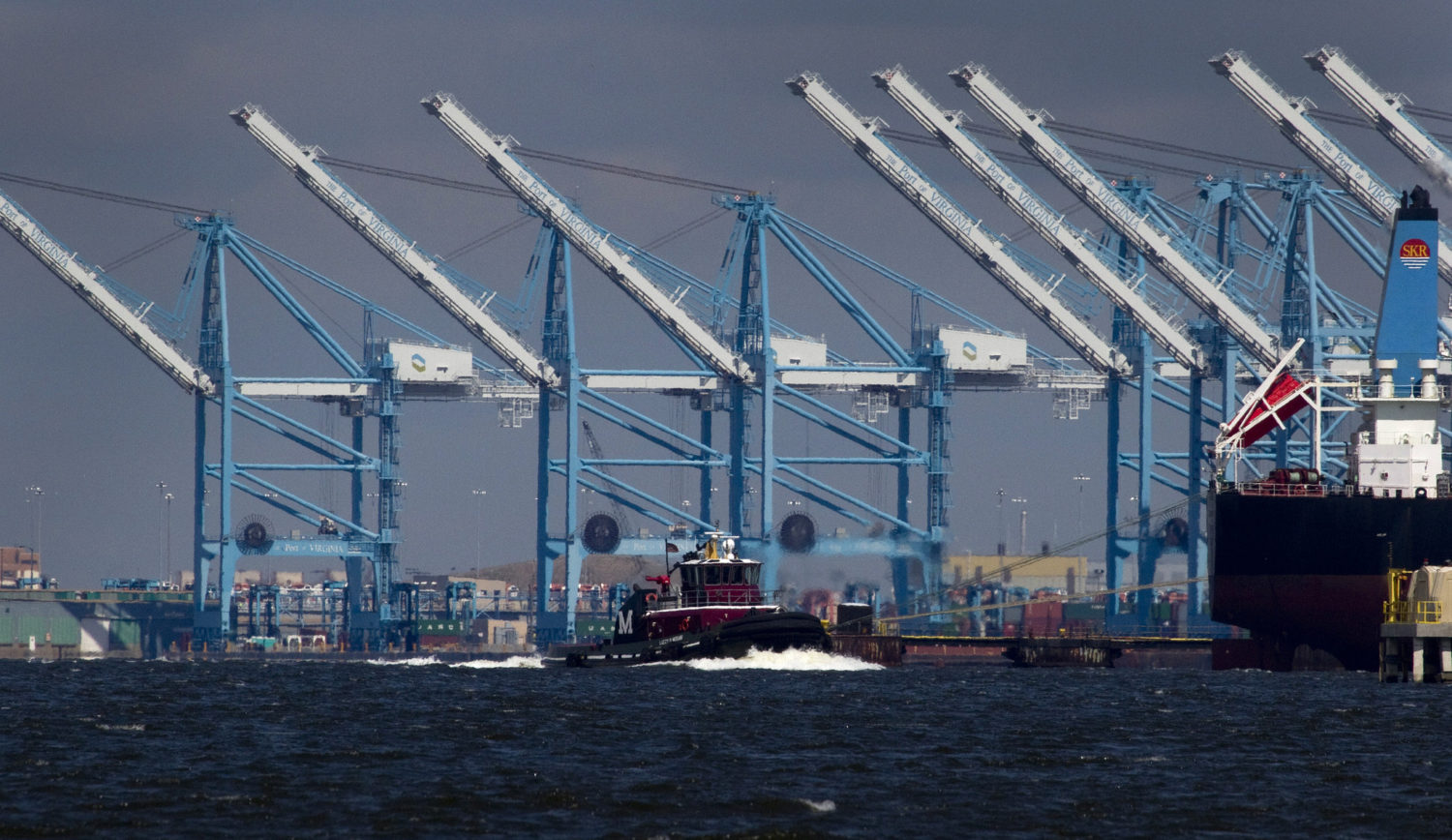
The Port of Virginia is ready for 2021
After a rough 2020 for everyone, the Port of Virginia is coming in strong with new and improved services for 2021. The $800 million infrastructure investment into the port could not have come at a better time as a record rush of imports are currently crashing against the US shores leading to never-before-seen throughput. While most US ports are concerned with high levels of demurrage and detention, the efficiency of the Port of Virginia is unrivaled among the competition. After the disruption in ocean cargo felt during 2020, the total numbers for the port were down 4% across the months even though October, November, and December were the highest ever seen in the history of the port at 274K teus, 280K teus, and 260K teus, respectively. Even January 2021 was at 271K teus and the final quarter of 2020 came in at a 13% increase over 4th quarter 2019 at 814K teus total. These are staggering numbers. In light of the increased throughput, it’s no surprise that the main goal of the investment and improvements made in the port and on the port campus were expected to add a million teus of capacity to the space. What’s surprising is that the average truck time for a turn at the port is 36 minutes. That’s not a typo. More than 90% of trucks visiting the port have a turn time under one hour, a feat that is unheard of at most other ports currently. In this case, an ounce of prevention (investment) is worth more than a pound of cure (efficiency)! Ocean cargo isn’t going to get better anytime soon and many US ports are going to be in trouble when the cascading delays from the Ever Given start to hit our shores. By taking advantage of the Port of Virginia and leaning on the experts here at Nelson International to create custom logistics solutions, you can mitigate the expenses and delays that come along with such a situation. Contact us today to talk about the ways we can keep you moving through 2021 and beyond!
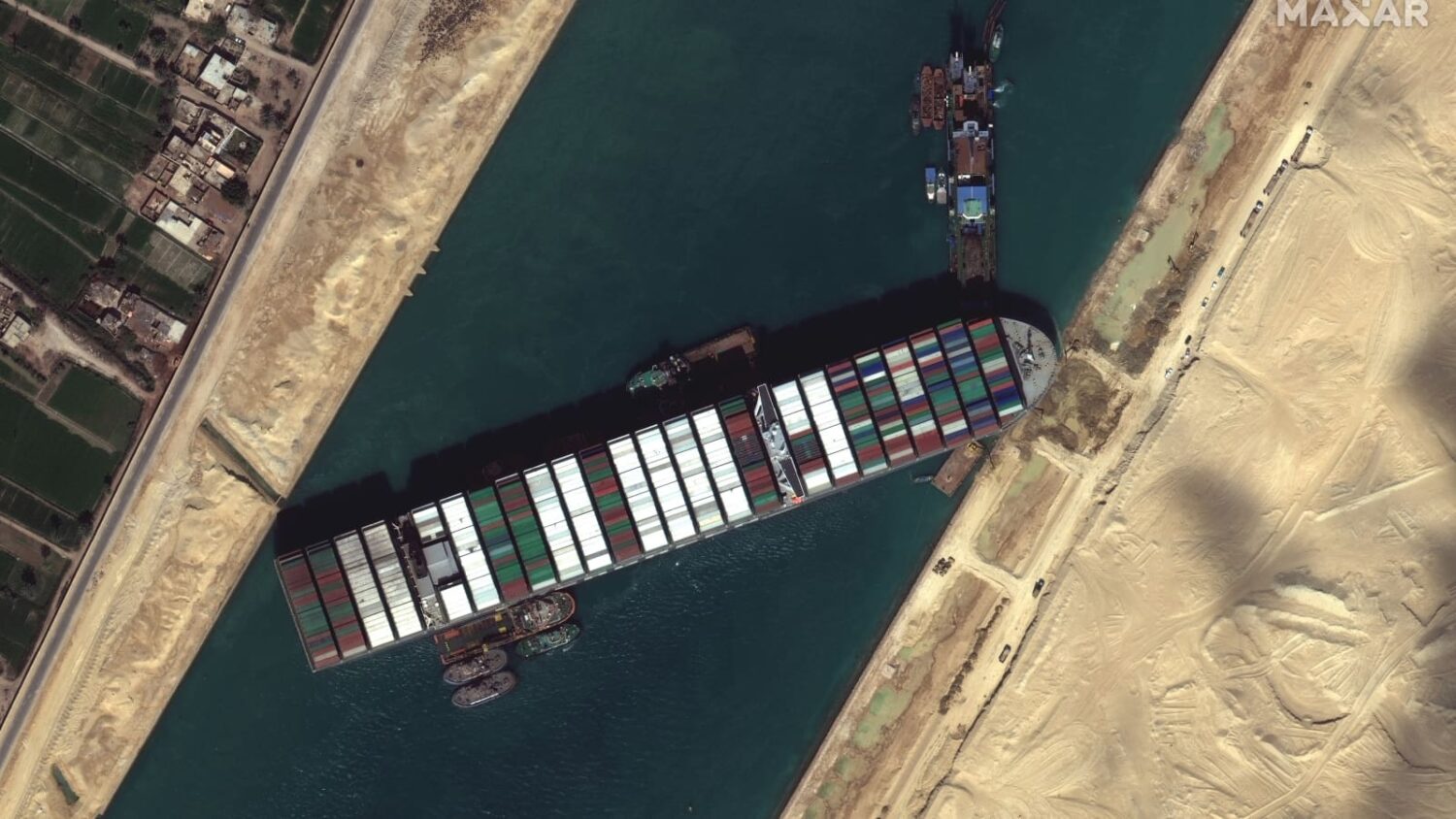
Ever Given blocks Suez
As though logistics doesn’t have enough to cause disruption and delays, the Ever Given was caught in a sandstorm while traversing the Suez canal. The 20,000teu containership was blown perpendicular due to high winds and became lodged, blocking the canal at one of the narrowest points, the point in which ships must pass one at a time. Currently, canal pilots are trying to re-float the vessel by dredging the sand underneath it and waiting for high tides to see if it will dislodge. Barring a successful high tide, professional salvagers are assessing the removal of cargo, fuel and water to lighten the load. Lightening the load on the Ever Given is a difficult task. The ship weighs 224,000 tons (approximately half a billion pounds) and is 400 meters long (roughly the size of the height of the Empire State Building) meaning tugs are all but rendered useless in the face of so much size and weight. Each day around 50 ships pass through the canal and these ships are now floating in wait for the block to clear and the options are few and unpleasant. Either they can spend an indefinite amount of time waiting for the clearing of the Ever Given or they can leave the canal and traverse the long way around the Horn of Africa, which adds 13 days to their voyage (if they leave from the Suez) and an extra $300,000 in fuel costs. If the ships leave dir3ect from Asia and avoid the Suez entirely the trip to Europe takes an extra week, and the congestion expected from the delays and subsequent rush to cover the ships will compound issues in Europe and eventually make their way to the US shores, where we’re already seeing struggles. If you have cargo moving around Europe and the Middle East and want to look at options for mitigating delays, we strongly encourage you to reach out to your Nelson representative for ideas and solutions. This is a developing story and we’ll update as more information becomes available.
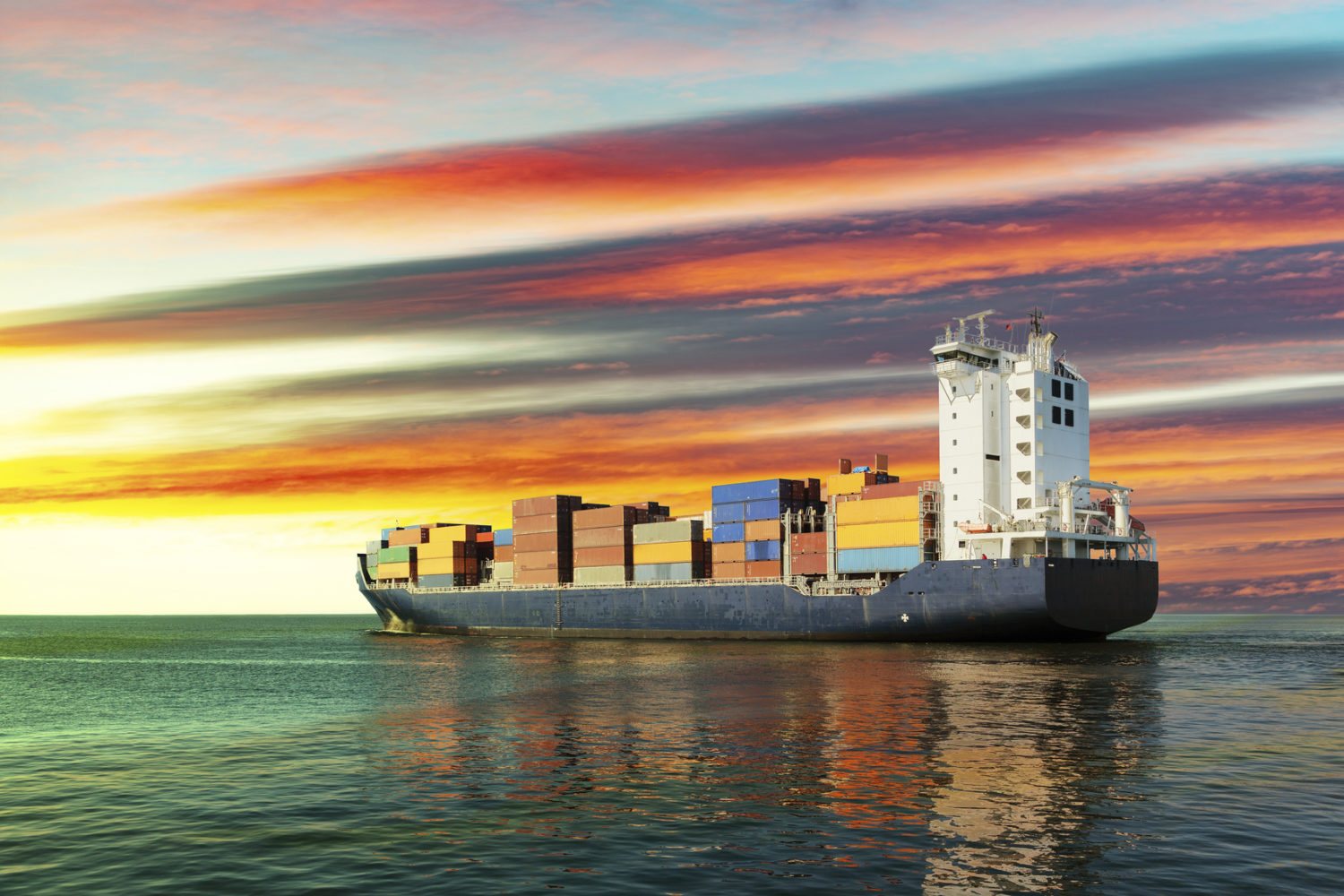
Cargo insurance is a must for protecting your shipments
We’re seem to be hearing about container collapses and losses on vessels crossing the pacific ocean during rough weather and delays popping up due to container shipments hitting huge spots of congestion. The World Shipping Council estimates that every year more than 1,300 containers are lost at sea, making 2020 a likely-record-setting year for container collapses and losses. Just the ONE Apus collapse by itself in December had more than 1900 containers lost in a storm that hit while the ship was en route to Los Angeles forcing it to turn back to Kobe, Japan. The Maersk Eindhoven will also make an emergency stop at Yokohama, Japan as 260 containers were lost at sea and 60 more were damaged when the engines stalled during a severe ocean storm that struck while the ship tried to recover last week. This is the fourth massive cargo loss on an oceangoing vessel in the last six months in the transpacific trade lane between Asia and California. After a year of logistics news that was both dramatic in scope and impact, the freight market has been left in disarray. This year’s winter weather is interrupting shipping across the US in an odd way, enforcing the idea of the current shipping environment’s volatility. While shipper requests for capacity (OTVI) fell over 6%, the request rejection rate (OTRI) increased to a near-peak point this February. This was brought on by not only the nor-easter hitting the NE, but the storms covering the South, where such occurrences are outside of the norm. The volume of capacity dropped drastically because it just wasn’t there. Now as companies rush to replenish inventory and stock, the freight market fights to find some semblance of stability. If you’re looking for ways to mitigate potential losses and issues that stem from container collapses and ocean vessel trouble and winter delays, your Nelson representative is ready to take a look at your logistics plan and work to help you fill in the gaps in service. Don’t let your cargo become a casualty. Contact your Nelson International representative today!
