


As suppliers search for new markets to source goods during the US China tariff negotiations, Vietnam is a natural fit. However, there is an increase in the worry that some goods are at risk of bearing a “Made in Vietnam” label even though they’ve actually been manufactured in China to avoid tariffs. Because the US is Vietnam’s largest export market, suppliers are working closely together with Vietnam Customs to ensure proper labels and documentation of the country of origin is accurately representing the cargo being exported. Due to the close proximity of the nations, cargo can be shipped from China into Vietnam and then wrongly marked to avoid duties and tariffs when exported to the United States. Vietnam’s Customs authorities state that the most vulnerable cargo comes in the form of electronics and furniture. Both nations are watching for commodities that have had a significant reduction in export from China but a boom export coming from Vietnam as a telltale sign that these products may be mislabeled. After last month, when Vietnamese Customs officials seized $4 billion in aluminum from China that was labeled “Made in Vietnam” and bound for the US, the nation has reinforced its customs procedures to crack down on the vacuum created by the trade war. Of course, the trade war didn’t invent fraud where imported goods are concerned; it’s unfortunately an issue we logistics professionals have to be aware of and take very seriously. While the issues unfolding in Vietnam are forefront in the news, they are not the only nation who is at risk for fraudulent shipping information. There’s no single nation at the helm of this issue and we encourage all importers to be vigilant. This type of fraud impacts the entire supply chain regardless of where the goods are going in the world. It is the responsibility of all parties involved to protect the integrity of our industry with every shipment.
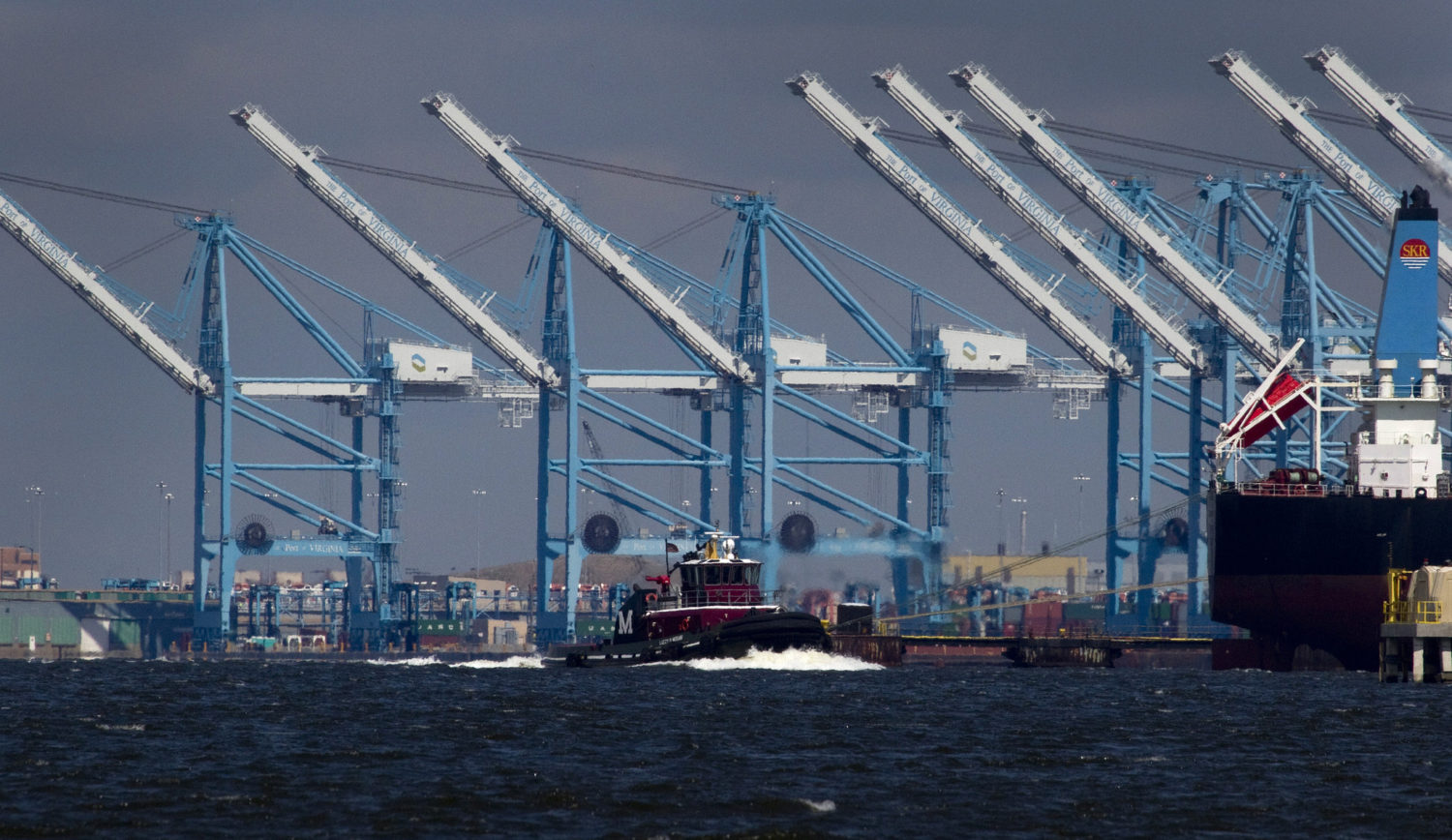
Port of Norfolk eeks out a decent 2020
It was a challenging year. It almost feels like bad luck to discuss how difficult 2020 was on each and every one of us around the world. Personal lives were torn apart; professional lives were in upheaval; the supply chain bent and bent until it almost broke (some may say it did break, but we’re trying to stay positive). Even now securely ensconced in 2021, it feels like we’re looking back on straight chaos. However, if we follow the numbers, especially in logistics, 2020 wasn’t terrible. Yes, reliability was destroyed. Yes, equipment is basically non-existent and some carriers are refusing bookings because they need the empties to get more cargo from Asia. And yes, air travel is in the dumpster and cargo space is crippled with the loss of bellies on passenger craft. All that is old news. At the end of the year, we had a lot of wild numbers regarding the trade that’s been zooming across our borders since 2019. While the Port of Norfolk didn’t put up a banner year like they did the last decade, they only missed the 2019 record by 145,000 containers. Considering they’re moving millions a month? That’s a pretty good end to a pretty tough year. The port released their yearly overview and has given us a month-by-month highlight, should anyone want to go back and remember that in April cargo volumes fall nearly 39,000 TEUs in a single month, the result of an increasing number of blank sailings. Still, 2020 ended with the most productive quarter in its history having handled more than 814,000 TEUs in October, November, and December (combined), growth of more than 13 percent when compared with the same quarter in 2019. The record volumes were processed without issue at the port’s two, newly expanded container terminals. It’s too early to spot the calamities coming down the pipeline for this year, but we have faith our business and port will be supported by our hard work keeping your cargo running smoothly.

Container congestion trouble on U.S. west coast
We spend a lot of time writing about the ocean freight numbers at the Port of Norfolk, but this story is decidedly west coast specific. As record imports leave Asia to reach the Ports of Los Angeles and Long Beach, rates have exploded in the container spot market. Equipment imbalances are disrupting the supply of exports leaving the same ports and bottlenecks are occurring at rail heads through out the west and midwestern cities. It’s a booming trade, but appears to be running out of track. As we move into 2021, we still aren’t sure what the new administration will mean for trade and the relationship with China. There haven’t been any official announcements but many are concerned about the 301 duties and other issues like intellectual property and currency manipulation. We do know that the container and ocean market won’t get better during the first quarter. Considering we’re looking at the Chinese New Year coming up with a looming shut down next month, it could be just the break we need to get our ports back on track and schedules reset. The problem with that is the record amount of cargo that will be waiting at Asian ports that are shut down with the holidays. Empty containers are already scarce and having them full at the port and not in transportation can hamper later services as the scarcity ramps up. The Port of Norfolk is one of the few ports that hasn’t had a banner year as cargo tied up in the northeast and west coast, even the southern ports were up. But our well kept secret is showing a 10% year over year decrease for 2020 that we haven’t seen in over a decade. True, all record growth periods come to slow down, and the pandemic roughed everyone up a good bit. The positive in this situation is that there is a local way to get your ocean cargo moving and Nelson International is well placed to help you do it.
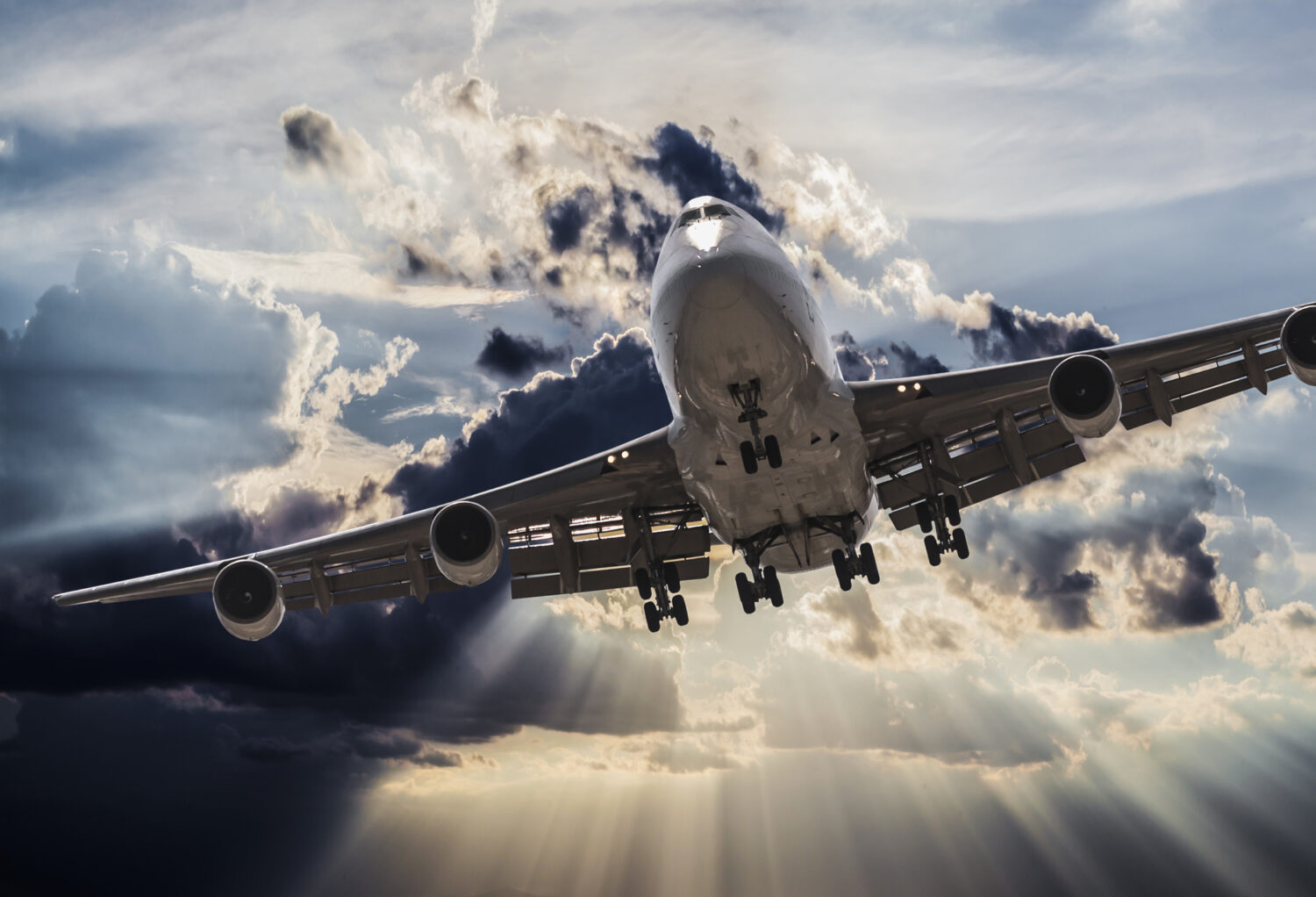
Airfreight takes center stage
If the logistics industry works as a team, air freight is definitely the quarterback. There’s always a glorious story about air freight, a flashier, faster, more expensive alternative to the ocean freight wide receiver and trucking defensive tackle. Just one year ago, the topic of air freight was being discussed in regards to moving habitat cargo into space to prepare for an eventual logistics push to holding cargo on Mars. It was a stretch of the imagination to apply the cargo flights to an interplanetary model of advancement. As we face the impending world at the end of 2020, air freight is still a hot topic, but the terrestrial needs of a planet held in the grip of a pandemic supersede the milestone stories of lunar landers and human space houses. Airfreight is going to save lives in 2021, even more than it already does. As vaccine shipments come from manufacturers their transport is the key to fighting a disease that saw more people dead yesterday than America lost on 9/11. Flying doses around the world require a keen plan, a broad network of professionals working together, and the understanding of everyone who has other cargo that might get bumped due to space needed for vaccines. IATA reported that providing a single dose to 7.8 billion people would fill 8,000 747 cargo aircraft, but the actual figure will depend on many assumptions that are yet to be determined. On top of those vaccines there are still copious medical supplies and personal protective equipment to be shipped both apart from and in conjunction with the vaccines. Face masks, coverings, cleaning products, medical equipment, and syringes, cotton, wipes etc., will need to go alongside and despite the doses. It’s times like these that you need a dedicated forwarder working for you. Our international connections and myriad carrier contracts are all available to you to make sure you get the best rates in the air freight space that’s available. You have a professional to guide you and advocate for your freight. Call your Nelson International representative today!
Do you have cargo insurance?
On December 7th, NYK ship management reported that the 14,000TEU containership ONE Apus suffered a container collapse on a voyage from Yantian, China to Long Beach, California. Approximately 1,600 nautical miles northwest of Hawaii the vessel encountered a violent storm cell with gale-force winds, causing the ship to roll severely. Reports from the ship, which has diverted off course but is yet to make it to port, state that around 1,900 containers, including 40 dangerous goods containers were involved with the collapse but the damages are yet to be fully assessed. According to the rule of General Average: The equitable practice whereby all the merchants whose cargo landed safely would be called on to contribute a portion, based upon a share or percentage, to the merchant or merchants whose goods had been tossed overboard to avert imminent peril. Courtesy of Wikipedia Accidents happen and there are many things that can go wrong during an ocean voyage and that’s why we at Nelson International strongly encourage our clients to discuss cargo insurance with us. Are you covered in case of an accident, emergency, act of God or force majeure? Do you have contingencies for delays, diversions or rolled bookings? Talk to us. Let us know the full scope of your supply chain and see the solutions we have that can mitigate your exposure during accidents or major market disruptions like the congestion plaguing the U.S. west coast. It’s our privilege to be your beacon of information to protect your business as much as we can. We can’t predict the future but we can take steps to insulate our clients from the accidents and happenings that can devastate a shipper.

What a change in administration looks like for 2021
The holiday season is the perfect time of year for predictions on the coming New Year. As we sip our end of the year holiday drinks and muse on how much better the next year will be after we survived this one, a huge topic of the coming year will be the difference in a Biden administration from the previous four years. Already, comments on the continuation of the tariffs on imports from China has provoked a response from President-Elect Biden, confirming they’d continue on unabated for the near term, though no announcements on the administration’s Commerce Secretary or Trade representative have been made to gauge their governing style. The tariffs might not immediately be repealed, but his comments ensure that any trade remedies directed at China would be streamlined with our allies in the European Union, Asia and directed to a single coherent strategy that suits the trade needs of not only the U.S. but takes into account the needs of a global community. Further remarks show Biden isn’t champing at the bit to upend the administration, but rather hopes to build a domestic panel to improve and support U.S. manufacturing and trade that will improve our market standing and help reinvigorate our national manufacturing abilities. After the reviews, it’s anybody’s guess as to which tariffs, laws and behaviors will suit their administrative trade goals and which should be discarded. The main goal as stated by the President-Elect are to adopt a standardized approach that gets U.S. allies on to the same page, or as close to the same page as possible. The repairing of our international alliances and friendships appear to be taking precedence over any individual actions against China. As more announcements take place, we’ll keep everyone informed as to what can be expected and what preparations may need to happen before the start of the new year.

Congestion still cripples the coasts
We’ve noted previously the issues happening on the U.S. West Coast as imports soar and containers flood into ports, ready to hit store shelves in time for the holiday season. After a wobbly start to the year as Chinese Lunar New Year shut down the factories and the coronavirus pandemic kept everyone in a global limbo, carriers were blanking sailings left and right to avoid a slump in the market, expecting, erroneously, that shipping would have the bottom drop out. The opposite occurred as people had no entertainment, more money, and more time to online shop during the spring, summer, fall, and probably winter now if behavior holds. No, we don’t expect the congestion and equipment issues to shore up before February as that’s the next Lunar New Year. There are options to route freight differently into the U.S. using smaller ports like Norfolk, Houston, or Seattle to avoid the hot spots of container congestion. With strong relationships and carrier connections for our customers, Nelson International can work with your suppliers to adjust the shipping details to avoid the most problematic areas. Equipment issues are a bigger problem in many areas as the imports are turning back empty containers without refilling them with exports to save time loading and unloading in Asia. Instead, the empties can just immediately be loaded with more imports destined to the United States shores. We heartily recommend giving us the most advanced notice you can so we have time to source and procure the equipment you need. There’s no substitute for preparation and prompt loading times as waiting and detention are brutal in this situation. When we’re facing such wildly turbulent times in the ocean freight market, you need a strong industry partnership working on your behalf. Nelson International has the experience, background, and training to help you weather the perfect storm hitting our shores. You don’t have to navigate alone, reach out to your Nelson representative, and see the solution we can build to suit you!

E-commerce boom bigger than expected
Analysts expected that it would take until 2030 before online shopping surpassed the brick-and-mortar retail stores but a worldwide pandemic hit fast forward in 2020. Carriers expect an increase of 35-50% over last year as more consumers turn to e-commerce for the convenience it offers both in timing and in facing crowds shopping during a pandemic. Once the balance of buying shifts to online sales it’s unlikely to rebalance back to favor the stores standing locally. Though the manner in which purchases will occur is favoring e-commerce, the whole of spending this holiday season isn’t expected to be much higher on average. Consumers are concerned about the upcoming election, Brexit, and pandemic support and so aren’t likely to overspend this year, but even without deeper pockets, the shipments will swell. As stores continue to restock and retailers front load cargo to manage inventory through the first of the year and past the Chinese Lunar New Year shutdowns, imports will steadily boom until well into 2010. The online sales spike is far from a U.S. specific rise. The Royal Mail has added 33,000 holiday workers to handle the shipments over the season to keep up with demand. With second waves of COVID-19 starting to spike alongside flu season overseas, there are logistical blocks to shopping in stores including curfews, square-foot capacity per shopper allowed in stores at a given time, and just reluctance to venture out when so much is available at the click of a button. The increase of e-commerce and logistics boom is a good sign for department stores struggling with the pandemic market, but it does impact the cargo shipments and inventory supplies that are also booming around the world and the more cargo rises the more capacity declines. It’s times like these that you need a dedicated forwarder working for you. Our international connections and myriad carrier contracts are all available to you to make sure you get the best rates and routings possible. You have a professional to guide you and advocate for your freight. Call your Nelson International representative today!
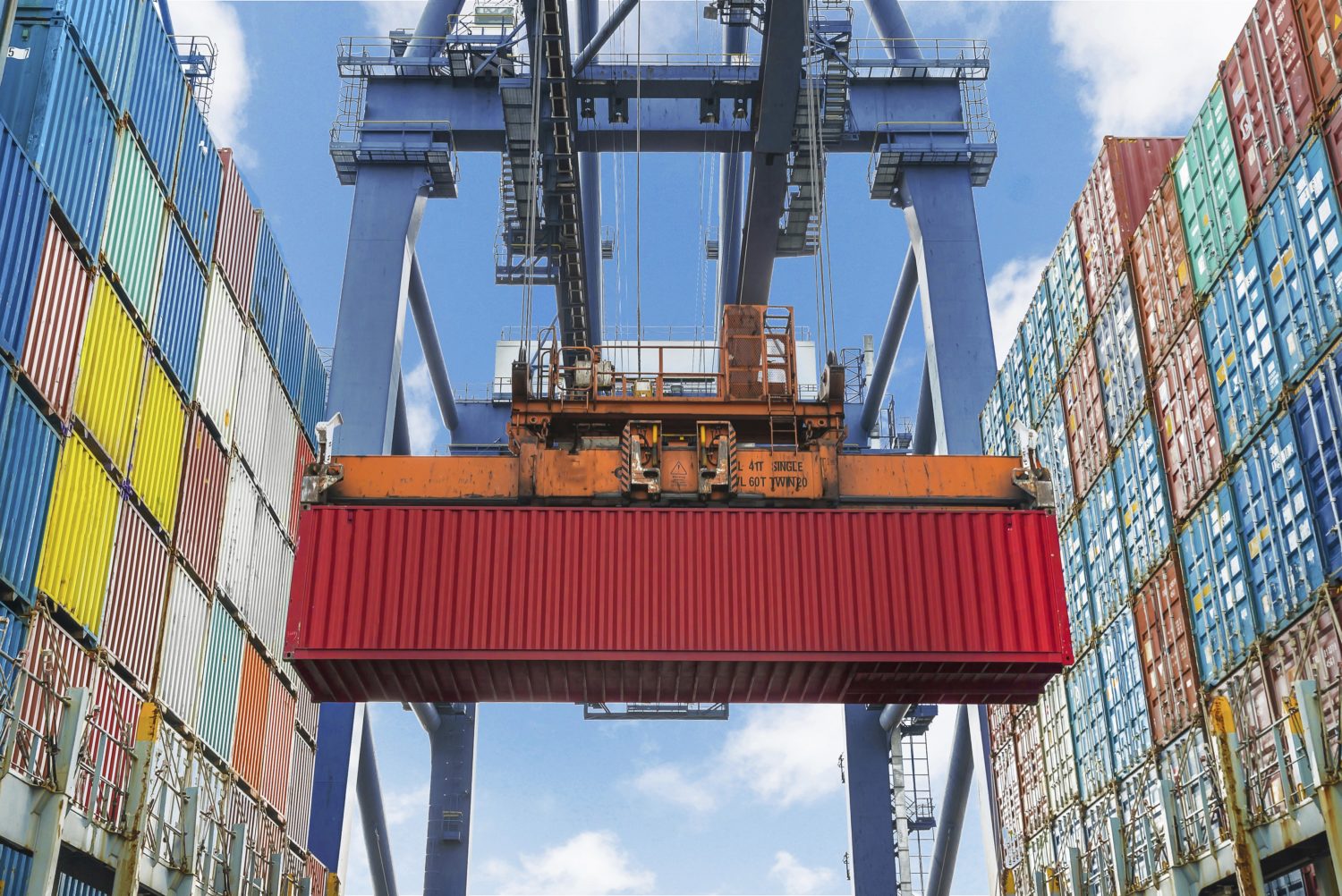
Congestion issues continue
Severe congestion and equipment shortages are erupting across the United States and being felt in Asia and Europe. As imports from Asia surge into the west coast ports of Los Angeles and Long Beach. The congestion is causing disruption across supply chains as issues with available vessel space causes containers to roll in China and miss transshipment opportunities. Even when vessel space is available, the shortage of equipment is causing delays because you can’t load cargo onto a vessel without a container. Equipment imbalances started early in the year as emergency shipments took precedent and medical supplies started deploying around the world due to the COVID-19 pandemic. Stores sold out of staple items, most notably toilet paper and cleaning products, and inventory was slow to replenish because supplies had dwindled to almost nothing. Shipping times were altered to allow more important cargo to move with preference and more casual shopping went later. Once retailers were able to replenish, orders soared and imports followed with record numbers debuting at almost all US ports. South Carolina, Norfolk, NY/NJ and others had banner months during a time everyone expected ocean cargo to fall apart or shift into a recession as airplanes sat grounded with little passenger traffic allowed. The best way to manage these capacity and rolling issues is to be flexible with your cargo. Let your Nelson representative know what equipment you need as soon as possible and discuss alternate routing or schedules that might better suit your cargo. Ask about repositioning options, same day turns and other last-minute options that might fit a shipper who doesn’t necessarily have to adhere to strict loading times. We don’t hide the fact this is going to be a tight and difficult time until November but Nelson International is here to help you manage your cargo with as little disruption as possible.
Equipment shortages complicate peak season
Containers are a hot commodity for shippers in Asia. With imports near historic records in the US and more often containers from Asia are entering our country to meet the skyrocketing demand (and rates, honestly) containers are in short supply. Containers aren’t being turned around to be reloaded as quickly as before since workers are still partially on furlough and social distancing mandates in the U.S. require fewer people per warehouse. Weather issues that slow down vessel travel and make some ports inaccessible are exacerbating the trouble the US has getting containers back to Asia. “There are a multitude of reasons [for the container shortages]: a trade imbalance from Europe and the US to Asia, bad weather, and a cargo rush ahead of the weeklong shutdown for China’s National Day holiday,” said Sundara, director of ocean freight for Asia Pacific at Scan Global Logistics. Quote from JOC.com The equipment imbalance won’t go away anytime soon, but it can’t last forever. Demand is still climbing as we head into peak season and stores begin stocking up for Christmas and the holiday shopping season this month. Carriers will have to cut back the allotted time for containers to be out, loaded and returned so that the process can pick up speed, but that’s a long road to achieve stasis. Like any tight bottleneck, the unclogging of this situation will be slow and deliberate but steadily improving along the next year. One of the best things you can do if you’re concerned about equipment issues is to plan ahead. There’s no longer a too far away time to book your cargo. If you know you’re going to need it, contact your Nelson International representative to reserve your equipment before it’s too late. We’re here utilizing our extensive carrier connections to help you keep your cargo moving even in this crazy time. This advice isn’t just specific to ocean freight; air freight, truck and even rail shipments will all go much more smoothly if you can give as much notice as possible so equipment and space can be secured. It won’t hurt for securing the best rate at all, either.
