

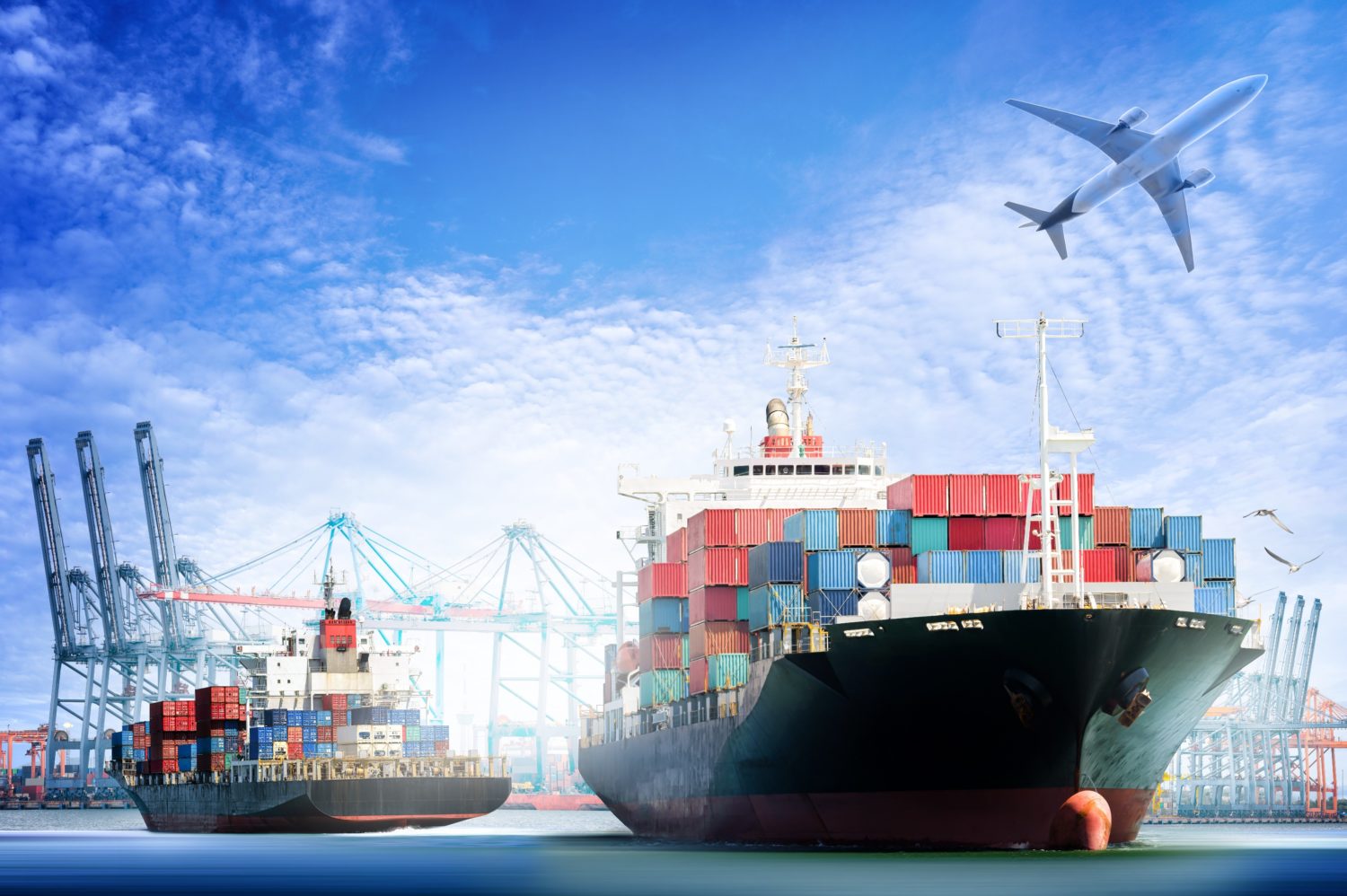
On September 15th the Port of Norfolk hosted the CMA CGM Brazil, the largest vessel to call the U.S. East Coast. Over 15,000 TEUs, the CMA CGM Brazil is part of a newer, larger crop of container ships that came out after the Panama Canal was expanded to fit larger ships. These post-Panamax vessels hold more than 15,000 TEUs and in some cases can get closer to 20,000. While the expanded number of containers means more cargo can move by sea, the loading and unloading of these behemoths can slow port operations and in the current logistics predicaments that can exacerbate equipment concerns. Fewer smaller vessels are faster to move in and out and they’ll get equipment on and off faster, keeping containers in the market faster than if they have to be unloaded after 13,000 others. Because equipment has become scarce in the wake of the COVID-19 pandemic, blanked sailings have left equipment sitting when it should be moving to destination ports. In many ways the initial idea behind these monster ships was to provide the distance trip on a post-Panamax and then the final port delivery by a smaller vessel that can traverse faster and empty quicker. Interestingly the idea is the same as the plan for driverless trucks on freeways across America. the trucks would be driverless on the interstate system, then self park outside of cities where drivers would take over and go through the more dangerous cities and delivery areas. Drivers could stay closer to home and larger vessels can be served by ports that are accustomed to service such huge deliveries. The Port of Norfolk is uniquely situated and enhanced for these larger ships as the bulk of the infrastructure required was finished in 2019 giving the extra depth required for these ships. If you’re moving ocean cargo and would like to look at the routing options, travel times and sister ports that may make your shipment arrive sooner, reach out to your Nelson International representative today!
Hurricane readiness with Nelson International
With the seasonal hurricane forecast coming in hot and heavy many suppliers and shippers are working to mitigate closures that can happen if a strong storm threatens the U.S. coastline. Strong storms might be a misnomer, though as many tropical storms can cause flooding even if the winds aren’t over 75mph. When storms roll in, we need to be able to depend on the professional set up of a strong logistics provider to give you options to keep your cargo both safe and moving through these issues. Just because this season has so far been set on the Gulf of Mexico doesn’t mean we don’t have to be prepared for East Coast issues coming in the later summer. Flooding and high winds are a natural part of storm season but they’re by far the only part; traffic congestion, port damage, trucking capacity, and loading delays are all issues we face during a storm. Cargo re-routes to unaffected ports can become necessary if the intended port isn’t operational because a storm is hit or is coming. Though we do get advance notice of a hurricane path, it’s likely not until the storm is only a few days out that we get a clear enough picture of what to expect. That’s when having a professional logistics team is invaluable. Nelson knows and understands which ports are the best alternatives to utilize during a crisis. The destination of your cargo hasn’t changed so carting a container across the country isn’t an option as different ports correspond to different trade lanes and prices vary wildly, especially nowadays due to the pandemic issues we face. By having carrier connections and relationships, we can provide many options to avoid delays and move through ports that are ready to take the overflow of impacted areas. If a storm hits Norfolk, we can move to Charleston, Jacksonville, or even Savannah to move southbound cargo. If you’re concerned that your cargo is in a port that might get hit, even before we know, we suggest reaching out to your Nelson International representative to discuss the timeline of your cargo, optional ports for backup, and inland routing to avoid traffic into and out of impacted areas. Being proactive is the most important part of the preparation for hurricane season and early reactions are key. Contact us today to put a plan in place for your seasonal cargo!
Congestion, spot rates and more ocean price increases.
Intermodal congestion in Southern California climbed to unprecedented levels in recent days as equipment shortages, workforce reductions, and with more demand for ocean imports from Asia via the U.S. West Coast causes another cargo delay on top of this. In the last week, UP added a $500 and a $1500 surcharge effective August 17th. As volumes increase 38% for UP and 21.8% for BNSF since April, the industry faces increasing issues from the forecasted reaction to the COVID-19 shutdown. Truck spot rates have risen $1.00 – $1.40 per mile from California marking the first time in history that truck rates are lower than rail due to the fast-rising trans-Pacific ocean spot rates. We in the logistics industry face continually climbing prices as demand keeps outpacing all supply on the market because shoppers haven’t taken a break from buying. Some of that supply was removed to soak up excess capacity for an expected drop in the demand that never happened. Smaller workforces at U.S. warehouses and distributors plague supply chains with staff being furloughed or laid off to meet the expected but non-existent drop in demand and reinforce socially distanced zones. Fewer people now go to stores to shop and are choosing online shopping so there is no relief for excess inventory, and nowhere for new cargo to go so it ends up sitting in containers waiting for unloading, sitting on a chassis, taking euqipment out of the market. Even contract rates are being subject to surcharges by way of graduated rate increases and equipment is scarce unless you are working with a container pool, as Nelson does. Call your Nelson International representative and find out what our professional team can provide for you during this unprecedented time.

Port congestion in China reaching record levels
The adage, anything that can go wrong, will go wrong is working overtime when it comes to port congestion in China. Because of huge demand, bad weather and COVID-19 health concerns impacting the number of people working in close proximity, the ocean cargo is piling up both inbound and outbound. Ships are waiting to discharge, rates are climbing and everyone is wondering what the timeline will be and when the bottleneck will release. Increased demand for cargo out of China is challenging by way of sheer equipment and labor taken by their market. More exports means they need more containers, more chassis, more drivers, more of everything and then that enormous quantity leaves and has to travel, unload, reload and turn back in a delicate balance that can be tipped into catastrophe if demand changes. And demand has changed. The coronavirus has altered shopping and retail models, soaking up available space with essential goods. Early service cuts and blanked sailings grabbed excess capacity from the market leaving rates high, but also leaving shippers few options to move cargo out of China. Coupling the increased demand with bad weather, flooding and delays, Chinese ports are struggling to keep up with the containers that need to be discharged and containers that need to be loaded. Splash 24/7 estimates that 7% of the global fleet is stuck in ports and 3.9% are unable to discharge cargo. Hygiene protocols for workers has cut the available labor and staff at ports because people can’t be loaded in closely and fewer workers makes for slower progress. The best way to mitigate delays caused by port congestion is to have all cargo planned and cleared on time so there are no further delays. We can investigate alternative ports or inland trucking options if you need to bypass the crowded areas. Nelson International has options for all cargo situations and our solutions can save you time and money. If you’re looking for a new supply chain plan, reach out to your representative today.
Summer tariff updates
There’s a lot of news circulating about upcoming new tariffs, expiring tariffs and possible tariffs that might impact U.S. importers, especially if you’re bringing in cargo from the E.U. or China. Tariffs on imports from the E.U. stem from both the Civil Aviation Dispute and upcoming Digital Services Taxes, which have so far only been levied toward France. Chinese imports under Section 301 duties are currently being reviewed to determine which exclusions will be extended and which will expire in August. We’ve compiled a handy overview of what we’re looking at on the tariff front this season. The Civil Aviation Dispute is an ongoing battle between the U.S. and E.U. relating to each nation providing unfair subsidies to Boeing and Airbus, respectively. In a simplistic view, both nations gave unfair subsidies and both nations are trying to recieve approval from the World Trade Organization to levy duties against the other to recoup losses on those subsidies. While only the U.S. has recieved approval, the WTO decision on the U.S. / Boeing tariffs will be coming, though delayed due to coronavirus closures. Currently the US has implemented 25% tariffs on imports but the USTR is reviewing the current products, considering adding more and looking into initially reviewed products that weren’t taxed. Comments on these tariffs can be made at the online portal. On top of the issues with the Civil Aviation Dispute, the U.S. has imposed at 25% tariff on imports from France as a retaliation for the 3% Digital Services Tax they placed on technology companies that aren’t based in France but serve residents of France, including Google, Amazon, and Facebook. While France isn’t the only nation to suggest these tariffs, they’re the only one so far that’s implemented and received the retaliated higher designation by the USTR. The investigation by the USTR suggested up to a 100% tax on a list of products worth $2.4 billion but only $1.3 billion was hit with wine and cheeses left off the initial list. Cosmetics, soap, and handbags weren’t so lucky, but considering the implementation is postponed until January 1, 2021 both parties will have a 180 negotiation period to work this out. On July 9th, the USTR let tariffs on almost 100 products listed on the Chinese Section 301 list expire with only 12 products receiving an extension. More cargo is due to see exclusions expire in August, including every exclusion on the List 3 301 duties if no extension is applied. If you’re concerned that your cargo could be facing tariff issues and you’d like to discuss ways you can comment to the USTR or need to investigate some fresh sourcing ideas in your supply chain, reach out to your Nelson International representative to take advantage of our shipping solutions!
Ports on track for a record before COVID-19
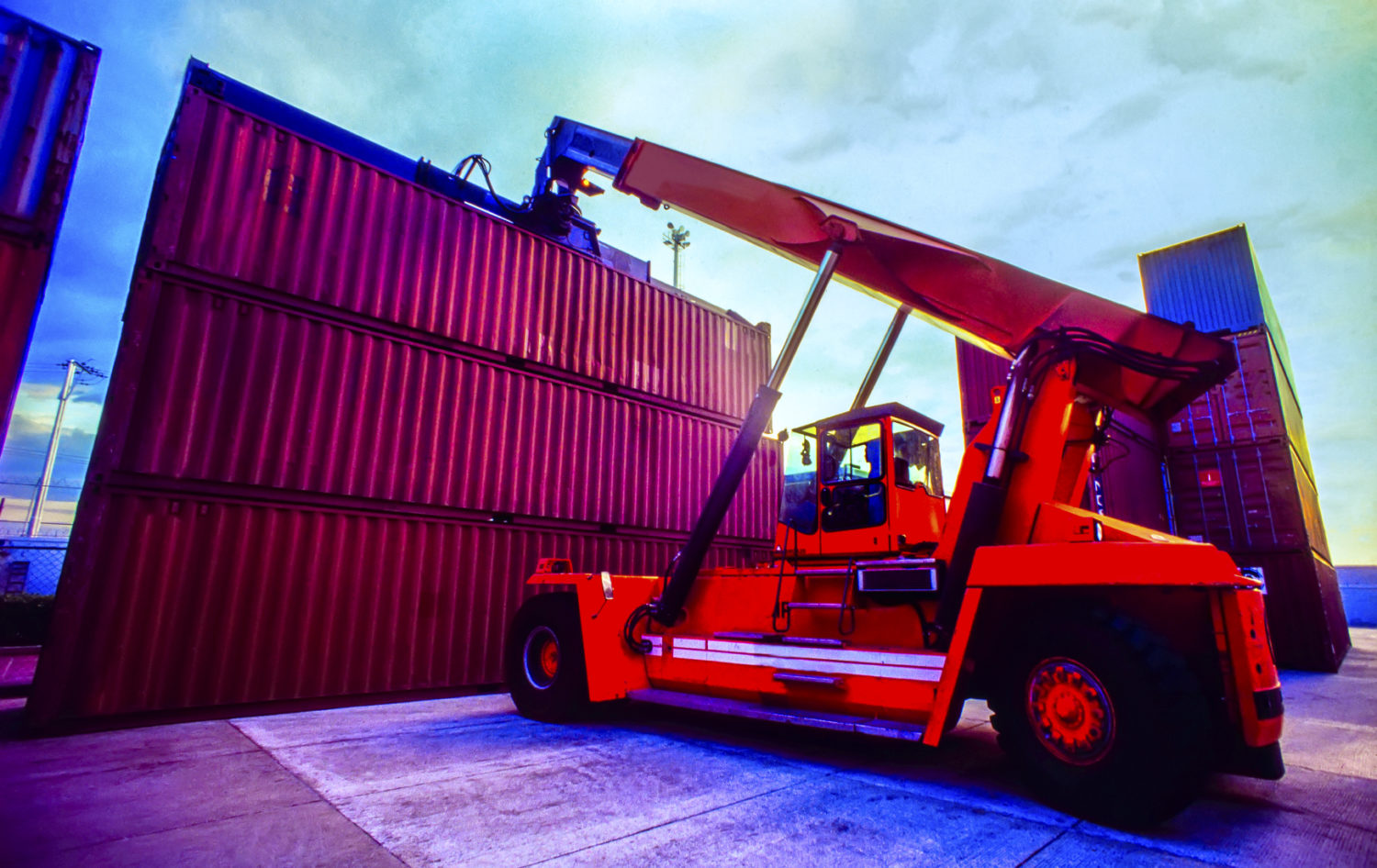
The Port of Norfolk experienced its largest single-month drop in cargo amounts during May of 2020 as the coronavirus shut down and recovery efforts get underway. The return of cargo is expected to increase after the third quarter as many analysts predict the blanked sailings indicate a lower amount of demand for ocean freight. The recovery should bring about a return to normal in 2021 which would bode well for the Port of Norfolk as many ports were showing record cargo levels before Chinese Lunar New Year started and was followed by COVID-19. May quantities were down 59,000 TEUs from the same month in 2019, which was a year full of record numbers for Norfolk. The following information is from Wavy.com May Cargo Snapshot Total TEUs – 201,837, down, 22.6% Loaded Export TEUs – 72,160, down 18.1% Loaded Import TEUs – 87,669 down, 26.7% Total Containers – 112,913, down, 22.7% According to South Carolina Port Authority President and CEO Jim Newsome, “If you look through February of our fiscal year, which was eight months, we were 25,000 containers ahead of our plan, a record pace. We were headed easily to $100 million cash flow. And then China really never came back from Chinese New Year for six weeks and then the Western world shut down due to the pandemic. “ This is a regularly updated situation that we’ll be keeping an eye on through September to monitor where the ports are through the recovery process. If you need cargo solutions for ocean or air freight during this time, reach out your Nelson International representative for more information and a quote.
Blanked sailings follow ocean demand
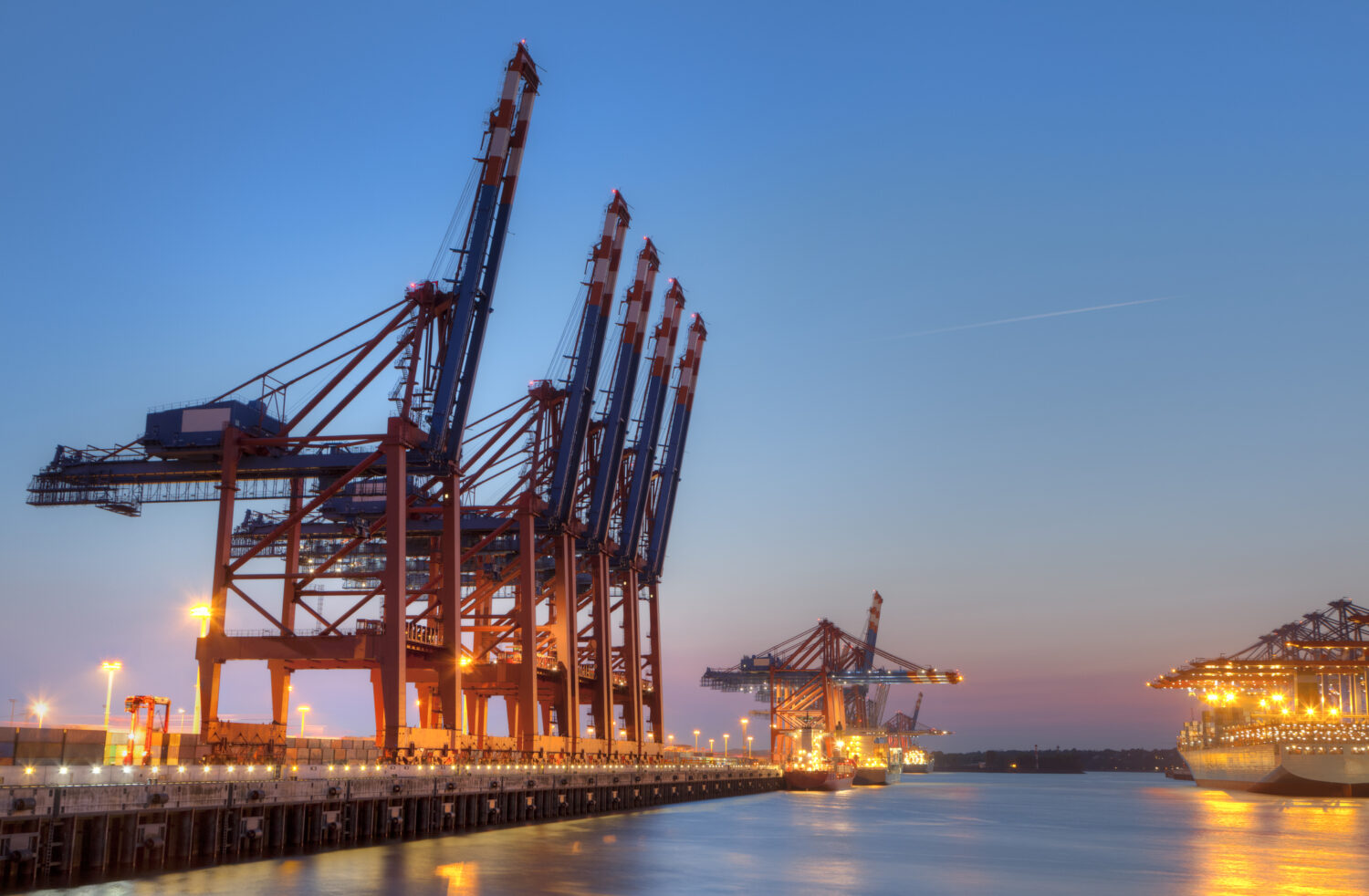
Multiple carriers announced more than 75 blanked sailings for the third quarter of 2020, causing shippers concern about how their cargo will be routed going forward. Blanked sailings are intentionally skipped ports in a ship’s itinerary that carriers use to adjust capacity to meet the current cargo demands. The reduction in service points ensures that we will need to be creative and efficient while planning cargo and that rates will remain steady because service options are reduced and capacity reigned in to make the supply equal a reduced demand. Nelson International maintains contracts with carriers in many alliances to have optional routes for situations like this. If your cargo is headed inland we can find other nearby options like moving from Santos, Brazil to Rio de Janiero, or substituting Norfolk, VA for NY/NY on the U.S. East Coast. However, if the port is the final destination, other carriers may have to be secured to confirm the ship will get to the appropriate port. Nelson is working diligently to minimize or avoid altogether service interruptions or delays by engaging with our network of strategic partners to find the most cost-effective solutions to the blanked ports. We encourage you to reach out to your Nelson International representative to discuss options as soon as you can to have time to plan for disruptions.

East coast port recovery on the horizon
Blanked and canceled sailings have left ports around the world empty of vessels and loaded with cargo awaiting transportation since the Chinese Lunar New Year shutdown was exacerbated by the COVID-19 global pandemic. The issues that arose from dealing with such a monumental shift in supply chains have the logistics community pondering changes that are coming as we get back to normal. While experts still expect numbers at east coast ports to be down around 15% for May and June, fewer blanked sailings coming this summer are cause for hope. March and April’s numbers were around 3% down, year over year and everyone expects May and June numbers to be close to 15% below 2019 levels, but the blanked and canceled sailings that have plagued ports are starting to slow down and stop in some cases. This is a good sign that once the quarantine and isolation protocols are lifted that we’ll see numbers start to climb to pre-coronavirus levels. East coast ports and especially those in the southeast and on the gulf should expect the return to happen even faster as manufacturing comes back to the United States in some forms. It’s unexpected that all manufacturing will return, though when it does it’s easy to expect it will be in the southeast and gulf states because land and labor are far less expensive than in the heavily populated areas – a situation which has seen the population in the south grow steadily in recent years. There may not be a significant manufacturing return in the U.S. but the factories won’t remain in China completely as more move to other countries in Southeast Asia where the virus wasn’t as detrimental. As companies moved factories out of China and into Vietnam, for instance, they’ll hardly be eager to move back once they’re settled. This will be good for the east coast ports as traversing the Suez Canal is a popular option for those looking to avoid the U.S. west coast. The recovery will not be easy or fast, but it will come as more countries start to ramp up shipments and air freight cargo gets back online. With air capacity at a premium, the unclogging of the bottleneck in ocean freight will facilitate more shipments to move back and forth. Stopping a machine that is the size of the global logistics supply chain may have happened in a short period of time, but getting her back on her feet will take time.
Port of Virginia temporarily closes PMT
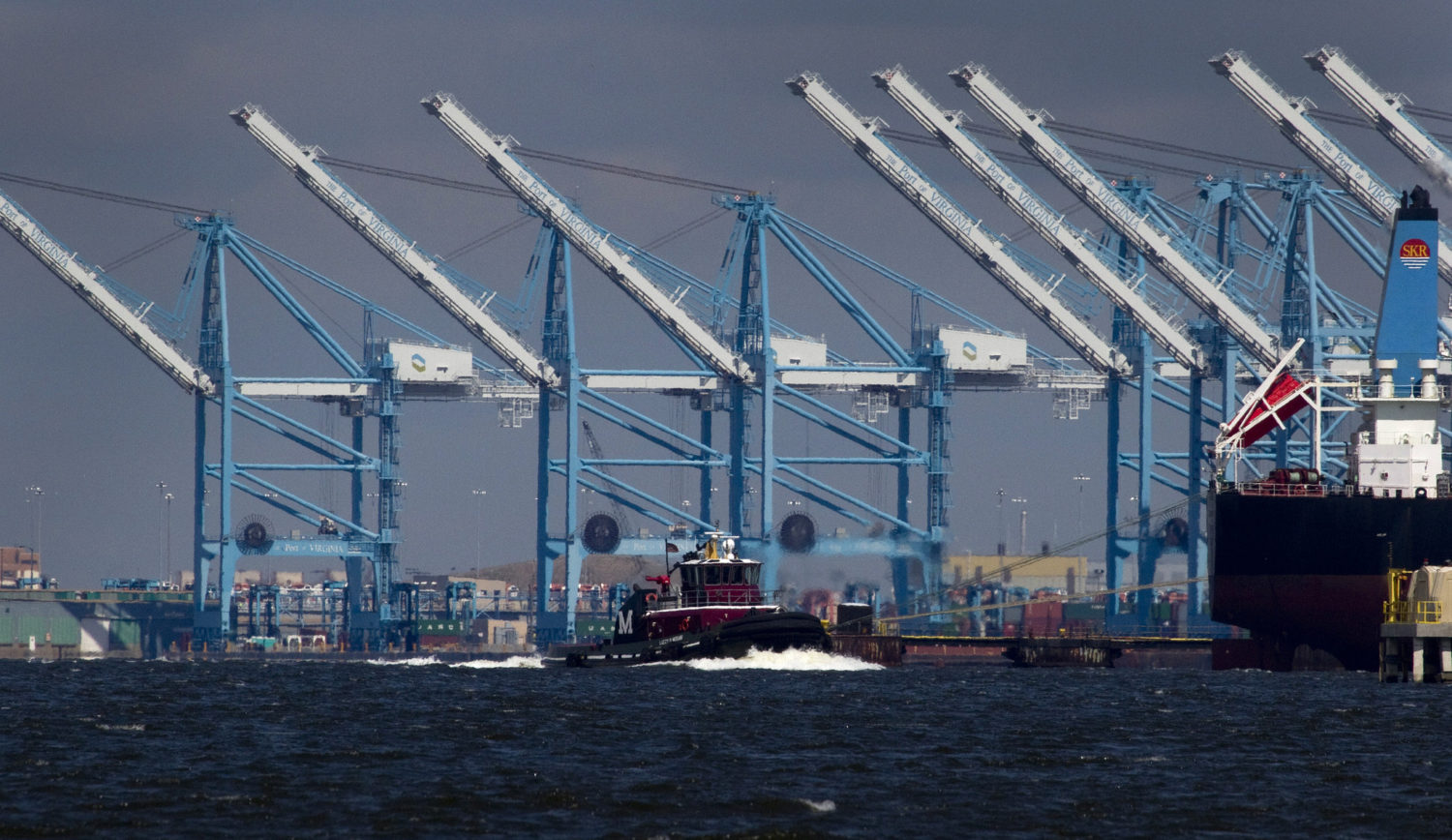
With coronavirus slowing down import volumes, the Port of Virginia has temporarily stopped container operations at the Portsmouth Marine Terminal as of May 4th. As this is an older facility, there isn’t a dramatic need for its operation since most of the construction is complete on the port’s expansion project. The Portsmouth Marine Terminal will now temporarily hold three Norweigan Cruise Line ships; the Bliss, Encore, and Spirit. Now that the expansion project is finishing up, there is no need to maintain operations at PMT. For three consecutive months container exports through the Port of Virginia fell. March 2020 showed a reduction in export traffic of 37% over March of 2019. PMT has been operating as an overflow terminal to handle excess cargo in the months before the coronavirus pandemic. When exports were climbing and US imports were showing record numbers every month, PMT was a vital outlet to take some of the burdens. However, in a positive confluence of timing the slower traffic and construction completion in the port and the older age of PMT have allowed the Port of Virginia to shut that section down and keep container operations to the new construction sections. The shutdown has enabled PMT to accept three Norwegian cruise ships that had been rotating in and out of ports in Florida, where they’ve been operating with skeleton crews until the pandemic subsides and the cruise industry can get back on its feet. Crew members are required to remain on the ship with any exceptions made at the discretion of the US Customs and Border Patrol. “This rule will be enforced by officers from U.S. Customs and Border Protection. Any requests for an exception must be made to USCBP and will be considered on a case-by-case basis in full consultation with the CDC.”

CBP offers 90 day duty postponement.
Last night, the White House issued an Executive Order regarding the postponement of duties to alleviate some of the burden businesses are feeling from the COVID-19 pandemic. CBP followed up with a CSMS message to clarify which goods would be eligible for postponement and how to qualify. Cargo subjected to antidumping, countervailing, and additional duties via trade remedies (Sections 201, 232, and 301) are not eligible for the 90 day postponement. Duties that have already been paid are not eligible for reimbursement of the duties and cargo that arrives on a single entry with goods subject to ADD/CVD or the trade remedies listed above; however if applicable goods are included a separate entry can be made for those goods, apart from the ineligible cargo to qualify. The postponement covers entries made in March and April of 2020 which have not yet been paid, including March entries to be paid in April’s Periodic Monthly Statement (PMS) and any eligible entries between now and April 30th which are to be paid by single check, daily statement or Periodic Monthly Statement in May. Importers must be experiencing significant financial hardship to qualify for the postponement, which CBP defines as “An importer will be considered to have a significant financial hardship if the operation of such importer is fully or partially suspended during March 2020 or April 2020 due to orders from a competent governmental authority limiting commerce, travel, or group meetings due to COVID-19, and as a result of such suspension, the gross receipts of such importer for March 13-31, 2020 or April 2020 are less than 60 percent of the gross receipts for the comparable period in 2019.” If you need to change your PMS statement, be advised you have until 11:59PM Eastern time, tonight to do so.
